
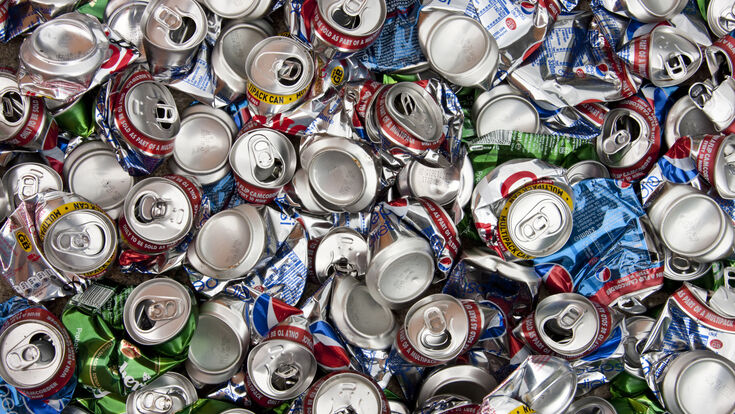
For many small companies, finding ways to cut costs and operate more sustainably is a top priority. One practical solution is incorporating recycled metals into daily operations, products, or services. Using reclaimed materials not only helps reduce environmental impact but can also provide significant savings and open up new business opportunities. This guide explores practical approaches for integrating recycled metals into small business workflows, the benefits of doing so, and actionable steps to get started.
Whether you run a fabrication shop, retail store, or service-based company, understanding the potential of recycled metals can help you make informed decisions. We’ll also highlight how how metal recycling reduces landfill waste and why this matters for businesses looking to boost their green credentials.
Why Choose Recycled Metals for Your Business?
Adopting recycled metal solutions offers several advantages for small businesses. First, it supports environmental stewardship by reducing the demand for virgin materials and lowering greenhouse gas emissions associated with mining and processing. Second, using recycled metals can be more cost-effective, as reclaimed materials often come at a lower price point than new metals. Finally, integrating sustainable practices can enhance your brand reputation and appeal to eco-conscious customers.
- Environmental Impact: Reusing metals minimizes landfill waste and conserves natural resources.
- Cost Savings: Sourcing recycled materials can lower raw material expenses.
- Market Differentiation: Companies that prioritize sustainability often stand out in competitive markets.
Practical Ways Small Businesses Can Incorporate Recycled Metals
There are numerous approaches for integrating reclaimed metals into your operations. The most suitable method depends on your industry, business model, and available resources. Here are some effective strategies:
1. Sourcing Recycled Materials for Manufacturing and Fabrication
If your company produces goods or components, consider purchasing recycled steel, aluminum, copper, or brass from reputable suppliers. Many metal distributors now offer certified recycled content, ensuring both quality and traceability. For custom fabrication, using reclaimed sheet metal, rods, or castings can reduce costs and environmental impact.
2. Utilizing Scrap for Repairs and Maintenance
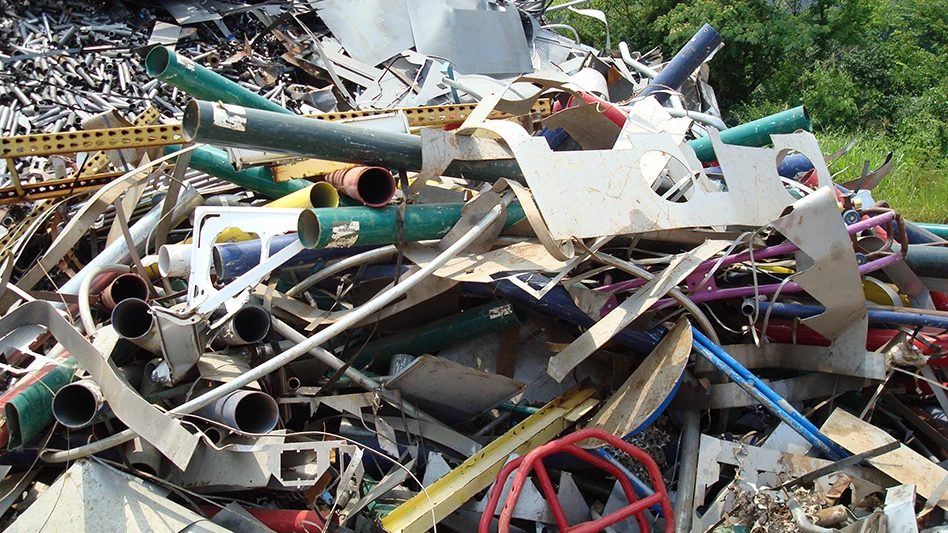
Businesses that maintain equipment, vehicles, or infrastructure can benefit from using scrap metal for repairs. For example, automotive shops may use recycled steel panels, while HVAC companies might source reclaimed copper tubing. This approach not only saves money but also supports a circular economy.
3. Creative Uses in Retail and Interior Design
Retailers and service providers can use recycled metals for displays, fixtures, signage, or decorative elements. Repurposed metal shelving, racks, or artistic installations not only look unique but also demonstrate a commitment to sustainability. This can resonate with customers who value eco-friendly business practices.
4. Partnering with Local Scrap Yards and Recyclers
Building relationships with local scrap yards or recycling centers can provide a steady supply of affordable materials. Some businesses even arrange to collect their own scrap and have it processed for reuse. This approach supports the local economy and reduces transportation emissions.
Understanding the Recycling Process and Metal Types
Not all metals are recycled in the same way. Understanding the basics of sorting, processing, and reusing different metal types helps businesses make informed choices. For a detailed overview, see this guide to metal types and their recycling process.
- Ferrous Metals: Includes steel and iron; commonly recycled and widely available.
- Non-Ferrous Metals: Such as aluminum, copper, and brass; often more valuable and sought after for recycling.
- Specialty Alloys: Some industries require specific alloys, which can also be sourced from recycled streams.
Steps to Start Using Recycled Metals in Your Business
- Assess Your Needs: Identify where metals are used in your operations and which items could be replaced with recycled alternatives.
- Find Reliable Suppliers: Research local and national vendors that offer certified recycled metals. Ask about quality standards and sourcing practices.
- Evaluate Costs and Benefits: Compare pricing, availability, and long-term savings. Factor in potential marketing advantages from promoting your sustainable practices.
- Train Your Team: Educate staff on the benefits and handling of recycled materials to ensure smooth integration.
- Promote Your Efforts: Share your sustainability initiatives with customers and partners to enhance your reputation.
Challenges and Considerations When Using Recycled Metals
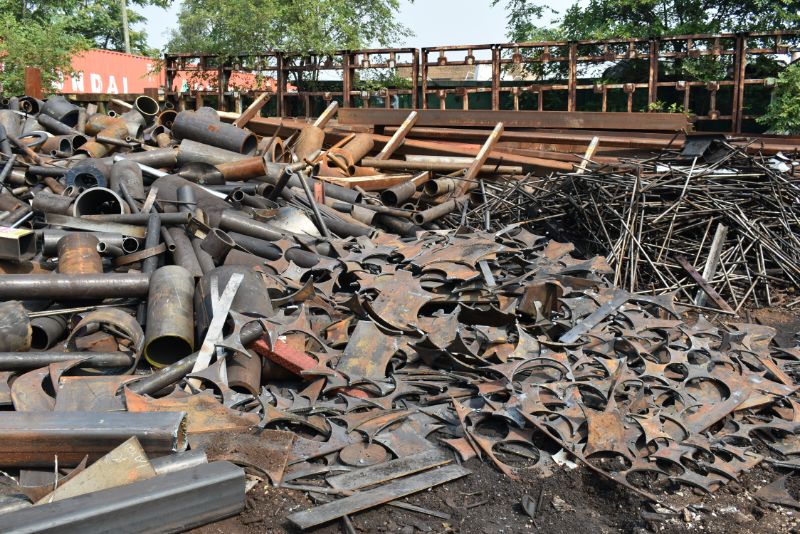
While there are clear benefits, there are also some challenges to consider. Quality control is essential, as recycled metals may vary in composition or contain impurities. It’s important to work with reputable suppliers and, when possible, request material certifications. Additionally, some applications may require virgin metals for safety or regulatory reasons, so evaluate your needs carefully.
For businesses in construction or manufacturing, understanding metal recycling in construction industry can provide further insights into industry-specific standards and best practices.
Maximizing the Benefits of Recycled Metal Integration
To get the most out of using recycled metals, consider these additional tips:
- Track Your Impact: Monitor how much recycled material you use and the resulting waste reduction.
- Engage Customers: Highlight your sustainability efforts in marketing materials and on your website.
- Collaborate with Other Businesses: Join local green business networks to share resources and knowledge.
- Stay Informed: Keep up with advances in recycling technology and changes in regulations that may affect your sourcing options.
Frequently Asked Questions
What types of businesses benefit most from using recycled metals?
Companies in manufacturing, construction, repair services, retail, and creative industries can all benefit. Any business that uses metal in products, infrastructure, or displays can find cost savings and sustainability advantages by opting for recycled sources.
Are recycled metals as strong and reliable as new metals?
In most cases, recycled metals meet the same standards as new materials, especially when sourced from reputable suppliers. However, it’s important to verify quality and request certifications, particularly for structural or safety-critical applications.
How can I ensure the recycled metals I buy are environmentally responsible?
Look for suppliers who provide documentation on sourcing and processing methods. Certifications such as ISO 14001 or other environmental standards can offer additional assurance. Building relationships with local recyclers can also improve transparency.
Conclusion
Integrating recycled metals into your small business is a practical way to reduce costs, support sustainability, and enhance your brand’s reputation. By understanding the available options, building strong supplier relationships, and promoting your efforts, you can make a positive impact on both your bottom line and the environment. For more insights on the broader recycling process, explore topics like the role of foundries in recycling and how metal is melted and purified for reuse.