
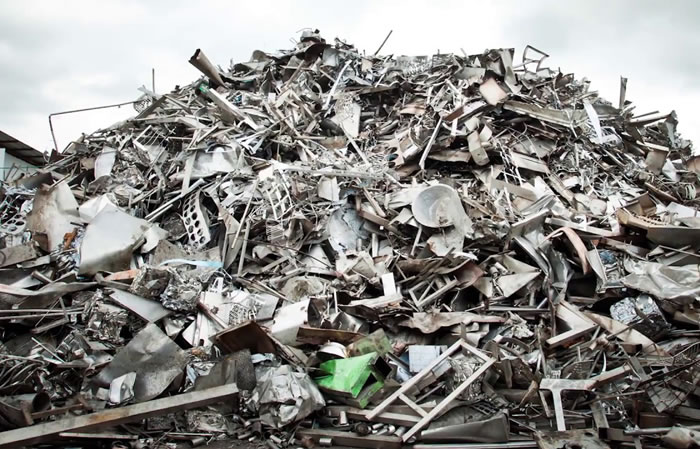
As industries strive to reduce their environmental impact and improve resource efficiency, the role of recycling in modern manufacturing has become increasingly significant. By integrating recycled materials into production processes, manufacturers can conserve natural resources, lower energy consumption, and minimize waste. Understanding how recycling supports sustainable manufacturing is essential for businesses looking to balance profitability with environmental responsibility.
Recycling is not just about managing waste—it’s a strategic approach that transforms discarded materials into valuable inputs for new products. This article explores the key ways recycling contributes to sustainability in manufacturing, the benefits for businesses and the environment, and practical steps for implementation.
For those interested in improving efficiency in metalworking, exploring how to optimize scrap chute angles can further support waste reduction and resource recovery efforts.
The Role of Recycled Materials in Modern Manufacturing
Incorporating recycled inputs into manufacturing processes is a fundamental aspect of sustainable production. Metals, plastics, glass, and paper are among the most commonly recycled materials used by manufacturers. By reprocessing scrap and post-consumer waste, companies can reduce their reliance on virgin resources, which are often finite and energy-intensive to extract.
For example, using recycled aluminum requires up to 95% less energy than producing new aluminum from bauxite ore. This dramatic reduction in energy use translates to lower greenhouse gas emissions and a smaller carbon footprint for finished products. Similarly, recycled steel and copper offer substantial environmental benefits while maintaining the quality and performance needed for industrial applications.
Environmental Benefits of Recycling in Manufacturing
One of the most compelling reasons to embrace recycling in manufacturing is its positive impact on the environment. Here are some of the key benefits:
- Resource Conservation: Recycling reduces the demand for raw materials, helping to preserve forests, minerals, and other natural assets.
- Energy Savings: Processing recycled materials generally consumes less energy than extracting and refining new resources.
- Waste Reduction: Diverting scrap and used products from landfills decreases pollution and extends the lifespan of waste management facilities.
- Lower Emissions: Reduced energy use and landfill waste result in fewer greenhouse gas emissions and less environmental contamination.
These advantages make recycling a cornerstone of any strategy aimed at achieving long-term sustainability in manufacturing.
Economic Advantages for Manufacturers
Adopting recycling practices offers more than just environmental rewards—it can also provide significant economic benefits. Manufacturers that utilize recycled materials often experience:
- Reduced Material Costs: Recycled inputs are frequently less expensive than virgin materials, especially for metals and plastics.
- Stable Supply Chains: Relying on recycled sources can buffer manufacturers against price volatility and supply disruptions in global commodity markets.
- Market Differentiation: Companies that prioritize sustainability can attract environmentally conscious customers and partners, enhancing brand reputation.
- Regulatory Compliance: Many regions offer incentives or require certain levels of recycled content in products, making recycling a practical way to meet legal obligations.
These financial incentives can help manufacturers remain competitive while contributing to a circular economy.
How Scrap Metal Recycling Drives Sustainable Production
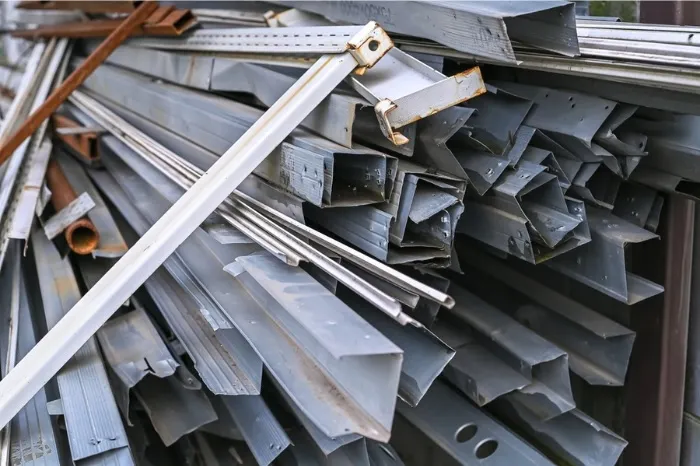
Scrap metal recycling is a prime example of how recycling supports sustainable manufacturing in practice. Metals such as steel, aluminum, copper, and brass can be recycled indefinitely without losing their essential properties. This closed-loop process not only conserves resources but also significantly reduces the energy and emissions associated with primary metal production.
For a detailed overview of which metals can be recycled and their environmental impact, refer to this comprehensive guide to recyclable metals.
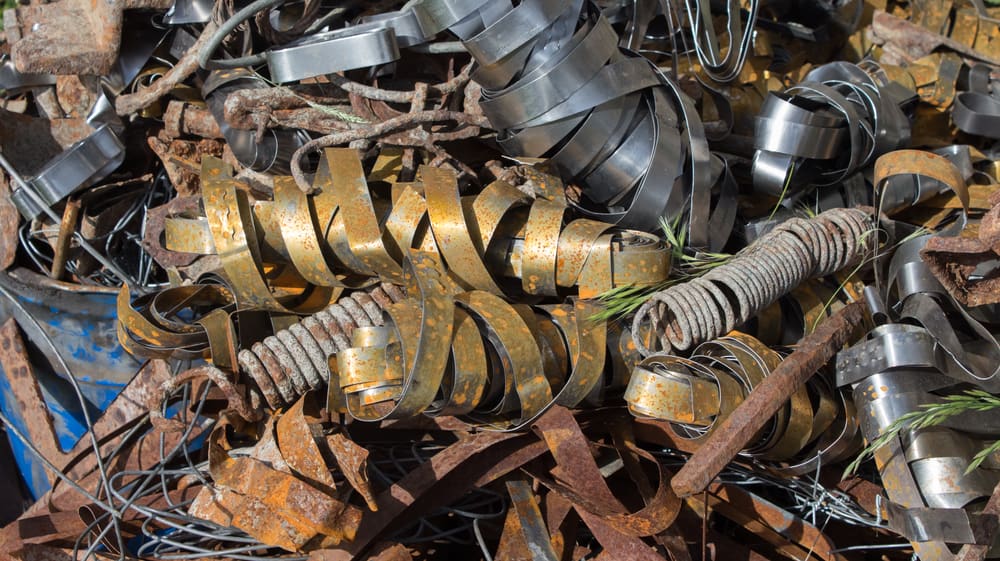
Manufacturers that establish robust scrap collection and sorting systems can recover valuable materials from production offcuts, defective parts, and end-of-life products. These recovered metals are then reintroduced into the manufacturing cycle, closing the loop and reducing overall waste.
Integrating Recycling into Manufacturing Operations
For manufacturers aiming to enhance sustainability, integrating recycling into daily operations requires a strategic approach. Here are practical steps to get started:
- Conduct a Material Audit: Identify waste streams and assess which materials can be recycled or reused within your facility.
- Establish Collection Systems: Set up designated bins and processes for sorting scrap, defective parts, and packaging materials.
- Partner with Recyclers: Collaborate with local recycling companies to ensure efficient collection, processing, and return of recycled materials.
- Invest in Equipment: Consider machinery such as shredders or compactors to streamline material handling and increase recycling rates.
- Educate Employees: Train staff on the importance of recycling and best practices for material separation and contamination prevention.
By following these steps, manufacturers can embed recycling into their operations, supporting both environmental and business goals.
Challenges and Solutions in Sustainable Manufacturing
While the benefits of recycling are clear, manufacturers may encounter obstacles such as contamination, fluctuating market prices for recyclables, and logistical complexities. Addressing these challenges involves:
- Improving Sorting Accuracy: Use advanced sorting technologies or employee training to minimize contamination and maximize material quality.
- Building Flexible Supply Chains: Diversify sources of recycled materials to reduce dependence on any single supplier or market.
- Staying Informed: Keep up with industry trends, regulations, and innovations in recycling to adapt quickly to changing conditions.
Manufacturers can also benefit from reviewing best practices for stamping coated steels to ensure that recycling efforts align with production quality and efficiency standards.
Frequently Asked Questions
What types of materials are most commonly recycled in manufacturing?
The most frequently recycled materials in manufacturing include metals (such as steel, aluminum, and copper), plastics, glass, and paper. Metals are especially valuable because they can be recycled repeatedly without losing quality.
How does recycling help reduce manufacturing costs?
Using recycled materials often costs less than sourcing new raw materials. Additionally, recycling can lower waste disposal expenses and help manufacturers comply with environmental regulations, potentially qualifying them for incentives or tax breaks.
Can recycled materials maintain the same quality as virgin materials?
In many cases, especially with metals, recycled materials retain their original properties and performance. Advances in recycling technology have made it possible to produce high-quality inputs suitable for demanding manufacturing applications.
Conclusion
Embracing recycling is a practical and effective way for manufacturers to support sustainability, reduce costs, and meet the expectations of customers and regulators. By making recycling a core part of their operations, companies can contribute to a more circular economy and ensure a healthier planet for future generations.