

As sustainable construction becomes a top priority, many building owners and project teams are seeking ways to achieve LEED certification. One of the most effective strategies is integrating robust recycling practices throughout the design, construction, and operation phases. Understanding how recycling supports LEED certification can help stakeholders maximize points, reduce environmental impact, and create healthier spaces.
This article explores the essential connections between recycling and LEED, highlighting which credits are impacted, best practices for implementation, and practical tips for project teams. Whether you’re a facility manager, architect, or contractor, leveraging recycling can be a key driver in your sustainability journey.
For those working with metal components, understanding the best practices for stamping coated steels can further enhance material efficiency and recycling outcomes, contributing to a more sustainable project.
Key LEED Credits Influenced by Recycling Efforts
The LEED (Leadership in Energy and Environmental Design) rating system rewards projects that minimize waste and promote the use of recycled materials. Recycling plays a direct role in several LEED credit categories, especially within the Materials and Resources (MR) section. Here are some of the most relevant credits:
- Construction and Demolition Waste Management: Projects can earn points by diverting a significant portion of construction and demolition debris from landfills through recycling or reuse.
- Building Product Disclosure and Optimization – Sourcing of Raw Materials: Using products with recycled content or those that are recyclable at end-of-life helps meet this credit’s requirements.
- Storage and Collection of Recyclables: Providing dedicated areas for the collection and storage of recyclables is a prerequisite for all LEED projects.
- Material Reuse: Salvaging and reusing building materials, including metals, glass, and wood, can contribute to additional points.
How Recycling Contributes to Sustainable Building Certification
Integrating recycling into building projects offers both environmental and certification benefits. Here’s how these practices support green building goals:
- Reduces Landfill Waste: Diverting materials from landfills lowers the project’s environmental footprint and aligns with LEED’s waste reduction goals.
- Promotes Use of Recycled Content: Selecting products made from recycled materials helps projects meet LEED’s material sourcing criteria.
- Supports Circular Economy: Recycling construction and demolition waste keeps valuable resources in use, reducing the need for virgin materials.
- Improves Indoor Environmental Quality: Proper recycling and waste management can minimize contaminants and improve the health of building occupants.

Best Practices for Implementing Recycling in LEED Projects
To maximize the impact of recycling on green building certification, project teams should follow these proven strategies:
- Develop a Waste Management Plan: Outline procedures for sorting, collecting, and tracking recyclable materials from the outset of the project.
- Engage Suppliers Early: Work with vendors who can provide documentation on recycled content and recyclability of their products.
- Educate Construction Crews: Train workers on proper sorting and handling of recyclable materials to minimize contamination.
- Track Diversion Rates: Maintain detailed records of waste generated and diverted to demonstrate compliance with LEED requirements.
- Prioritize High-Impact Materials: Focus on recycling metals, concrete, wood, and glass, which are commonly used and have established recycling markets.
For more technical guidance on improving the quality of recycled steel components, consider reviewing resources like steel stamping edge quality optimization.
Recycled Materials and Their Role in LEED
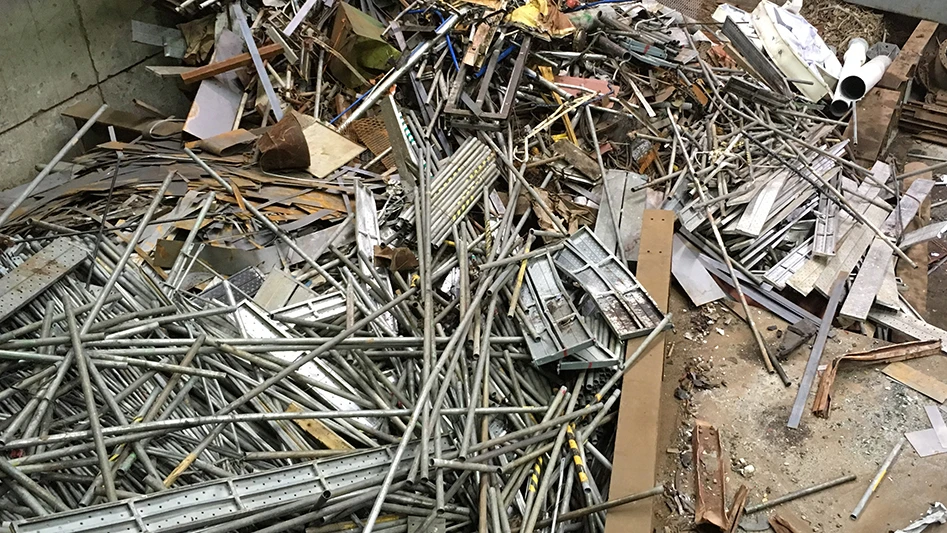
The use of recycled materials is a cornerstone of sustainable construction. Metals, in particular, are highly valued for their recyclability and are frequently used in building structures, finishes, and systems. According to this guide to recyclable metals, steel, aluminum, copper, and brass are among the most commonly recycled metals in construction.
Incorporating these materials can help projects achieve higher recycled content percentages, which not only supports LEED credits but also reduces the embodied carbon of the building. When selecting products, look for Environmental Product Declarations (EPDs) and supplier certifications that verify recycled content.
Tracking and Documenting Recycling for LEED Points
Proper documentation is essential for earning LEED points related to recycling. Project teams should collect and organize the following:
- Receipts and weight tickets from recycling facilities
- Material tracking logs showing quantities diverted versus total waste generated
- Supplier certifications for recycled content in building products
- Photographic evidence of recycling processes and storage areas
Consistent and accurate recordkeeping not only streamlines the LEED review process but also helps identify opportunities for improvement in future projects.
Challenges and Solutions in Recycling for Green Building
While recycling offers clear benefits, project teams may encounter obstacles such as limited local recycling infrastructure, contamination of recyclables, or lack of awareness among workers. Addressing these challenges requires proactive planning:
- Partner with Local Facilities: Identify recycling centers that accept construction materials and establish relationships early in the project.
- Provide Clear Signage: Use visible labels and instructions at waste collection points to reduce contamination.
- Continuous Training: Offer regular education sessions for new and existing team members on recycling protocols.
- Monitor Progress: Set diversion targets and review performance regularly to stay on track for LEED goals.
Frequently Asked Questions
Which LEED credits are most impacted by recycling?
Recycling directly affects credits in the Materials and Resources category, including Construction and Demolition Waste Management, Building Product Disclosure and Optimization, and Storage and Collection of Recyclables. These credits reward projects for diverting waste, using recycled content, and facilitating ongoing recycling.
What materials should be prioritized for recycling in construction?
Metals (such as steel and aluminum), concrete, wood, glass, and certain plastics are high-impact materials for recycling. Focusing on these can maximize waste diversion rates and contribute significantly to LEED point totals.
How can project teams ensure proper recycling documentation for LEED?
Teams should maintain detailed records, including receipts from recycling facilities, material tracking logs, and supplier certifications. Regular audits and photographic documentation can further support LEED submissions and demonstrate compliance.
By integrating robust recycling practices, documenting efforts, and focusing on high-impact materials, project teams can make significant progress toward sustainable building certification while reducing environmental impact.