

Modern industries and daily life rely heavily on metals such as steel, aluminum, and copper. However, the extraction of these materials through mining is energy-intensive, environmentally disruptive, and often unsustainable in the long term. Understanding how recycling reduces mining demand is crucial for anyone interested in resource conservation, environmental protection, and responsible manufacturing.
By reusing metals already in circulation, recycling directly lessens the need to extract new raw materials from the earth. This process not only conserves finite resources but also significantly cuts down on pollution, energy use, and habitat destruction associated with traditional mining operations. In this article, we’ll explore the mechanisms behind this relationship, examine the benefits, and provide practical insights for businesses and individuals looking to make a positive impact.
For those working in metal fabrication or manufacturing, optimizing every stage of the process can further reduce waste. For example, learning how to optimize scrap chute angles can help maximize material recovery and minimize losses during steel stamping operations.
The Connection Between Metal Recycling and Reduced Mining Activity
At its core, how recycling reduces mining demand is about closing the loop in the metal lifecycle. When scrap metal is collected, processed, and reintroduced into manufacturing, it directly offsets the need to mine and refine new ore. This cycle is especially impactful for metals like aluminum and copper, which require significant energy and resources to extract from the earth.
Mining operations often involve clearing large tracts of land, generating toxic byproducts, and consuming vast amounts of water and energy. By recycling, we can:
- Preserve natural landscapes and ecosystems
- Reduce greenhouse gas emissions from mining and refining
- Lower the overall environmental footprint of metal production
Recycling also supports a circular economy, where materials are kept in use for as long as possible, reducing the pressure on natural resources and promoting sustainability.
Energy Savings and Environmental Benefits of Metal Recycling
One of the most significant advantages of recycling metals is the dramatic reduction in energy consumption compared to primary production. For instance, recycling aluminum saves up to 95% of the energy required to produce it from bauxite ore. Similarly, recycled steel and copper use 60-74% less energy than their virgin counterparts.
These energy savings translate into lower carbon emissions and a smaller environmental footprint. The process of mining, transporting, and refining new metals is not only energy-intensive but also generates air and water pollution. By prioritizing recycled materials, manufacturers can produce high-quality products while minimizing their impact on the planet.
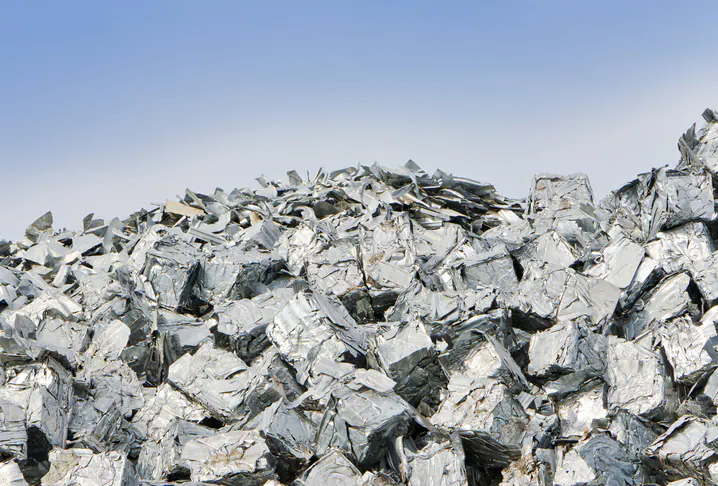
Types of Metals Commonly Recycled and Their Impact
Not all metals are recycled at the same rate, but the most commonly processed include:
- Steel: The world’s most recycled material, used in construction, automotive, and packaging industries.
- Aluminum: Widely recycled due to its high value and energy-saving potential.
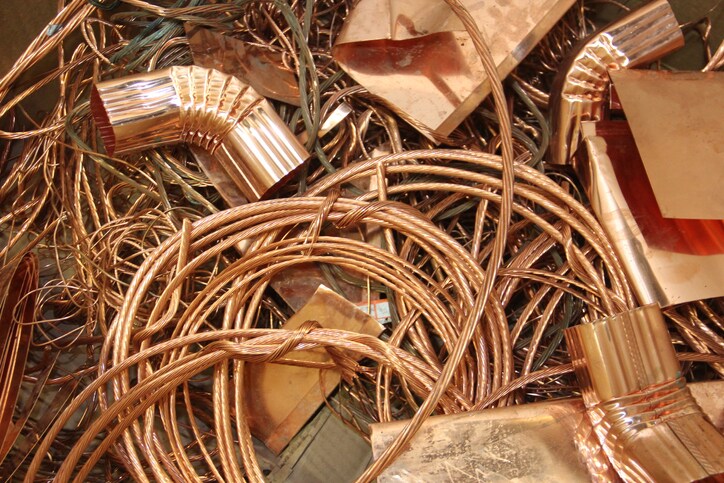
- Copper: Essential for electrical wiring and electronics, copper recycling is vital for reducing mining impacts.
Each of these metals, when recycled, helps to further decrease the reliance on mining. For more information on which metals can be recycled and their specific benefits, see this guide to different types of recyclable metals.
How Scrap Collection and Processing Influence Mining Demand
The effectiveness of recycling in reducing mining depends on efficient collection, sorting, and processing of scrap metals. High-quality recycling operations ensure that recovered metals retain their properties and can be used in demanding applications, from construction beams to precision electronics.
Technological advancements, such as automated sorting and shredding machines, have made it easier to process complex scrap streams. This not only increases the volume of recycled material but also improves its quality, making it a viable substitute for newly mined metals.
For manufacturers, adopting best practices in material handling—such as those discussed in best practices for stamping coated steels—can further enhance the efficiency of recycling programs and reduce waste at the source.
Economic and Social Advantages of Reducing Mining Through Recycling
The benefits of recycling metals extend beyond environmental protection. Economically, recycling creates jobs in collection, processing, and manufacturing sectors. It also stabilizes supply chains by reducing dependence on volatile global mining markets.
Communities near mining sites often face health risks from pollution and land degradation. By decreasing the need for new extraction, recycling helps protect these communities and supports more equitable resource management. Additionally, manufacturers can benefit from cost savings by using recycled materials, which are often less expensive than newly mined metals.
Challenges and Opportunities in Expanding Metal Recycling
Despite its clear benefits, metal recycling faces several obstacles. Contamination of scrap, lack of infrastructure, and fluctuating market prices can limit the effectiveness of recycling programs. However, ongoing innovation in sorting technologies and increased public awareness are helping to overcome these barriers.
Governments and industry leaders are also implementing policies and incentives to encourage recycling and reduce mining. For example, extended producer responsibility (EPR) programs require manufacturers to take back and recycle products at the end of their life cycle, further promoting a circular approach to resource management.
Frequently Asked Questions
What metals can be recycled to reduce mining demand?
Most metals, including steel, aluminum, copper, brass, and lead, can be recycled multiple times without losing their properties. Recycling these materials helps conserve resources and reduces the need for new mining operations.
How does recycling metal save energy compared to mining?
Recycling metals uses significantly less energy than extracting and refining new ore. For example, recycled aluminum requires up to 95% less energy, while recycled steel and copper save between 60% and 74% of the energy needed for primary production.
What role do individuals and businesses play in reducing mining through recycling?
Both individuals and businesses can make a difference by properly sorting and recycling metal waste, purchasing products made from recycled materials, and supporting policies that encourage sustainable resource use. Manufacturers can also adopt efficient processes and invest in recycling-friendly equipment.
Conclusion: Building a Sustainable Future Through Metal Recycling
Reducing the demand for newly mined metals is essential for environmental sustainability, economic stability, and community well-being. By prioritizing recycling, we can conserve natural resources, lower emissions, and create a more resilient supply chain for critical materials. Whether you’re a manufacturer, a business owner, or a consumer, supporting metal recycling is a practical step toward a healthier planet and a more sustainable future.