
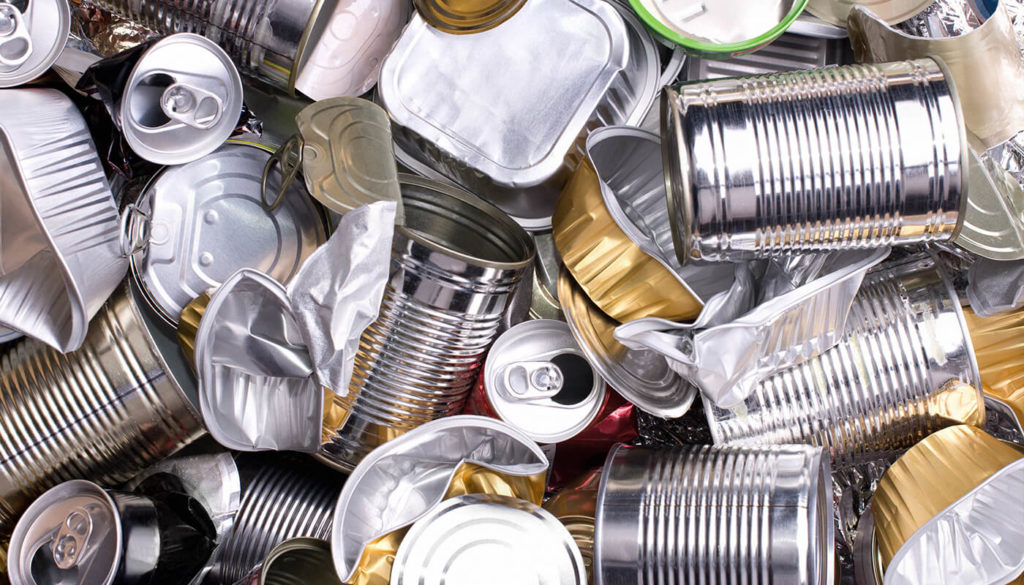
The relationship between recycling and the cost of raw materials is a crucial factor in today’s global economy. As industries strive to reduce costs and environmental impact, understanding how recycling impacts raw material prices becomes essential for manufacturers, policymakers, and consumers alike. By reintroducing used materials into the supply chain, recycling helps stabilize markets, conserve resources, and reduce dependence on newly extracted materials.
This article explores the mechanisms by which recycling influences the pricing of metals and other raw materials, highlights the benefits for various sectors, and examines the broader economic and environmental implications. For those interested in the environmental side, you can also learn more about how metal recycling reduces landfill waste and its role in sustainable development.
Understanding the Link Between Recycling and Material Costs
The process of recycling involves collecting, processing, and reusing materials that would otherwise become waste. When recycled materials enter the production cycle, they supplement or replace virgin resources. This increased supply can have a direct effect on market prices, especially for metals like steel, aluminum, and copper.
By providing an alternative source of raw materials, recycling can help buffer price volatility caused by fluctuations in mining output, geopolitical tensions, or supply chain disruptions. For example, during periods of high demand or limited mining activity, recycled metals help keep prices from spiking excessively.
Key Ways Recycling Influences Raw Material Markets
Several mechanisms explain how recycling impacts raw material prices in practical terms:
- Increased Supply: Recycling adds to the total available pool of materials, reducing scarcity and helping to moderate costs.
- Lower Production Costs: Processing recycled materials often requires less energy and fewer resources than extracting and refining virgin materials, leading to cost savings that can be passed along the supply chain.
- Market Stability: With more consistent input from recycled sources, markets are less vulnerable to sudden price shocks caused by disruptions in mining or international trade.
- Reduced Environmental Compliance Costs: Companies using recycled materials may face fewer regulatory hurdles and lower environmental fees, further influencing the price of finished goods.
Case Study: Metal Recycling and Price Fluctuations
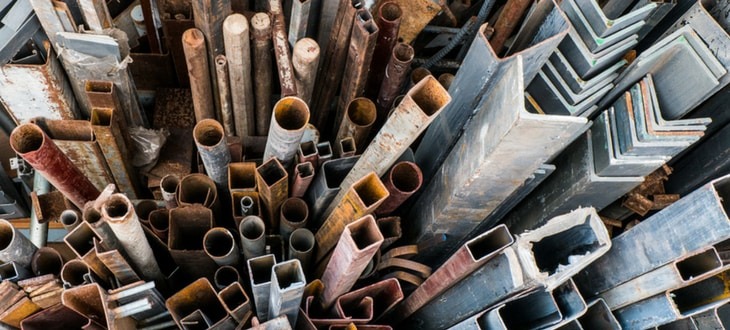
Metals are among the most recycled materials worldwide, and their markets provide clear examples of the economic effects of recycling. When scrap metal is collected and processed, it re-enters the supply chain as a substitute for newly mined ore. This not only helps conserve natural resources but also has a measurable impact on prices.
According to industry research, a robust recycling infrastructure can help stabilize the price of metals by providing a steady supply, especially when mining operations are affected by labor strikes, environmental regulations, or geopolitical issues. For a deeper look at the benefits of recycling metals, see this comprehensive overview of metal recycling advantages.
Energy Savings and Cost Reduction
One of the most significant advantages of using recycled metals is the reduction in energy consumption. Producing aluminum from recycled scrap, for instance, uses up to 95% less energy than producing it from bauxite ore. These energy savings translate into lower production costs, which can help keep prices competitive for manufacturers and consumers.
The same principle applies to other metals, such as steel and copper, where recycling processes are generally less resource-intensive than primary production methods. This efficiency not only benefits the environment but also contributes to more stable and affordable material costs.
Broader Economic and Environmental Benefits
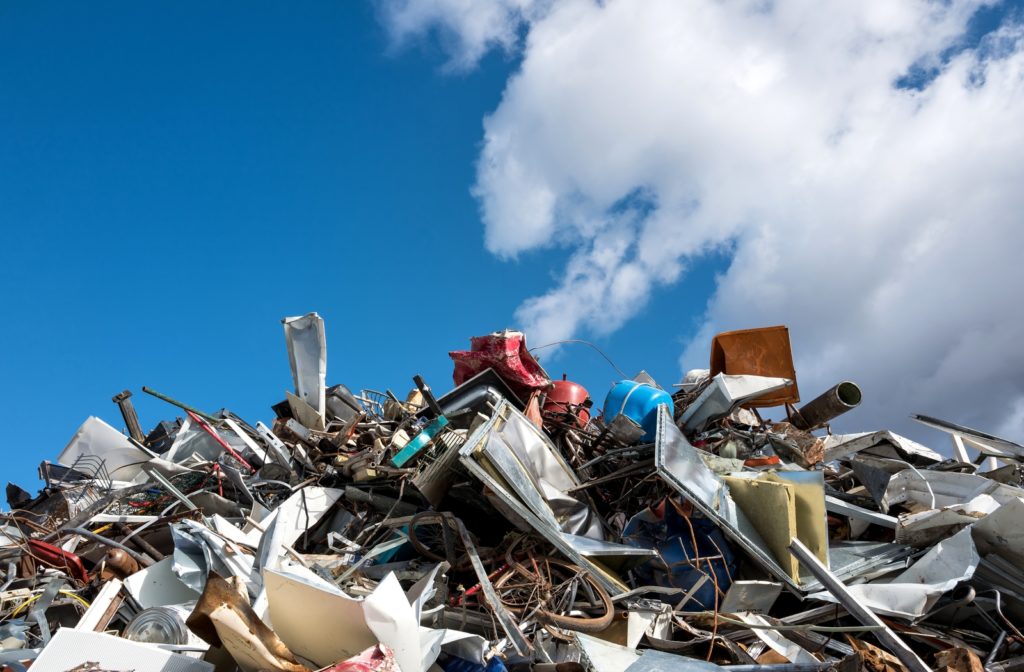
Beyond direct price effects, recycling brings a range of economic and environmental advantages. By reducing the need for raw material extraction, recycling helps preserve ecosystems and decrease greenhouse gas emissions. This, in turn, can lead to lower regulatory costs for industries and improved public health outcomes.
The use of recycled materials also supports job creation in collection, sorting, and processing industries. As demand for sustainable practices grows, companies that invest in recycling infrastructure can gain a competitive edge and contribute to a more resilient economy.
Recycling in Different Sectors
The impact of recycling on raw material costs is not limited to metals. Sectors such as construction, electronics, and manufacturing all benefit from incorporating recycled inputs. For example, the use of recycled metals in construction can help reduce project expenses and support green building initiatives.
In electronics, recovering valuable metals from discarded devices not only reduces e-waste but also provides a cost-effective source of critical materials. Learn more about how electronic waste metals are recovered and their role in the circular economy.
Challenges and Considerations in Recycling’s Effect on Prices
While recycling generally helps moderate raw material prices, several challenges can limit its effectiveness. The quality of recycled materials, contamination, and collection inefficiencies can all affect the supply and usability of secondary resources. Additionally, market demand for recycled products must remain strong to ensure a steady flow of materials.
Technological advancements in sorting and processing, such as improved shredding and purification techniques, are helping to address these issues. For example, the process of melting and purifying metals for reuse is critical for maintaining high-quality recycled inputs.
The Role of Industry and Policy
Industry collaboration and supportive government policies are essential for maximizing the positive effects of recycling on material costs. Incentives for using recycled content, investments in infrastructure, and public awareness campaigns can all help increase recycling rates and ensure a reliable supply of secondary materials.
Frequently Asked Questions
How does recycling help stabilize raw material prices?
Recycling introduces additional supply into the market, which helps reduce scarcity and buffer against price spikes caused by shortages or disruptions in mining and extraction. This stabilizing effect is especially noticeable in markets for metals and other high-demand materials.
What are the main economic benefits of using recycled materials?
The primary economic benefits include lower production costs, reduced energy consumption, and decreased reliance on imported or newly mined resources. These factors contribute to more predictable and often lower prices for manufacturers and end users.
Are there limitations to recycling’s impact on raw material costs?
Yes, limitations include the quality and availability of recycled materials, contamination issues, and fluctuating demand for recycled products. Ongoing investment in recycling technology and infrastructure is necessary to overcome these challenges and maximize the benefits.