
Recycling is often discussed in the context of environmental protection, but its impact extends far beyond reducing landfill waste and conserving resources. Understanding how recycling benefits local economies reveals a range of advantages for job creation, business growth, and community well-being. By turning discarded materials into valuable resources, recycling programs can stimulate economic activity, support local industries, and foster a sense of shared responsibility among residents.
In addition to environmental gains, communities that prioritize recycling often experience increased employment opportunities, reduced municipal costs, and a stronger foundation for sustainable development. These economic effects are especially significant for regions with robust manufacturing and processing sectors, where recycled materials can be transformed into new products efficiently.
For those interested in related industrial processes, exploring best practices for stamping coated steels can provide further insight into how recycled materials are utilized in manufacturing.
Economic Growth Through Local Recycling Initiatives
One of the most direct ways recycling supports communities is by driving economic growth at the local level. Municipal recycling programs and private sector initiatives create a demand for collection, sorting, and processing services. This demand translates into new business opportunities for entrepreneurs and established companies alike.
Local governments that invest in recycling infrastructure often see a return in the form of increased tax revenues and business development. Facilities that handle materials such as metals, plastics, and paper provide essential services and contribute to a diversified local economy. The presence of these facilities can also attract related industries, such as manufacturers who rely on a steady supply of recycled inputs.
Job Creation and Workforce Development
A key aspect of how recycling benefits local economies is its role in job creation. Unlike landfilling or incineration, recycling is a labor-intensive process that requires workers at every stage—from collection and transportation to sorting, processing, and remanufacturing.
According to industry research, recycling generates significantly more jobs per ton of material processed compared to traditional waste disposal methods. These positions range from entry-level roles to specialized technical and managerial jobs, offering employment opportunities for a diverse workforce. Local training programs and partnerships with educational institutions can further enhance workforce skills, ensuring that communities are prepared to meet the evolving needs of the recycling sector.
Supporting Local Manufacturing and Supply Chains
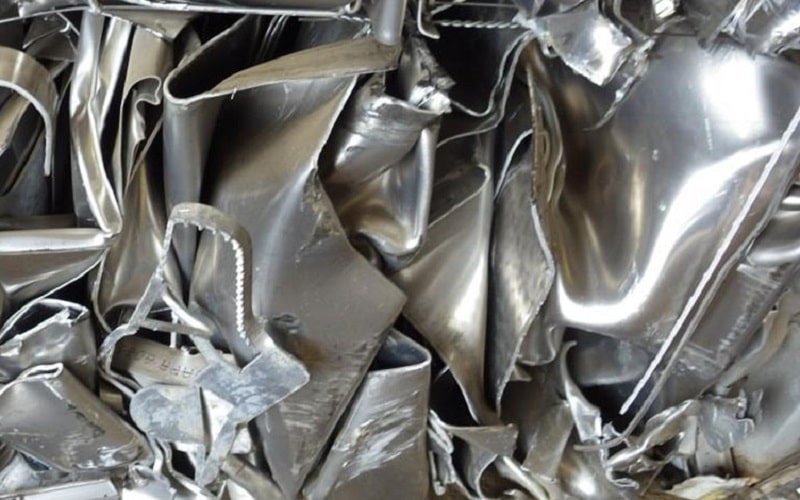
Recycling helps sustain local manufacturing by providing a reliable source of raw materials. Many industries, such as metal fabrication and paper production, rely on recycled inputs to reduce costs and maintain competitiveness. By sourcing materials locally, manufacturers can minimize transportation expenses and reduce their carbon footprint.
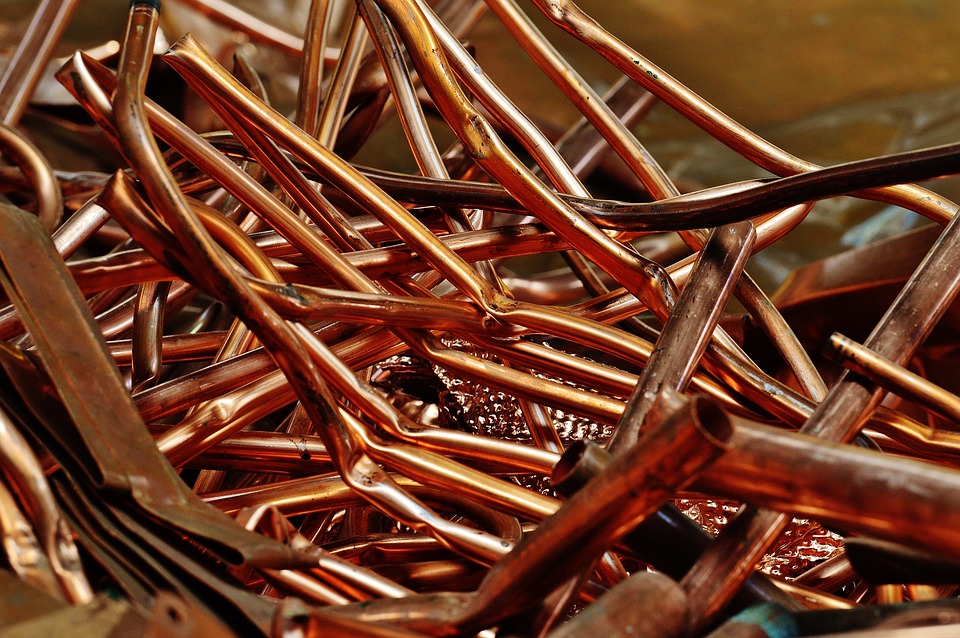
The use of recycled metals, for example, is common in the automotive, construction, and electronics sectors. Communities with established recycling programs can supply these industries with high-quality materials, strengthening regional supply chains and supporting economic resilience. For a deeper look at the types of metals that can be recycled, see this comprehensive guide to recyclable metals.
Reducing Municipal Costs and Environmental Impact
Effective recycling programs can help municipalities manage waste more efficiently, reducing the need for costly landfill space and incineration. By diverting materials from landfills, communities can extend the lifespan of existing waste management facilities and lower long-term operational expenses.
These savings can be redirected toward other community priorities, such as public infrastructure, education, or social services. Additionally, recycling reduces the environmental impact associated with extracting and processing virgin materials, contributing to cleaner air and water for local residents.
Community Engagement and Social Benefits
Beyond economic and environmental advantages, recycling fosters a sense of community engagement and shared purpose. Local programs often involve educational campaigns, volunteer opportunities, and partnerships with schools and civic organizations. These efforts help raise awareness about the importance of resource conservation and encourage responsible consumption habits.
When residents participate in recycling initiatives, they contribute to the overall well-being of their neighborhoods. Cleaner public spaces, reduced litter, and a collective commitment to sustainability can enhance the quality of life for everyone.

Challenges and Opportunities for Local Recycling Programs
While the advantages are clear, local recycling efforts can face challenges such as fluctuating commodity prices, contamination of materials, and limited access to processing facilities. Addressing these issues requires collaboration between governments, businesses, and residents.
Investing in modern sorting technology, providing clear guidelines for residents, and supporting innovation in recycling processes can help communities overcome obstacles. Sharing knowledge and resources with neighboring regions can also enhance the effectiveness of local programs.
For those involved in industrial recycling, understanding steel stamping edge quality optimization can further improve the value and usability of recycled materials.
Frequently Asked Questions
What types of jobs are created by local recycling programs?
Recycling initiatives generate a wide range of employment opportunities, including collection drivers, material sorters, equipment operators, quality control specialists, and managers. There are also roles in education, outreach, and program administration, making recycling a significant source of local jobs.
How does recycling help reduce costs for municipalities?
By diverting waste from landfills and incinerators, recycling programs lower disposal costs and extend the lifespan of existing facilities. This allows municipalities to allocate resources to other essential services while minimizing environmental impact.
Can recycling support local manufacturing industries?
Yes, recycling provides manufacturers with a steady supply of affordable raw materials. This supports local production, reduces reliance on imported resources, and strengthens regional supply chains—especially in sectors like metals, paper, and plastics.
Conclusion
The positive effects of recycling on local economies and communities are both immediate and long-lasting. From job creation and business growth to reduced municipal costs and enhanced community engagement, the benefits are clear. By supporting recycling initiatives and staying informed about industry best practices, individuals and organizations can contribute to a more resilient and prosperous future.