
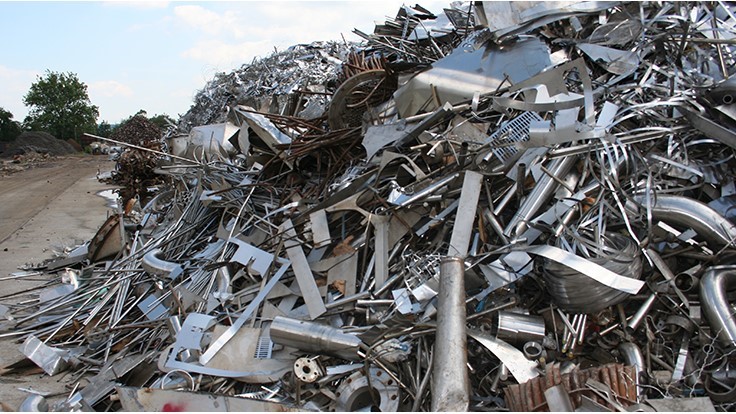
The use of recycled metals in manufacturing has become increasingly common as industries seek to reduce environmental impact and lower production costs. However, many businesses and consumers wonder about the implications for product longevity and performance. Understanding how recycled metals affect durability is essential for making informed choices, whether you’re sourcing materials for construction, electronics, or everyday goods.
In this article, we’ll explore the science behind recycled metals, examine the factors that influence their strength and resilience, and provide practical insights for manufacturers and buyers. We’ll also highlight the role of recycling processes, quality control, and industry standards in ensuring that products made from reused metals meet or exceed expectations.
For a broader perspective on sustainability, you may also be interested in learning about how metal recycling reduces landfill waste and its environmental benefits.
Understanding the Properties of Recycled Metals
To grasp how recycled metals influence product durability, it’s important to first understand what happens during the recycling process. Metals such as steel, aluminum, copper, and brass can be melted down and reformed multiple times without losing their fundamental properties. However, the quality of the final product depends on several factors:
- Purity of the scrap material: Contaminants or mixed metals can affect the consistency and strength of the recycled output.
- Processing methods: Advanced sorting, melting, and purification techniques help maintain or restore the original properties of the metal.
- Alloy composition: Some products require precise blends of metals to achieve desired characteristics, which can be more challenging with recycled inputs.
When handled correctly, recycled metals can be nearly indistinguishable from their virgin counterparts in terms of structural integrity.
Factors That Impact Durability in Recycled Metal Products
The durability of items made from reused metals is shaped by both the source material and the manufacturing process. Here are some key considerations:
- Contaminant Removal: Effective separation and purification are crucial. If impurities remain, they can create weak points or lead to corrosion over time.
- Alloy Consistency: Maintaining the correct mix of elements ensures that the recycled metal performs as expected in terms of hardness, flexibility, and resistance to wear.
- Processing Temperature: Overheating or improper cooling can alter the microstructure of the metal, affecting its toughness and lifespan.
- Quality Control: Rigorous testing and certification help guarantee that recycled materials meet industry standards for strength and reliability.
For example, the process of melting and purifying metals for reuse plays a vital role in ensuring that recycled metals retain their desirable qualities.
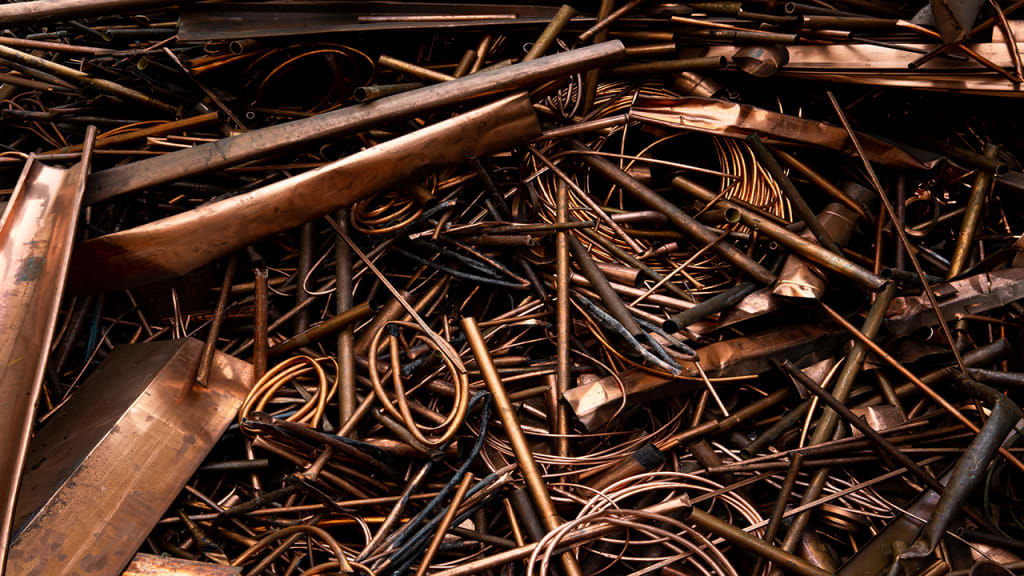
Comparing Recycled and Virgin Metals in Product Longevity
A common concern is whether products made with recycled metals last as long as those made from new materials. The answer depends on the type of metal, the intended application, and the quality of the recycling process. In many cases, items manufactured from recycled sources perform just as well as those made from virgin metals.
For instance, recycled steel is widely used in construction, automotive, and appliance industries due to its consistent strength and durability. Aluminum cans, car parts, and building materials often contain a high percentage of recycled content without any reduction in lifespan. The key is ensuring that the recycling process is carefully managed and that the end product meets relevant specifications.
For more information on the types of metals that can be recycled and their typical uses, refer to this comprehensive guide to recyclable metals.
Industry Standards and Certification for Recycled Metal Durability
To guarantee that products made from recycled metals are safe and long-lasting, various industry standards and certifications have been established. These guidelines specify acceptable levels of impurities, mechanical properties, and testing procedures. Manufacturers who adhere to these standards can confidently market their products as both sustainable and reliable.
Some sectors, such as aerospace or medical device manufacturing, may impose stricter requirements due to the critical nature of their applications. In these cases, only the highest-quality recycled metals—often processed in specialized foundries—are used. For a deeper look at how foundries contribute to the recycling process and maintain quality, see the article on the role of foundries in recycling.
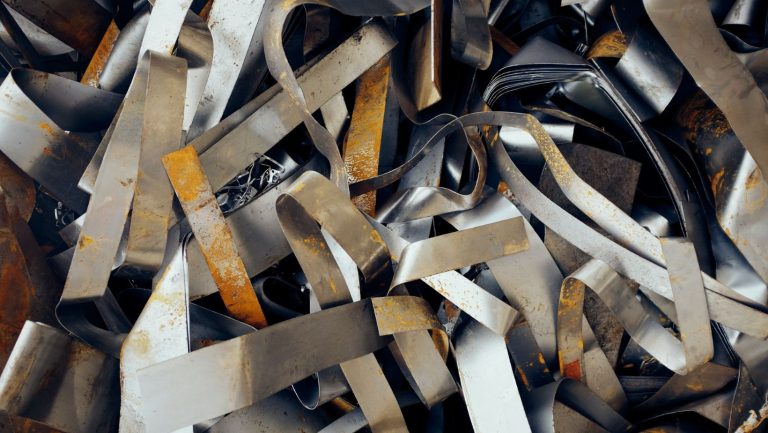
Best Practices for Manufacturers Using Recycled Metals
Companies looking to incorporate recycled metals into their products can take several steps to ensure optimal durability:
- Source materials from reputable recyclers with transparent quality assurance processes.
- Specify required alloy compositions and mechanical properties in procurement contracts.
- Implement rigorous in-house testing to verify that incoming recycled metals meet standards.
- Stay updated on advancements in recycling technology and industry certifications.
These practices help maintain product performance while supporting sustainability goals. The construction sector, in particular, has seen significant benefits from using recycled metals, as detailed in the discussion of metal recycling in construction industry applications.
Frequently Asked Questions
Does using recycled metals reduce product lifespan?
When processed and purified correctly, recycled metals can offer similar durability to new metals. The key factors are the removal of contaminants and adherence to industry standards.
Are certain products better suited for recycled metals?
Yes. Construction materials, automotive parts, and consumer goods often utilize recycled metals without compromising strength or longevity. Highly specialized applications may require stricter quality controls.
How can manufacturers ensure the quality of recycled metal products?
By working with trusted suppliers, specifying material requirements, and conducting thorough testing, manufacturers can ensure that products made from recycled metals are reliable and long-lasting.