
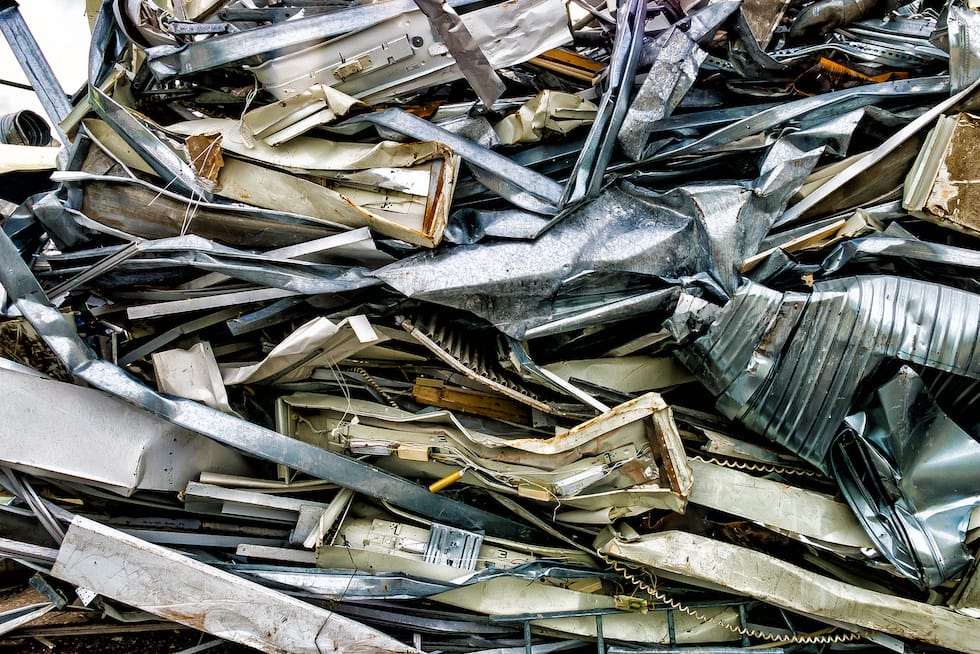
As environmental concerns continue to shape consumer choices and regulatory landscapes, businesses are increasingly seeking ways to demonstrate their commitment to sustainability. One impactful approach is the integration of recycled metal into products and operations. This guide explores the practical ways that utilizing recycled metals can enhance a company’s environmental profile, reduce costs, and strengthen brand reputation.
By adopting recycled materials, organizations not only help conserve natural resources but also position themselves as leaders in responsible manufacturing. The benefits extend beyond environmental impact—companies can realize economic advantages and meet the growing expectations of eco-conscious customers.
For a deeper understanding of how recycling metals helps minimize landfill waste, see how metal recycling reduces landfill waste.
Environmental Benefits of Using Recycled Metals
Incorporating recycled metals into manufacturing processes offers significant environmental advantages. The extraction and refinement of virgin metals require substantial energy and often result in habitat disruption, water pollution, and greenhouse gas emissions. By contrast, using secondary metals dramatically reduces these impacts.
- Lower Energy Consumption: Producing metals from recycled sources typically uses far less energy than processing raw ore. For example, recycling aluminum can save up to 95% of the energy required for primary production.
- Reduced Greenhouse Gas Emissions: The energy savings from recycling translate directly into fewer carbon emissions, supporting global efforts to combat climate change.
- Conservation of Natural Resources: Relying on recycled materials helps preserve finite mineral reserves and reduces the need for environmentally damaging mining operations.
These benefits align with the goals of many organizations aiming to lower their environmental footprint and comply with stricter sustainability regulations.
How Recycled Metal Supports Corporate Social Responsibility
Embracing recycled metals is a tangible way for companies to demonstrate their commitment to sustainable practices. Corporate social responsibility (CSR) initiatives often focus on reducing waste, conserving resources, and supporting ethical supply chains. By sourcing recycled materials, brands can address all three objectives.
Many consumers and investors now expect transparency regarding the environmental impact of products. Companies that prioritize recycled content can communicate this commitment through product labeling, marketing materials, and sustainability reports. This transparency can foster trust and loyalty among stakeholders.
Additionally, using recycled metals can help organizations meet certifications such as LEED, ISO 14001, and other green standards, further enhancing their market position.
Economic Advantages of Adopting Recycled Metals
Beyond environmental and reputational gains, there are compelling financial reasons to incorporate recycled metals into business operations. The cost of recycled materials is often lower than that of virgin metals, especially when factoring in the volatility of global commodity markets.
- Stable Supply Chains: Sourcing recycled metals can help insulate companies from price fluctuations and supply disruptions associated with raw materials.
- Reduced Waste Management Costs: By reusing scrap metal, businesses can minimize disposal expenses and even generate revenue from selling excess materials.
- Potential Tax Incentives: Some regions offer financial incentives or credits for companies that use recycled content in their manufacturing processes.
These economic benefits make recycled metals an attractive option for companies seeking to improve profitability while meeting sustainability goals.
Types of Metals Commonly Recycled
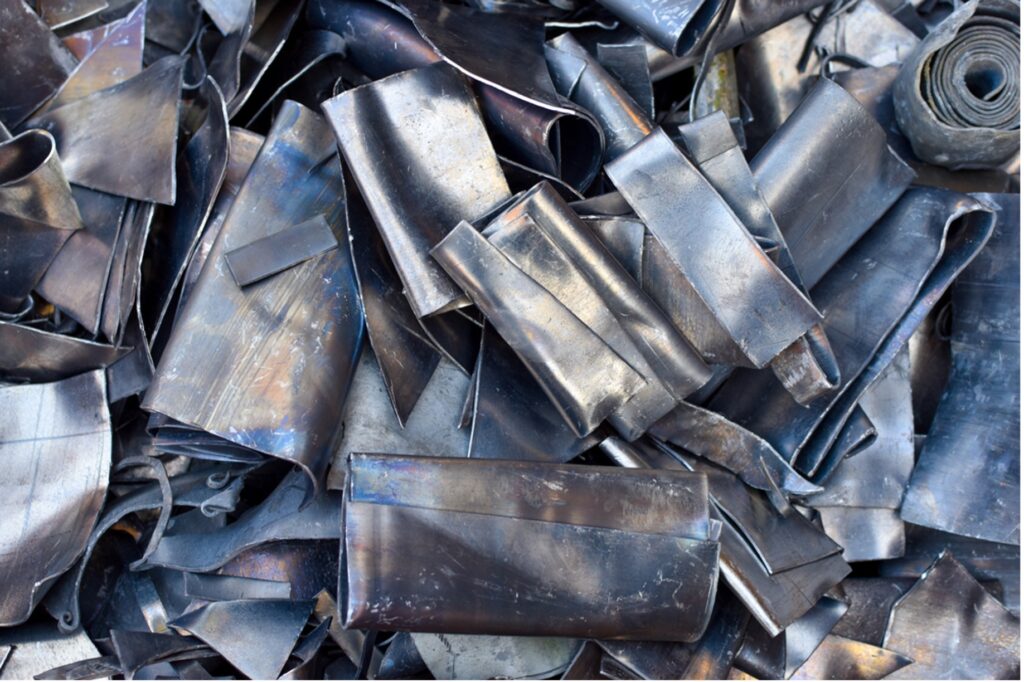
Both ferrous and non-ferrous metals are widely recycled in industrial and consumer applications. Ferrous metals, such as steel and iron, are magnetic and commonly found in construction, automotive, and appliance manufacturing. Non-ferrous metals, including aluminum, copper, brass, and lead, are valued for their resistance to corrosion and conductivity.
The recycling process for these metals involves collection, sorting, shredding, melting, and purification. For a closer look at how metals are processed for reuse, visit how metal is melted and purified.
To learn more about which metals can be recycled and the specific processes involved, see this comprehensive guide to recyclable metals.
Integrating Recycled Metal into Product Design
Successful adoption of recycled metals begins at the design stage. Engineers and product developers can specify recycled content in material selection, ensuring that sustainability is built into the product from the outset. This approach not only reduces environmental impact but can also enhance product appeal to environmentally conscious consumers.
- Material Sourcing: Work with suppliers who can certify the recycled content of their metals.
- Design for Disassembly: Create products that are easy to take apart at end-of-life, facilitating future recycling.
- Lifecycle Assessment: Evaluate the environmental impact of materials throughout the product’s lifespan to maximize sustainability benefits.
Industries such as automotive, electronics, and construction are leading the way in integrating recycled metals into their products. For insights into how the construction sector is leveraging recycled materials, explore metal recycling in construction industry.
Challenges and Solutions in Sourcing Recycled Metals
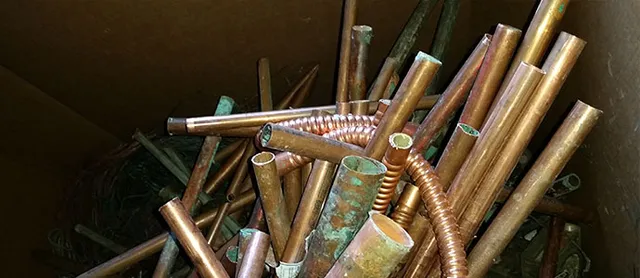
While the advantages of using recycled metals are clear, companies may encounter challenges such as inconsistent supply, variable quality, or higher upfront costs for certain specialized alloys. Addressing these issues requires strategic partnerships and investment in advanced recycling technologies.
- Supplier Collaboration: Build relationships with reputable recyclers and foundries to ensure a steady supply of high-quality materials. The role of foundries in recycling is especially important for maintaining material standards.
- Quality Assurance: Implement rigorous testing and certification processes to verify recycled content and performance.
- Technology Investment: Support the adoption of innovative sorting and purification systems to improve the efficiency and quality of recycled metals.
Overcoming these hurdles enables brands to fully realize the sustainability and economic benefits of recycled materials.
Frequently Asked Questions
What types of products can benefit from recycled metal?
A wide range of products, from automobiles and appliances to electronics and building materials, can incorporate recycled metals. The use of secondary materials is especially common in industries where durability and resource efficiency are priorities.
How does using recycled metal impact a company’s carbon footprint?
Utilizing recycled metals significantly lowers a company’s carbon emissions by reducing the energy needed for production and minimizing reliance on mining and refining virgin materials. This supports broader sustainability targets and regulatory compliance.
Are there standards or certifications for products made with recycled metals?
Yes, several certifications exist to verify recycled content, including ISO 14021 for environmental labeling and LEED credits for construction materials. Working with suppliers who provide documentation ensures transparency and credibility.
Conclusion
Integrating recycled metals into business operations is a practical and effective way to advance sustainability objectives, reduce costs, and strengthen brand reputation. By understanding the environmental, economic, and social benefits, companies can make informed decisions that resonate with customers and stakeholders alike. As demand for responsible manufacturing grows, adopting recycled materials is not just a trend—it’s a strategic imperative for future-focused brands.