
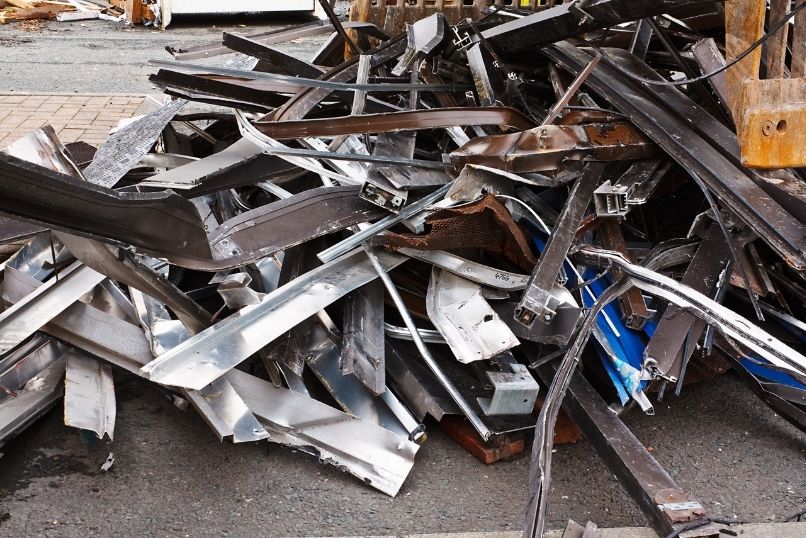
As industries worldwide strive to reduce their environmental impact, the integration of recycled metal into sustainable production has become a cornerstone of modern eco-friendly strategies. Understanding how recycled metal fits in green manufacturing is essential for businesses aiming to lower their carbon footprint, conserve resources, and meet growing consumer expectations for responsible practices. This article explores the practical role of metal recycling in sustainable manufacturing, highlighting its benefits, processes, and real-world applications.
Incorporating secondary metals into production cycles not only conserves raw materials but also significantly reduces energy consumption and greenhouse gas emissions. By choosing recycled over virgin metals, manufacturers contribute to a circular economy, where materials are reused and waste is minimized. For those interested in the broader environmental impact, exploring how metal recycling reduces landfill waste offers further insight into the positive outcomes of these practices.
Why Sustainable Manufacturing Relies on Metal Recycling
The shift toward environmentally responsible production methods has made metal recycling a key component of green initiatives. By reprocessing scrap and end-of-life products, manufacturers can significantly reduce their reliance on newly mined ores. This not only preserves natural resources but also lessens the environmental disruption caused by mining activities.
The energy required to produce metals from recycled materials is substantially lower than that needed for primary extraction. For example, recycling aluminum saves up to 95% of the energy compared to producing it from bauxite ore. Similarly, recycled steel and copper require 60–80% less energy. These savings translate directly into reduced greenhouse gas emissions and lower production costs.
Types of Metals Commonly Recycled in Eco-Friendly Production
A wide range of metals can be reintroduced into manufacturing cycles, each offering unique advantages for sustainability. Commonly recycled metals include:
- Aluminum: Lightweight and infinitely recyclable, aluminum is widely used in packaging, automotive, and construction industries.
- Steel: The most recycled material globally, steel is essential for building, transportation, and appliances.
- Copper: Valued for its conductivity, copper is reclaimed from electrical wiring, plumbing, and electronics.
- Brass and Bronze: Frequently recycled from fixtures, fittings, and industrial components.
For a deeper look at the variety of metals suitable for recycling, see this guide to the different types of metal that can be recycled.
Integrating Recycled Metal into Manufacturing Workflows
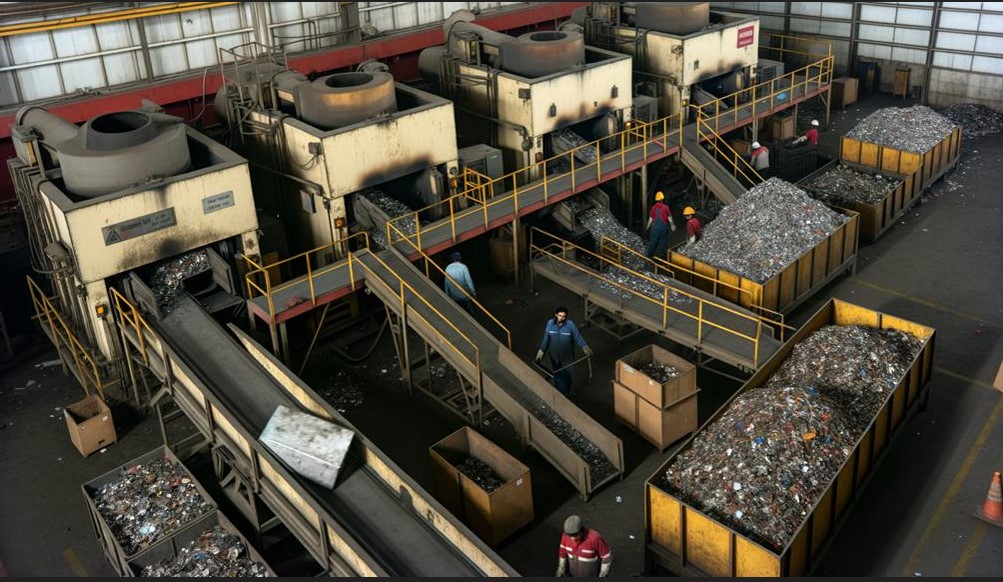
To fully realize the benefits of how recycled metal fits in green manufacturing, companies must establish efficient collection, sorting, and processing systems. The journey from scrap to usable material involves several key steps:
- Collection and Sorting: Scrap is gathered from various sources, including industrial waste, consumer goods, and demolition sites. Sorting ensures that metals are separated by type and quality.
- Shredding and Processing: Collected metals are shredded and processed to remove impurities. Advanced technologies, such as magnetic separation and eddy current sorting, help achieve high purity levels.
- Melting and Refining: The cleaned scrap is melted in furnaces. This stage often uses less energy than primary production, especially for metals like aluminum and steel.
- Forming New Products: The molten metal is cast or rolled into new shapes, ready to be used in the production of goods ranging from car parts to electronics.
For more details on the technical side, the article on how metal is melted and purified explains the purification process that ensures recycled metals meet industry standards.
Environmental and Economic Benefits of Using Recycled Metals
The environmental advantages of incorporating recycled metals are clear. Reduced mining activity leads to less habitat destruction and water pollution. Lower energy use cuts down on emissions, helping manufacturers comply with increasingly strict environmental regulations.
From an economic perspective, recycled metals often cost less than newly mined materials. This price advantage, combined with energy savings, can improve profit margins. Additionally, companies that prioritize sustainability may benefit from enhanced brand reputation and access to environmentally conscious markets.
Challenges and Solutions in Adopting Recycled Metal
While the advantages are significant, integrating recycled metals into manufacturing is not without challenges. Variability in scrap quality, contamination, and supply chain logistics can affect the consistency and performance of finished products. However, advances in sorting technology and improved industry standards are helping to address these issues.
Collaboration between manufacturers, recyclers, and suppliers is crucial. By establishing clear specifications and investing in quality control, companies can ensure that recycled inputs meet the same standards as virgin materials. The role of foundries in recycling is particularly important, as these facilities are often responsible for refining and preparing scrap for reuse.
Real-World Applications of Secondary Metals in Green Production
The use of recycled metals spans a wide range of industries. In the automotive sector, manufacturers use recycled steel and aluminum to produce lighter, more fuel-efficient vehicles. The construction industry benefits from structural steel made from scrap, reducing the environmental impact of new buildings. Electronics manufacturers reclaim copper and precious metals from discarded devices, supporting both resource conservation and responsible e-waste management.
For more on how recycled metals are recovered from electronics, see the article on how electronic waste metals are recovered. Additionally, the benefits of metal recycling in construction highlight the growing importance of sustainable materials in building projects.
Frequently Asked Questions
What are the main benefits of using recycled metals in manufacturing?
The primary advantages include reduced energy consumption, lower greenhouse gas emissions, conservation of natural resources, and cost savings. Using recycled metals also supports a circular economy and helps companies meet sustainability goals.
Are products made with recycled metals as strong as those made with new materials?
Yes, when processed correctly, recycled metals can match the strength and quality of virgin materials. Advances in sorting and refining technologies ensure that recycled inputs meet industry standards for performance and reliability.
What challenges do manufacturers face when using recycled metals?
Common challenges include variability in scrap quality, potential contamination, and supply chain complexities. However, improved processing methods and collaboration with reliable suppliers help overcome these obstacles and ensure consistent results.