
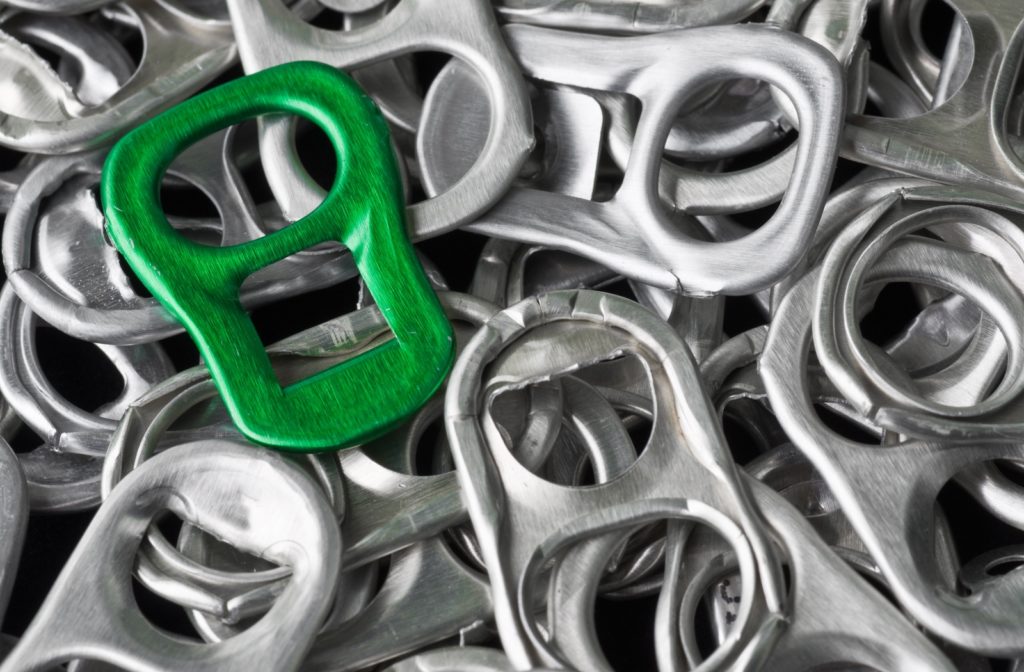
The growing emphasis on sustainability is reshaping the way manufacturers and designers approach material selection. How recycled metal affects product design is a topic that has gained significant traction as industries seek to minimize environmental impact, reduce costs, and meet evolving consumer expectations. Incorporating recycled metals into products requires careful consideration of material properties, supply chain logistics, and design flexibility. This article explores the practical implications of using recycled metals, the challenges and opportunities they present, and how these factors influence design decisions across various industries.
As companies strive for greener practices, understanding the nuances of recycled metal integration becomes essential. Whether you are developing consumer goods, automotive components, or industrial equipment, the choice to use recycled metals can affect everything from product performance to regulatory compliance. For those working with coated steels, reviewing best practices for stamping coated steels can further inform material handling and design strategies.
Material Properties and Their Impact on Design
One of the primary considerations when integrating recycled metals into new products is the variability in material properties. Unlike virgin metals, recycled materials may contain trace impurities or exhibit slight differences in composition, which can influence mechanical strength, ductility, and corrosion resistance. Designers must account for these factors to ensure product reliability and safety.
- Strength and Durability: Recycled metals, such as aluminum and steel, often retain much of their original strength. However, the presence of mixed alloys or contaminants can affect performance in high-stress applications.
- Surface Quality: Products requiring a flawless surface finish, such as consumer electronics or automotive panels, may need additional processing when using recycled metals to achieve the desired appearance.
- Consistency: Batch-to-batch consistency can vary, making it important for designers to specify acceptable tolerances and work closely with suppliers.
Supply Chain Considerations for Sustainable Manufacturing
The decision to use recycled metals also brings supply chain factors into play. Sourcing high-quality recycled materials requires reliable partners and transparent processes. Manufacturers must evaluate the availability, cost, and traceability of recycled metals to ensure a steady supply that meets production needs.
In some cases, recycled metal supply chains can be more complex than those for virgin materials, especially when dealing with specialty alloys or tight regulatory requirements. Designers and procurement teams should collaborate to identify suppliers who can provide consistent quality and documentation, supporting both sustainability goals and product integrity.
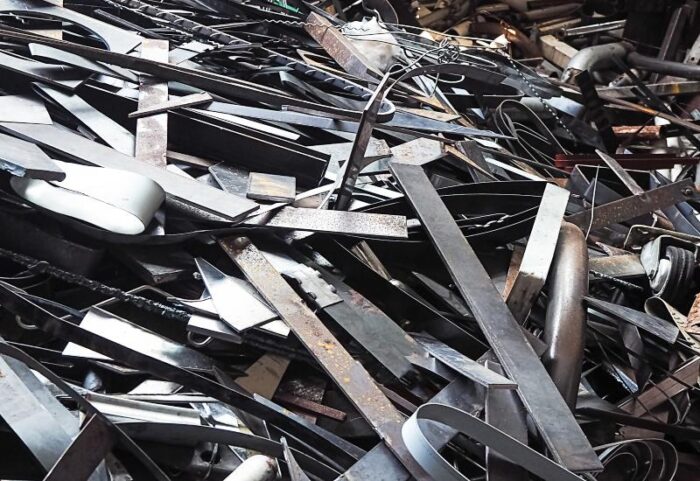
Design Flexibility and Innovation with Recycled Metals
Embracing recycled metals can open new avenues for creative product development. Designers are increasingly leveraging the unique characteristics of these materials to create distinctive, eco-friendly products. For example, the use of visible recycled content or patinas can become a design feature, signaling sustainability to consumers.
In sectors like architecture and industrial design, recycled metals are often chosen for their environmental credentials and aesthetic appeal. The flexibility to incorporate recycled content can also support modularity, repairability, and end-of-life recycling, further enhancing a product’s sustainability profile.
Challenges in Manufacturing and Processing
While the benefits are clear, there are also challenges to address. Processing recycled metals may require adjustments to manufacturing techniques, such as modified stamping, welding, or coating processes. For those involved in metal forming, resources on steel stamping edge quality optimization can be valuable when working with recycled materials.
Additional steps, such as sorting, cleaning, or alloying, may be necessary to achieve the desired properties. These processes can add cost and complexity, but advances in recycling technology are helping to minimize these barriers.
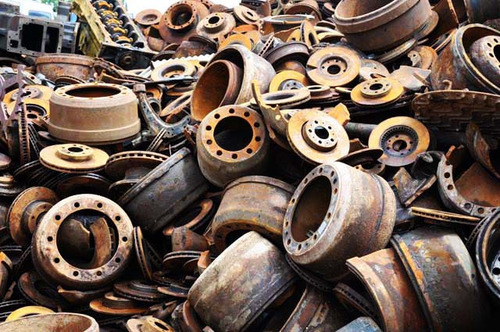
Environmental and Regulatory Considerations
The environmental benefits of using recycled metals are significant. By reducing the need for virgin material extraction and processing, manufacturers can lower their carbon footprint and conserve natural resources. Many regions now offer incentives or require documentation of recycled content, making it essential for design teams to stay informed about evolving regulations.
For a deeper understanding of how different metals are recycled and the implications for product design, reviewing resources such as metal types and their recycling process can provide valuable context and technical insights.
Cost Implications and Market Positioning
Cost is a key factor in any material selection process. While recycled metals can sometimes be less expensive than virgin materials, price fluctuations and additional processing requirements may offset these savings. However, products featuring recycled content can command a premium in markets where sustainability is a priority for consumers or clients.
Companies that successfully integrate recycled metals into their offerings can differentiate themselves and build brand loyalty. Marketing products as eco-friendly, backed by credible supply chain documentation, can enhance reputation and open doors to new business opportunities.
Integrating Recycled Metals: Practical Tips for Designers
- Collaborate Early: Work with suppliers and manufacturing partners from the outset to understand the properties and limitations of available recycled metals.
- Specify Tolerances: Clearly define acceptable ranges for material properties to avoid surprises during production.
- Test Prototypes: Build and evaluate prototypes using recycled content to ensure performance meets expectations.
- Stay Informed: Keep up with advances in recycling technology and regulatory changes that may affect material choices.
- Communicate Sustainability: Highlight the use of recycled materials in product marketing and documentation to appeal to eco-conscious customers.
Frequently Asked Questions
What are the main challenges when designing with recycled metals?
The primary challenges include variability in material properties, potential impurities, and the need for additional processing to achieve desired quality. Designers must also ensure consistent supply and compliance with industry standards.
How does using recycled metal benefit the environment?
Utilizing recycled metals reduces the demand for virgin material extraction, conserves energy, and lowers greenhouse gas emissions. It also helps divert waste from landfills and supports a circular economy.
Are products made from recycled metals as durable as those made from new materials?
In many cases, products made from recycled metals can match the durability of those made from virgin materials, especially when proper quality controls are in place. However, it is important to test and validate material performance for critical applications.
Where can I learn more about metal recycling processes?
For a comprehensive overview of recycling methods and their impact on different metals, visit this guide on metal types and their recycling process.