
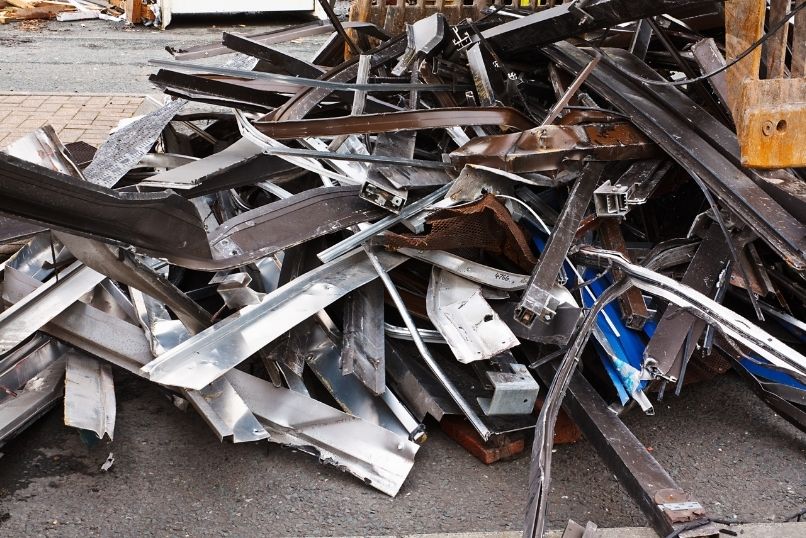
Efficiently separating metals is a crucial step in the metal recycling process. Proper sorting ensures that valuable resources are recovered, reduces environmental impact, and supports the production of high-quality recycled materials. Whether dealing with household scrap or industrial waste, understanding how metals are sorted for recycling helps maximize both economic and environmental benefits. In this guide, we’ll explore the main methods and technologies used to distinguish and separate different types of metals, from manual sorting to advanced automated systems.
If you’re interested in a detailed overview of each stage from collection to reuse, the metal recycling process explained article provides a comprehensive step-by-step breakdown.
Why Sorting Metals Matters in Recycling
The separation of metals is foundational to the recycling industry. Different metals have unique properties, values, and end uses. Mixing them can contaminate batches, lower resale value, and even damage recycling equipment. By using effective sorting techniques, recyclers can:
- Recover more valuable materials from mixed waste streams
- Reduce landfill waste and conserve natural resources
- Lower energy consumption compared to producing metals from raw ore
- Ensure higher quality output for manufacturing and construction
For a deeper look at why this matters in industry, see the article on the importance of metal recycling in industry.
Common Types of Metals Found in Scrap
Before discussing sorting methods, it’s helpful to know which metals are most commonly recycled. The two broad categories are ferrous metals (containing iron, such as steel and cast iron) and non-ferrous metals (like aluminum, copper, brass, and stainless steel). Each type requires different handling and separation techniques.
- Ferrous metals: Magnetic, heavy, and often used in construction and automotive industries.
- Non-ferrous metals: Non-magnetic, lighter, and commonly found in wiring, cans, pipes, and electronics.
For more on which metals can be recycled and their uses, see this guide to recyclable metals.
Manual Sorting: The First Step in Metal Separation
Many recycling centers begin with manual sorting. Workers visually inspect and separate metals based on appearance, weight, and other physical properties. This step is especially important for removing contaminants and sorting out large or hazardous items before they enter automated systems.
- Visual identification of color, shine, and corrosion
- Testing with hand-held magnets to distinguish ferrous from non-ferrous
- Sorting by size and shape for easier processing
Magnetic Separation: Distinguishing Ferrous from Non-Ferrous
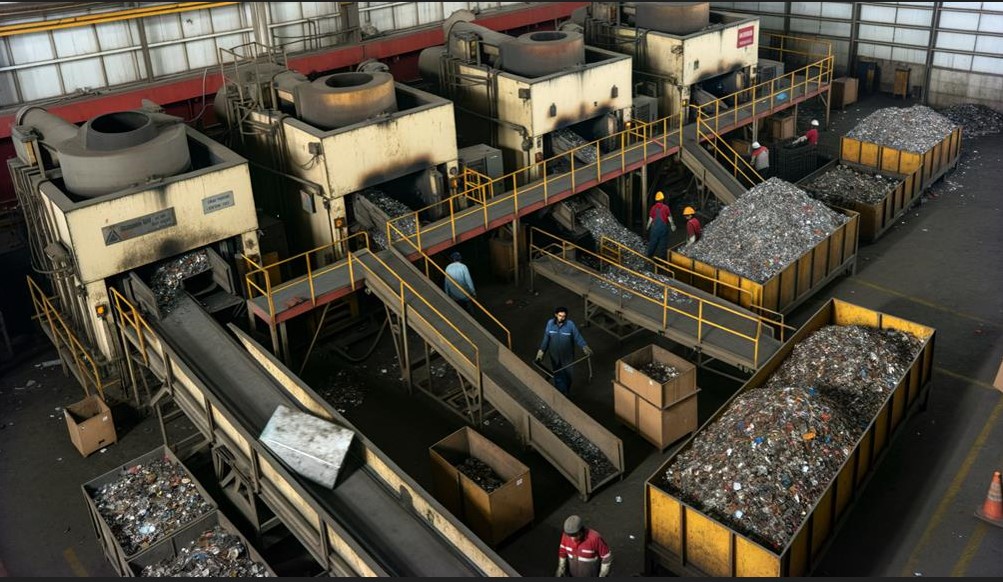
Magnetic sorting is one of the most widely used methods in the industry. Large magnets or conveyor belts with magnetic rollers are used to attract and remove ferrous metals from mixed scrap. This process is fast, efficient, and highly effective for separating steel and iron from other materials.
- Ferrous metals are pulled out by magnets and sent to dedicated processing lines
- Non-ferrous metals and non-metallic materials continue on for further sorting
- Reduces contamination and ensures purity in both metal streams
Eddy Current Separation: Isolating Non-Ferrous Metals
For non-ferrous metals like aluminum and copper, eddy current separators are commonly used. These machines generate a strong magnetic field that induces electric currents in conductive metals, causing them to be repelled from the conveyor and separated from non-metallic waste.
- Highly effective for sorting aluminum cans, copper wires, and brass pieces
- Works best after ferrous metals have already been removed
- Improves recovery rates and reduces manual labor
Advanced Technologies: Sensor-Based and Automated Sorting
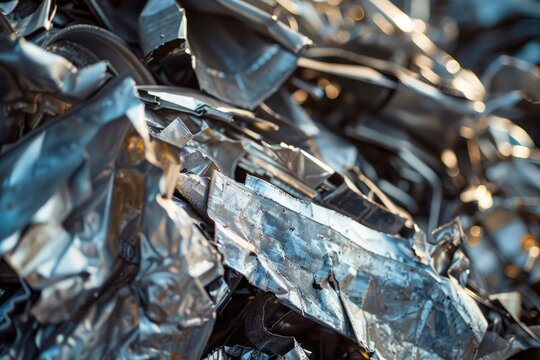
As recycling demands grow, facilities are adopting more advanced sorting technologies. Sensor-based sorting uses a combination of X-ray, infrared, and optical sensors to identify metals by their unique signatures. These systems can distinguish between different alloys, grades, and even detect coatings or contaminants.
- X-ray fluorescence (XRF) for precise alloy identification
- Near-infrared (NIR) sensors to separate metals from plastics and glass
- Automated robotic arms for picking and sorting based on sensor data
These technologies increase sorting speed, accuracy, and safety, especially when dealing with complex or hazardous waste streams.
Shredding and Size Reduction in Metal Sorting
After initial separation, metals are often shredded into smaller pieces. This step makes it easier to sort by size and density, and prepares the material for further processing. Shredding also exposes more surface area, which helps remove coatings, insulation, and other contaminants.
- Improves efficiency of downstream sorting equipment
- Enables more precise separation by weight or density
- Reduces transportation costs by compacting material
To learn more about what happens after sorting, see how scrap metal is processed for reuse and manufacturing.
Quality Control and Final Sorting Steps
Before metals are sent to smelters or manufacturers, final quality checks are performed. This may involve manual inspection, additional magnetic or sensor-based sorting, and removal of any remaining contaminants. The goal is to ensure that each batch meets strict industry standards for purity and composition.
- Sampling and testing for alloy content
- Removing non-metallic inclusions or hazardous materials
- Sorting by grade for specific manufacturing applications
For examples of how these sorted metals are used, see the article on how recycled metal is used in manufacturing.
Environmental and Economic Benefits of Effective Metal Sorting
Accurate separation of metals is not just a technical requirement—it’s a driver of sustainability and profitability. By recovering more usable material, recyclers reduce the need for mining and lower greenhouse gas emissions. Well-sorted metals command higher prices and are more readily accepted by manufacturers, closing the loop in the circular economy.
- Reduces environmental footprint of metal production
- Supports local economies and green jobs
- Promotes resource conservation and responsible consumption
For a comparison of recycled versus virgin metals, see the discussion on the difference between recycled and virgin metal.
Frequently Asked Questions
What are the main methods used to separate metals for recycling?
The most common techniques include manual sorting, magnetic separation for ferrous metals, eddy current separation for non-ferrous metals, and sensor-based sorting for more precise identification. Shredding and size reduction are also used to prepare materials for further separation.
Why is it important to sort metals before recycling?
Proper sorting ensures that recycled metals are pure and suitable for reuse in manufacturing. It prevents contamination, increases the value of recycled materials, and helps recycling facilities operate more efficiently.
Can all types of metals be recycled together?
No, different metals must be separated to avoid contamination and ensure quality. Ferrous and non-ferrous metals require different processing methods, and even within those categories, specific alloys often need to be sorted for specialized applications.
How does technology improve the sorting of metals?
Advanced technologies like X-ray fluorescence, infrared sensors, and automated robotic systems allow for faster, more accurate sorting. These systems can identify metals by their unique properties, improving recovery rates and reducing manual labor.