

The ability to reuse metals repeatedly is a cornerstone of sustainable manufacturing and environmental stewardship. Many people wonder how long metals can be recycled before their quality diminishes. Understanding the recycling lifespan of different metals helps businesses, manufacturers, and consumers make informed decisions about resource management and waste reduction. This article explores the durability of recycled metals, the science behind their reuse, and practical implications for industries and individuals alike.
Metal recycling is not only about reducing landfill waste but also about conserving energy and raw materials. By learning how various metals behave through multiple recycling cycles, we can better appreciate the value of scrap metal and its role in a circular economy. For those interested in the broader environmental impact, you can read more about how metal recycling reduces landfill waste.
Understanding the Recycling Lifespan of Metals
The question of how long metals can be recycled without significant quality loss depends on the type of metal and the recycling process involved. Unlike many materials that degrade with each cycle, most metals retain their fundamental properties even after repeated melting and reforming. This makes metals unique in the recycling world and highly valuable for sustainable production.
The main factors influencing the longevity of recycled metals include:
- Type of metal (ferrous vs. non-ferrous)
- Purity and contamination levels
- Recycling technology and process control
- End-use application requirements
Metals That Can Be Recycled Indefinitely
Some metals can be recycled an unlimited number of times without losing their essential properties. This remarkable characteristic is especially true for aluminum and steel.
Aluminum: The Infinite Loop
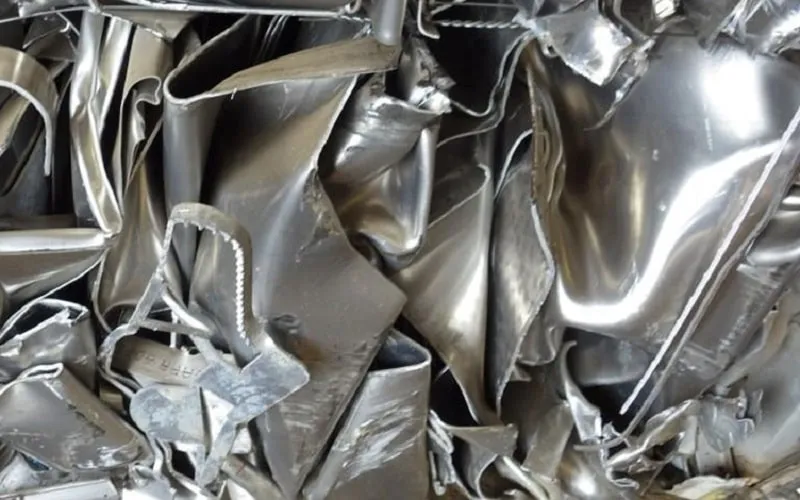
Aluminum is one of the most recycled materials worldwide. It can be melted down and reused endlessly, with no loss in quality or performance. This is why recycled aluminum is commonly found in beverage cans, car parts, construction materials, and even aerospace components.
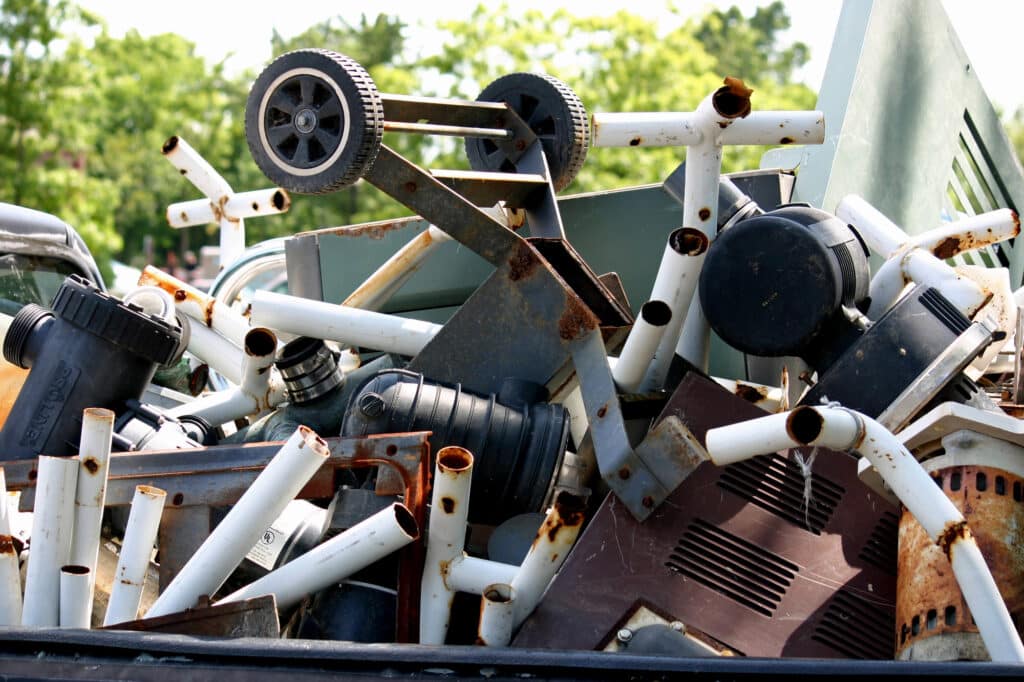
The energy savings from recycling aluminum are substantial—recycling uses only about 5% of the energy required to produce new aluminum from ore. This efficiency, combined with the metal’s ability to be recycled indefinitely, makes aluminum a model of sustainability.
Steel: Endless Reuse in Industry
Steel is another metal that can be recycled over and over without losing its strength or durability. Whether it’s used in construction beams, appliances, or vehicles, recycled steel performs just as well as newly manufactured steel. The process involves melting down scrap, removing impurities, and reforming the material into new products.
The steel industry is one of the largest consumers of recycled materials. In fact, most new steel contains a significant percentage of recycled content. This closed-loop system reduces the need for mining and lowers greenhouse gas emissions.
Metals With Limited Recycling Cycles
While many metals can be recycled indefinitely, some experience gradual quality loss over multiple cycles. This is often due to contamination, alloying elements, or changes in microstructure during repeated processing.
Copper: High Value, Some Limitations
Copper is highly sought after for its conductivity and versatility. It can be recycled many times, but trace impurities may accumulate over successive cycles, especially if the scrap is not carefully sorted. Advanced refining methods can restore copper’s purity, but in some cases, recycled copper is downcycled into products where ultra-high purity is not required.
Other Metals: Zinc, Lead, and Specialty Alloys
Metals like zinc and lead can also be recycled multiple times, but they are more susceptible to contamination and oxidation. Specialty alloys, such as those used in electronics or aerospace, may have stricter requirements for purity and performance. As a result, these materials might be recycled fewer times before being downgraded or used in less demanding applications.
Factors That Affect Metal Recycling Quality
The longevity of recycled metals depends on several key factors:
- Contamination: Non-metallic impurities, coatings, or mixed metals can reduce the quality of recycled output.
- Sorting and Separation: Effective sorting ensures that metals are recycled into appropriate streams, preserving their properties.
- Process Control: Modern recycling facilities use advanced technologies to minimize loss of quality during melting and purification. For more on this, see how how metal is melted and purified for reuse.
- End-Use Requirements: Some applications demand higher purity or specific alloy compositions, which can limit the number of recycling cycles for certain metals.
How Industries Benefit From Repeated Metal Recycling
The ability to recycle metals multiple times without significant degradation is a major advantage for industries such as construction, automotive, and electronics. Using recycled metals reduces costs, conserves natural resources, and lowers environmental impact. In the construction sector, for example, the use of recycled steel and aluminum is standard practice. Learn more about metal recycling in construction industry and its benefits.
Manufacturers also benefit from the consistent quality and availability of recycled metals. This reliability supports the production of everything from consumer goods to infrastructure projects, ensuring a steady supply chain and reducing dependence on raw material extraction.
Best Practices for Maximizing Metal Recycling Quality
To ensure that metals can be recycled as many times as possible, it’s important to follow best practices throughout the collection, sorting, and processing stages:
- Properly separate different types of metals before recycling
- Remove non-metallic contaminants such as plastics, paints, and adhesives
- Use advanced shredding and sorting equipment for efficient processing
- Partner with reputable recycling facilities that use state-of-the-art purification methods
For a closer look at how foundries contribute to the recycling process, see the role of foundries in recycling.
Common Uses for Recycled Metals
Recycled metals are used in a wide range of products and industries. Some common applications include:
- Beverage cans and packaging
- Automotive parts and frames
- Construction materials (beams, rebar, roofing)
- Appliances and electronics
- Industrial machinery
For insights into how different types of scrap metal are utilized after recycling, visit this resource on how various recycled scrap metals are used in manufacturing.
Frequently Asked Questions
Can metals really be recycled forever?
Most pure metals, such as aluminum and steel, can be recycled indefinitely without losing their core properties. However, some metals and alloys may experience gradual quality loss due to contamination or changes in composition.
What causes metals to lose quality during recycling?
Quality loss typically results from contamination, improper sorting, or the accumulation of unwanted elements during repeated recycling cycles. Advanced purification and sorting technologies help minimize these issues.
How can I ensure my scrap metal is recycled efficiently?
To maximize recycling efficiency, separate metals by type, remove any non-metallic materials, and deliver scrap to certified recycling centers. Using proper equipment, like a shredding machine, can also improve processing quality.
Are there environmental benefits to recycling metals multiple times?
Yes, recycling metals reduces the need for mining, conserves energy, and lowers greenhouse gas emissions. The more times a metal is recycled, the greater the cumulative environmental benefit.