
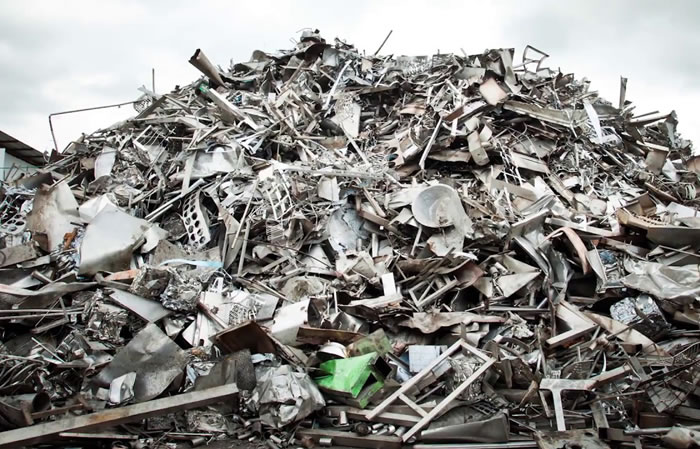
The metal recycling industry is on the cusp of a technological revolution. As environmental concerns and resource scarcity drive innovation, new technologies are emerging to enhance the efficiency and effectiveness of metal recycling processes. This article explores the latest advancements and trends shaping the future of this vital industry.
Before diving into the specifics, it’s important to understand how these innovations can impact related fields. For instance, stamping press vibration control tips can significantly improve precision in metalworking, which is closely linked to recycling processes.
Advancements in Sorting Technologies
One of the most significant advancements in metal recycling is the development of sophisticated sorting technologies. These systems use sensors and artificial intelligence to accurately identify and separate different types of metals. This not only increases the purity of recycled materials but also reduces the labor costs associated with manual sorting.
Automation and Robotics
Automation is transforming the recycling industry by introducing robots that can handle repetitive tasks with precision and speed. These robots are equipped with advanced sensors and machine learning algorithms, allowing them to adapt to different types of scrap metals and optimize the recycling process.
Environmental Impact and Sustainability
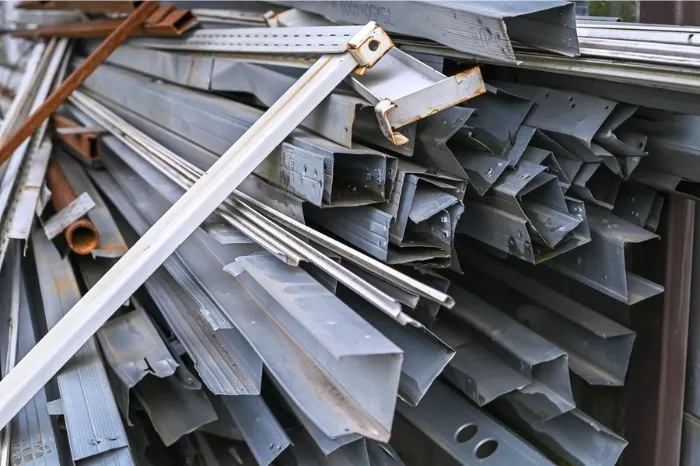
As the world becomes more environmentally conscious, the metal recycling industry is focusing on sustainability. New technologies are being developed to minimize the environmental impact of recycling processes. For example, innovations in energy-efficient machinery and the use of renewable energy sources are helping to reduce the carbon footprint of recycling operations.
Innovative Business Models
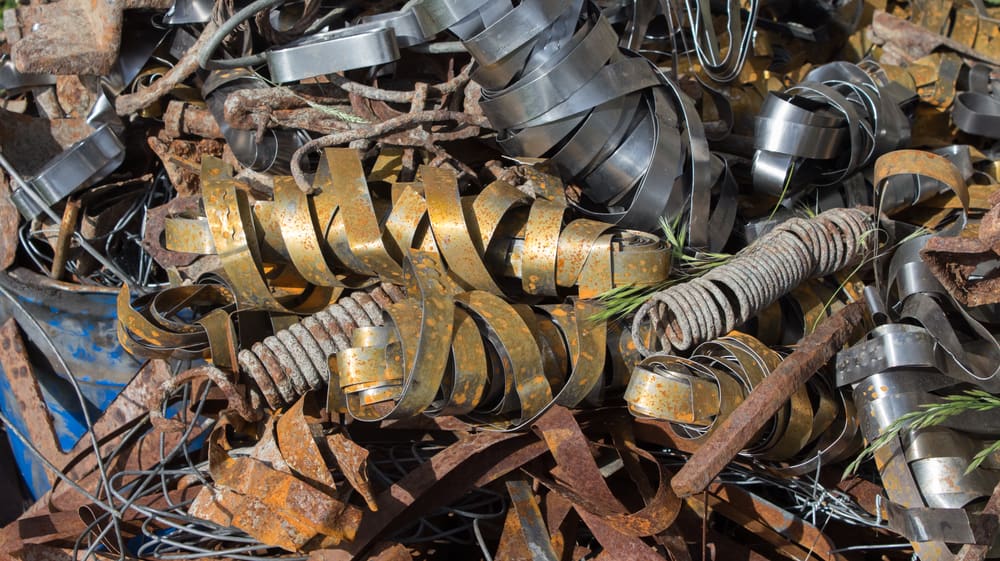
The future of metal recycling is also being shaped by innovative business models. Companies are exploring new ways to engage with consumers and businesses to encourage recycling. Subscription-based services for scrap collection and partnerships with manufacturers to create closed-loop systems are just a few examples of how the industry is evolving.
For more insights into how these changes might affect related industries, consider exploring the differences between hydraulic and mechanical stamping presses.
Global Trends and Challenges
Globally, the metal recycling industry faces both opportunities and challenges. While technological advancements offer significant benefits, issues such as regulatory changes and market volatility can impact the industry’s growth. Staying informed about these trends is crucial for businesses looking to thrive in this dynamic environment.
For a deeper understanding of the broader impact of these technologies, you can read about the latest developments in construction materials recycling.
FAQs
What are the benefits of advanced sorting technologies in metal recycling?
Advanced sorting technologies improve the efficiency and accuracy of separating different metals, leading to higher purity and reduced labor costs.
How does automation impact the metal recycling industry?
Automation introduces robots that can perform repetitive tasks quickly and accurately, optimizing the recycling process and reducing human error.
What role does sustainability play in the future of metal recycling?
Sustainability is a key focus, with new technologies aiming to reduce the environmental impact of recycling through energy-efficient machinery and renewable energy use.