
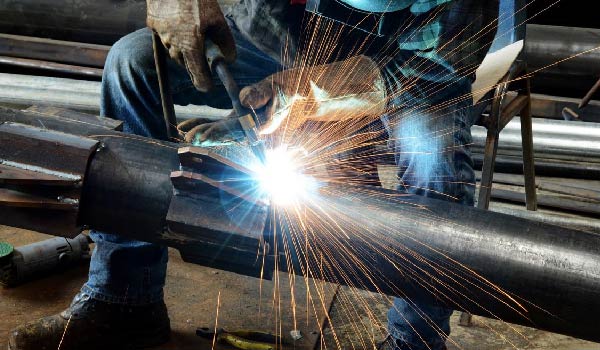
Fume extraction in metal fabrication is a critical aspect of workplace safety and operational efficiency. During welding, cutting, grinding, and other fabrication processes, hazardous fumes and particulates are released into the air. These airborne contaminants can pose serious health risks to workers and compromise the quality of finished products. Implementing effective fume management systems is not only a regulatory requirement but also a fundamental component of responsible manufacturing.
This article explores the importance of robust fume control, key design considerations, and best practices for maintaining a safe and productive fabrication environment. We’ll also highlight how these systems contribute to broader sustainability goals, referencing resources like environmental responsibility in steel companies to provide additional context.
Why Fume Control Matters in Metal Shops
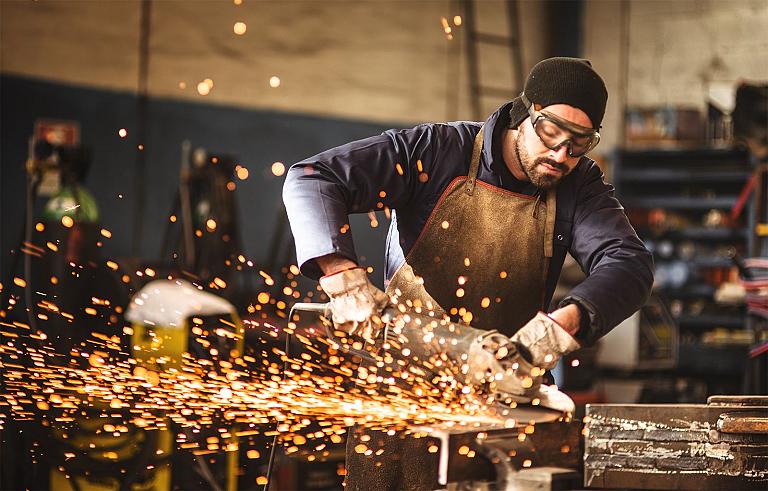
The processes involved in metalworking—such as welding, plasma cutting, and grinding—generate fumes containing metals, gases, and fine particulates. Prolonged exposure to these substances can lead to respiratory diseases, skin irritation, and even long-term health conditions like cancer. Beyond health, excessive fume accumulation can damage sensitive equipment, reduce visibility, and create fire hazards.
Regulatory bodies such as OSHA and local environmental agencies set strict limits on permissible exposure levels for various airborne contaminants. Non-compliance can result in fines, legal action, and reputational harm. Therefore, investing in proper fume management is essential for both legal and ethical reasons.
Key Components of Effective Fume Extraction Systems
A well-designed fume extraction setup in a fabrication facility typically includes several integrated elements. Each plays a role in capturing, filtering, and safely venting hazardous substances away from workers and sensitive areas.
- Source Capture Devices: These include extraction arms, downdraft tables, and hoods positioned close to the fume source to collect contaminants before they disperse.
- Filtration Units: High-efficiency particulate air (HEPA) filters, activated carbon filters, and electrostatic precipitators remove harmful particles and gases from the airstream.
- Ductwork and Ventilation: Properly sized ducts and fans transport contaminated air to filtration units or exhaust points, maintaining negative pressure in work zones.
- Control Systems: Automated sensors and controls optimize airflow, monitor filter status, and ensure consistent operation.
Integrating these components ensures that fumes are efficiently removed at the source, minimizing worker exposure and maintaining air quality throughout the facility.
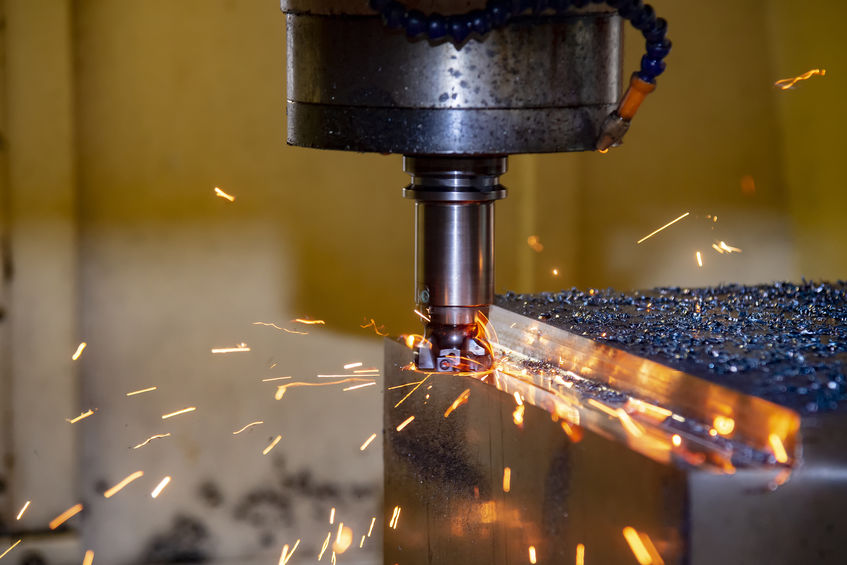
Design Considerations for Fume Extraction in Metal Fabrication
When planning a fume management system for a metalworking facility, several factors must be evaluated to ensure optimal performance and compliance. The following considerations are essential for tailoring solutions to specific shop layouts and processes:
- Process Type: Different fabrication methods produce varying types and volumes of fumes. For example, MIG welding generates different contaminants than plasma cutting or laser operations.
- Workspace Layout: The size, ceiling height, and arrangement of workstations influence airflow patterns and the placement of extraction points.
- Worker Mobility: In shops where tasks are performed at multiple locations, portable extraction units or flexible arms may be preferable to fixed hoods.
- Filtration Needs: The choice of filters depends on the specific metals and chemicals involved. Some applications require specialized filters for hexavalent chromium or oil mist.
- Energy Efficiency: Modern systems can be equipped with variable speed fans and smart controls to reduce energy consumption while maintaining effective fume removal.
Consulting with experienced engineers and referencing resources such as advanced materials recovery systems can help ensure that the chosen solution aligns with both safety and sustainability goals.
Health and Environmental Benefits of Proper Fume Management
The primary benefit of robust fume control is the protection of worker health. By minimizing exposure to hazardous substances, companies can reduce absenteeism, improve morale, and lower healthcare costs. Clean air also prevents the buildup of residues on equipment and surfaces, extending the lifespan of machinery and reducing maintenance needs.
From an environmental perspective, capturing and filtering fumes before they are released into the atmosphere helps facilities meet emissions standards and reduce their ecological footprint. This aligns with broader industry trends toward industrial sustainability case studies metals and responsible resource management.
For companies seeking to enhance their reputation and attract environmentally conscious clients, investing in state-of-the-art fume extraction is a clear demonstration of commitment to both people and the planet.
Best Practices for Maintaining Fume Extraction Systems
To ensure ongoing protection and compliance, regular inspection and maintenance of fume extraction equipment is essential. Here are some recommended practices:
- Routine Filter Replacement: Clogged or saturated filters reduce airflow and filtration efficiency. Establish a schedule for checking and replacing filters based on manufacturer recommendations and usage levels.
- System Performance Monitoring: Use airflow meters and pressure gauges to detect drops in performance, which may indicate blockages or mechanical issues.
- Employee Training: Workers should be trained to recognize signs of inadequate fume removal and to report issues promptly.
- Documentation: Keep detailed records of maintenance activities, inspections, and any repairs performed on the system.
Adhering to these practices not only protects workers but also extends the life of the equipment and helps avoid costly downtime.
Integrating Fume Extraction with Broader Sustainability Initiatives
Modern fabrication facilities are increasingly focused on minimizing their environmental impact. Fume extraction systems can be integrated with other sustainability measures, such as best practices for metal waste reduction and advanced recycling technologies. By capturing and treating airborne contaminants, companies can recover valuable materials and reduce overall waste.
For further insight into how fume management fits into a holistic approach to sustainability, consider exploring sustainability and recycling in the metallurgy industry. These strategies not only support regulatory compliance but also contribute to long-term operational resilience and community trust.
Frequently Asked Questions
What are the main health risks associated with poor fume control in metalworking?
Exposure to welding fumes, metal dust, and chemical vapors can cause respiratory illnesses, skin irritation, and increase the risk of chronic diseases such as asthma and cancer. Proper fume extraction is essential to minimize these risks and ensure a safe workplace.
How often should fume extraction filters be replaced?
The frequency of filter replacement depends on the type of fabrication process, volume of fumes generated, and manufacturer guidelines. As a general rule, filters should be inspected monthly and replaced as soon as they show signs of clogging or reduced airflow.
Can fume extraction systems help with environmental compliance?
Yes, effective fume management helps facilities meet air quality regulations by capturing hazardous substances before they are released into the environment. This not only protects workers but also supports broader sustainability and compliance objectives.
Are portable fume extractors as effective as fixed systems?
Portable units can be highly effective for localized tasks or in shops with flexible layouts. However, for large-scale operations or continuous processes, fixed systems with centralized filtration often provide more consistent performance and easier maintenance.
Conclusion
Investing in high-quality fume extraction solutions is essential for safeguarding worker health, ensuring regulatory compliance, and supporting sustainable manufacturing practices. By understanding the unique needs of each facility and following best practices for system design and maintenance, metal fabrication shops can create safer, cleaner, and more efficient work environments.
For those interested in further enhancing their operations, exploring innovations in metal recycling technology can provide valuable insights into the future of responsible metalworking.