
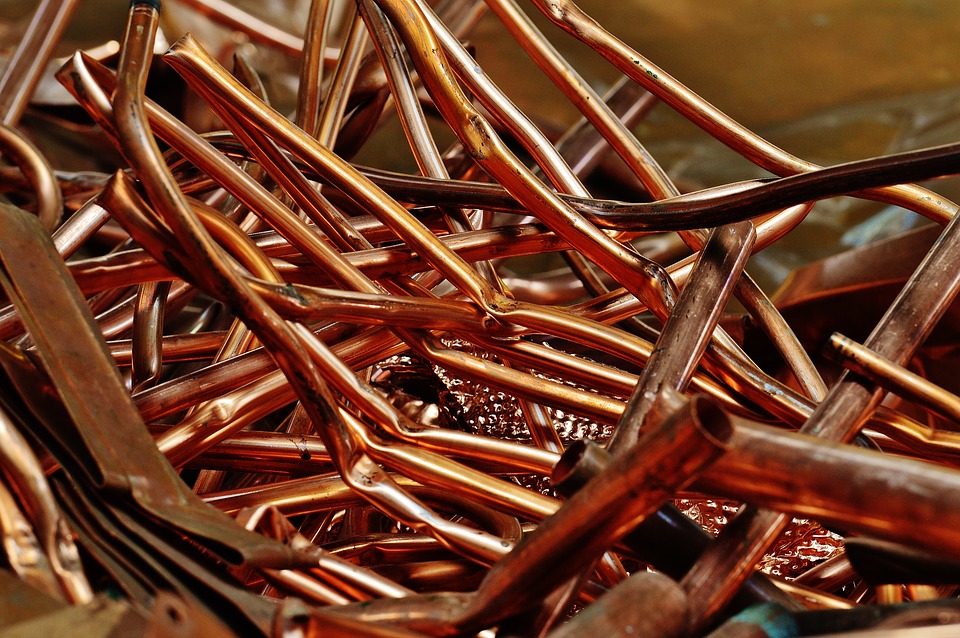
The environmental impact of metal recycling is a topic of growing importance as industries and communities seek sustainable solutions to manage resources and reduce landfill waste. By reprocessing metals, we not only conserve natural resources but also lower greenhouse gas emissions and energy consumption. Understanding how recycling metals contributes to environmental protection can help businesses, policymakers, and individuals make more informed decisions about waste management and resource conservation.
This article explores the key ways that recycling metals benefits the environment, highlights the processes involved, and provides practical steps for maximizing the positive outcomes of these efforts. For a detailed overview of how metals are reprocessed, see the metal recycling process explained guide.
How Metal Recycling Reduces Environmental Harm
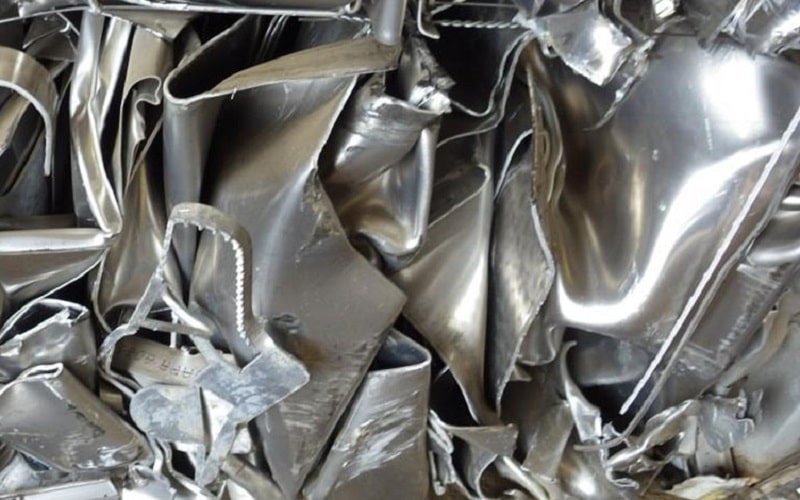
One of the most significant benefits of reusing metals is the reduction of waste sent to landfills. Metals like aluminum, copper, and steel can be recycled repeatedly without losing their properties. This means less mining is required, which in turn preserves natural habitats and reduces the ecological footprint of metal production.
The environmental impact of metal recycling extends beyond waste reduction. By diverting scrap metal from landfills, recycling helps prevent soil and water contamination that can result from the breakdown of metal-containing products. Additionally, recycling metals uses far less energy compared to extracting and refining raw materials. For example, recycling aluminum saves up to 95% of the energy needed to produce new aluminum from bauxite ore.
Energy Savings and Emissions Reduction
The process of recycling metals is significantly more energy-efficient than primary production. Smelting and refining raw ores require high temperatures and substantial energy input, often from fossil fuels. In contrast, melting down scrap metal for reuse consumes much less energy, leading to lower carbon dioxide emissions and a smaller carbon footprint.
According to industry research, recycling steel saves about 60% of the energy compared to new steel production, while copper recycling saves up to 85%. These savings translate directly into fewer greenhouse gases released into the atmosphere, helping to combat climate change.
Conserving Natural Resources Through Metal Reuse
Mining for virgin metals is a resource-intensive process that disrupts ecosystems and depletes finite reserves. By prioritizing the reuse of existing materials, we can conserve valuable resources for future generations. This approach also reduces the demand for new mining operations, which are often associated with deforestation, water pollution, and loss of biodiversity.
For more insights into the differences between recycled and newly mined metals, the article on the difference between recycled and virgin metal offers a comprehensive comparison.
Reducing Landfill Waste and Pollution
Landfills are a major source of environmental pollution, emitting methane and leaching harmful substances into soil and groundwater. By recycling metals, we can dramatically reduce the volume of waste that ends up in these sites. This not only conserves space but also minimizes the risk of toxic leachate contaminating the environment.
Many industrial sectors are recognizing the importance of metal recycling in industry as a way to achieve sustainability targets and reduce operational costs. To learn more about this trend, see the article on importance of metal recycling in industry.
Applications and Benefits of Recycled Metals
Recycled metals are widely used in manufacturing, construction, and consumer products. Their versatility and quality make them suitable for everything from automotive parts to electronics and packaging. Utilizing recycled materials reduces the need for new raw materials and supports a circular economy, where resources are kept in use for as long as possible.
For a closer look at how recycled metals are integrated into manufacturing, visit the guide on how recycled metal is used in manufacturing. Additionally, understanding how scrap metal is processed can help businesses and individuals optimize their recycling practices.

Best Practices for Maximizing Environmental Benefits
To fully realize the positive effects of metal recycling, it is essential to follow best practices throughout the collection, sorting, and processing stages. Here are some practical steps:
- Separate metals at the source: Sorting ferrous and non-ferrous metals improves recycling efficiency and material quality.
- Partner with certified recyclers: Work with reputable facilities that adhere to environmental and safety standards.
- Educate employees and communities: Raising awareness about the value of recycling encourages participation and reduces contamination in recycling streams.
- Invest in modern equipment: Upgrading to efficient shredders and sorting systems can increase recovery rates and lower operational costs.
For more information on the practical uses of recycled scrap, the article on how different types of recycled scrap metal are used provides valuable insights.
Frequently Asked Questions
What are the main environmental benefits of recycling metals?
Recycling metals reduces the need for mining, conserves energy, lowers greenhouse gas emissions, and minimizes landfill waste. These benefits help protect ecosystems and support sustainable resource management.
How does metal recycling help reduce pollution?
By diverting metals from landfills, recycling prevents the release of toxic substances into soil and water. It also reduces air pollution by lowering the energy required for metal production, which typically relies on fossil fuels.
Can all metals be recycled indefinitely?
Most metals, including aluminum, copper, and steel, can be recycled multiple times without losing their properties. This makes them ideal candidates for a circular economy and long-term sustainability.