
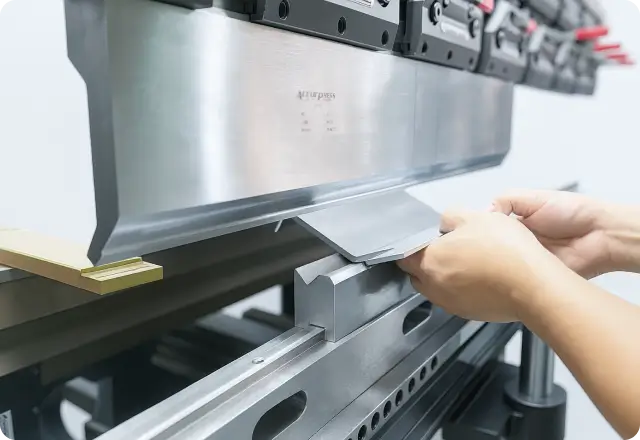
Metal fabrication is a cornerstone of modern industry, providing essential components for construction, transportation, electronics, and countless other sectors. However, the environmental impact of metal fabrication is a growing concern for manufacturers, regulators, and communities alike. From resource extraction to processing and waste management, each stage of the fabrication process can contribute to pollution, greenhouse gas emissions, and resource depletion. Understanding these challenges is the first step toward building a more sustainable future for the industry.
As sustainability becomes a priority, companies are seeking new ways to reduce their ecological footprint. This article explores the main environmental challenges associated with metalworking, highlights innovative solutions, and offers practical steps for businesses aiming to adopt greener practices. For those interested in process-specific improvements, you can also review best practices for stamping coated steels to minimize damage and waste.
Key Environmental Challenges in Metalworking
The environmental impact of metal fabrication stems from several interconnected factors. These include energy consumption, emissions, waste generation, and the use of hazardous substances. Each of these issues can have significant consequences for air, water, and soil quality.
- Energy Use: Metalworking processes such as cutting, welding, and forming are energy-intensive. Most facilities rely on electricity generated from fossil fuels, leading to substantial carbon emissions.
- Air Pollution: Operations like welding and surface treatment release volatile organic compounds (VOCs), particulate matter, and greenhouse gases into the atmosphere.
- Water Contamination: The use of coolants, lubricants, and cleaning agents can result in wastewater containing heavy metals and chemicals, posing risks to local water supplies.
- Solid Waste: Scrap metal, slag, and packaging materials contribute to landfill waste if not properly recycled or managed.
- Hazardous Materials: Some fabrication processes involve toxic substances such as solvents, acids, and plating chemicals, which require careful handling and disposal.
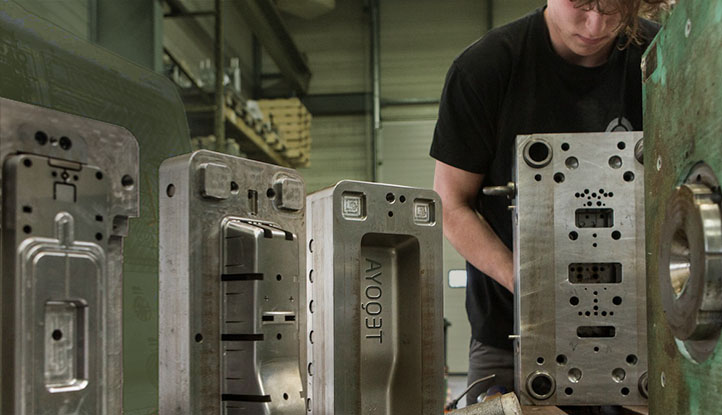
Reducing the Footprint: Sustainable Practices in Metal Fabrication
Addressing the environmental impact of metal fabrication requires a combination of technology, process optimization, and cultural change within organizations. Here are some of the most effective strategies being adopted across the industry:
1. Energy Efficiency and Renewable Power
Upgrading to energy-efficient machinery and lighting, implementing smart controls, and optimizing production schedules can significantly reduce electricity use. Many companies are also investing in on-site renewable energy sources, such as solar panels, to further cut emissions.
2. Waste Minimization and Recycling
By improving process accuracy and material utilization, manufacturers can generate less scrap. Establishing robust recycling programs for metal offcuts, packaging, and even used oils helps divert waste from landfills and reduces the need for virgin materials.
3. Cleaner Production Techniques
Adopting water-based or low-VOC coatings, using closed-loop water systems, and switching to less hazardous chemicals can lower pollution levels. Innovations in dry machining and advanced filtration systems also help minimize environmental harm.
4. Responsible Sourcing and Supply Chain Management
Choosing suppliers committed to sustainable mining and ethical labor practices ensures that environmental and social impacts are considered throughout the product lifecycle. Certifications and audits can help verify compliance with green standards.
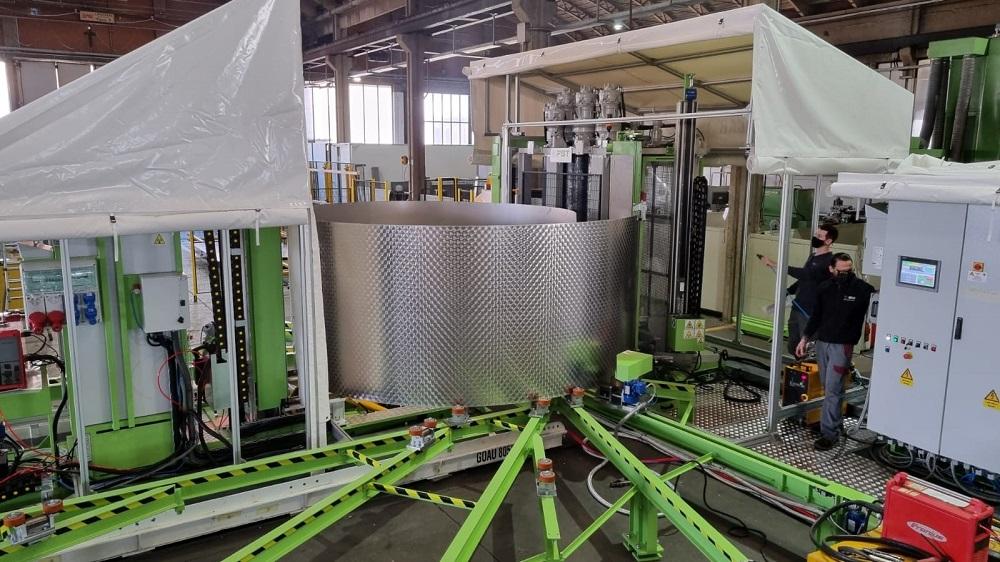
Innovative Technologies for a Greener Industry
The adoption of advanced technologies is transforming how companies address the environmental impact of metal fabrication. Digitalization, automation, and new materials are enabling more precise, less wasteful production.
- Automation and Robotics: Automated systems can optimize cutting paths, reduce errors, and minimize scrap, leading to less material waste and lower energy usage.
- Digital Twins and Simulation: Virtual modeling allows engineers to test and refine processes before implementation, reducing trial-and-error waste.
- Green Materials: The use of recycled metals and alloys with lower environmental footprints is becoming more common, further reducing the need for resource extraction.
- Closed-Loop Manufacturing: Integrating recycling and reuse directly into the production line helps create a circular economy within the plant.
Regulations and Industry Standards
Compliance with environmental regulations is not only a legal requirement but also a driver for innovation. Governments worldwide are tightening standards on emissions, waste disposal, and chemical use in manufacturing. Industry certifications, such as ISO 14001 for environmental management, encourage companies to adopt systematic approaches to sustainability.
Staying ahead of regulatory changes can also provide a competitive advantage. Proactive companies are often better positioned to win contracts, attract eco-conscious customers, and avoid costly penalties.
Practical Steps for Metal Fabricators
For businesses looking to reduce their ecological footprint, the following steps can make a significant difference:
- Conduct an Environmental Audit: Assess current operations to identify major sources of emissions, waste, and inefficiency.
- Set Measurable Goals: Define clear targets for energy use, waste reduction, and emissions, and track progress over time.
- Engage Employees: Training staff on sustainability best practices and involving them in improvement initiatives fosters a culture of responsibility.
- Collaborate with Partners: Work with suppliers, customers, and industry groups to share knowledge and drive collective progress.
- Leverage Available Resources: There are many guides and technical resources available, such as those on steel stamping edge quality optimization and how to manage lubrication runoff in stamping, which can help improve specific aspects of your operation.
Industry Examples and Further Resources
Many leading companies are already demonstrating what’s possible through innovation and commitment to sustainability. For a deeper look at real-world strategies and the latest trends, explore this comprehensive overview of sustainability in metal fabrication. These case studies can provide inspiration and practical ideas for businesses at any stage of their sustainability journey.
Frequently Asked Questions
What are the main sources of pollution in metal fabrication?
The primary sources include energy consumption (leading to greenhouse gas emissions), air pollutants from welding and coating, wastewater containing heavy metals, and solid waste such as scrap metal and packaging. Hazardous chemicals used in cleaning and surface treatment can also contribute to environmental harm if not managed properly.
How can manufacturers reduce waste in metalworking?
Waste reduction can be achieved by improving material utilization, implementing recycling programs, and adopting precision manufacturing techniques. Using digital tools for process simulation and investing in employee training also help minimize errors and scrap generation.
Are there certifications for sustainable metal fabrication?
Yes, certifications such as ISO 14001 for environmental management and other industry-specific standards encourage companies to adopt best practices in sustainability. These certifications often require regular audits and continuous improvement efforts.