
The demand for energy efficient metal fabrication is rising as manufacturers seek to reduce operational expenses and minimize their environmental impact. By adopting smarter processes and technologies, fabrication shops can lower energy consumption, cut utility bills, and improve their overall sustainability profile. This article explores practical strategies and proven methods that help metalworking businesses achieve both cost savings and greener operations.
Understanding how to optimize energy use in fabrication isn’t just about upgrading equipment—it also involves process improvements, material choices, and a commitment to continuous efficiency gains. For those interested in related process optimizations, our guide on stamping press vibration control tips offers additional insights for precision and energy savings.
Key Benefits of Adopting Energy-Saving Fabrication Techniques
Implementing energy efficient metal fabrication practices delivers a range of advantages for manufacturers and fabricators:
- Reduced operating costs: Lower energy bills translate directly into higher profit margins.
- Improved environmental footprint: Less energy use means fewer greenhouse gas emissions and a smaller carbon footprint.
- Enhanced competitiveness: Energy savings can be reinvested in new technology or passed along as cost savings to customers.
- Regulatory compliance: Meeting or exceeding energy efficiency standards helps avoid fines and supports eligibility for green certifications.
- Equipment longevity: Efficient processes often result in less wear and tear, reducing maintenance needs and extending machine life.
Modern Approaches to Energy Efficient Metal Fabrication
Today’s metalworking industry has access to a variety of tools and methods designed to cut energy usage without sacrificing quality or throughput. Here are some of the most effective approaches:
Upgrading to High-Efficiency Machinery
One of the most impactful steps is replacing outdated equipment with modern, energy-saving alternatives. For example, servo-driven presses and fiber laser cutters use significantly less power than their hydraulic or CO2 counterparts. Variable frequency drives (VFDs) on motors and pumps also allow machines to operate only at the speed required, reducing unnecessary energy draw.
Process Optimization and Automation
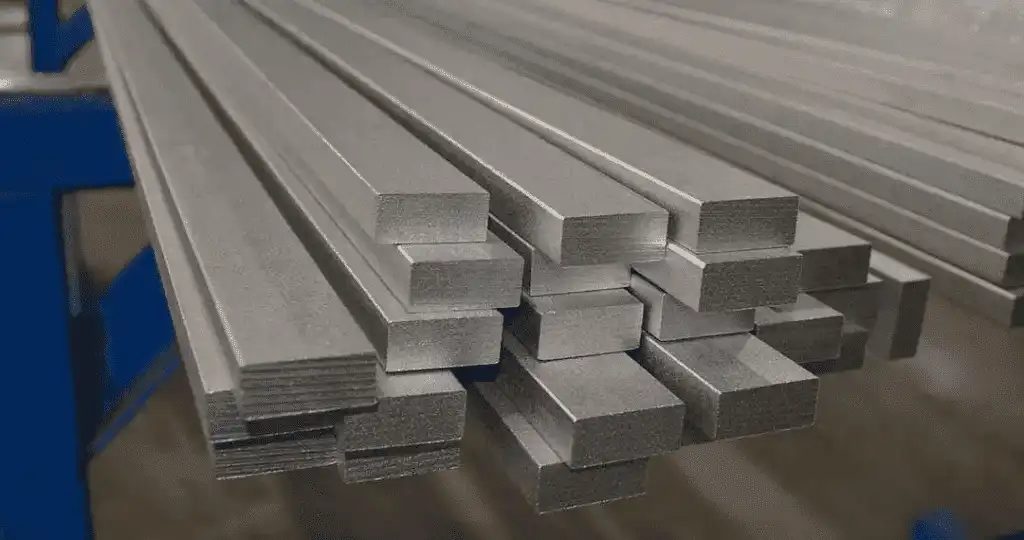
Streamlining workflows can yield substantial energy savings. Automated material handling, optimized cutting paths, and real-time monitoring systems help reduce idle time and eliminate unnecessary movements. These improvements not only lower energy consumption but also boost productivity and consistency.
For example, automating the loading and unloading of sheet metal in stamping operations can cut cycle times and reduce the energy spent on each part. Integrating sensors and data analytics enables predictive maintenance, ensuring machines run at peak efficiency and avoiding energy waste from breakdowns or suboptimal performance.
Material Selection and Waste Reduction
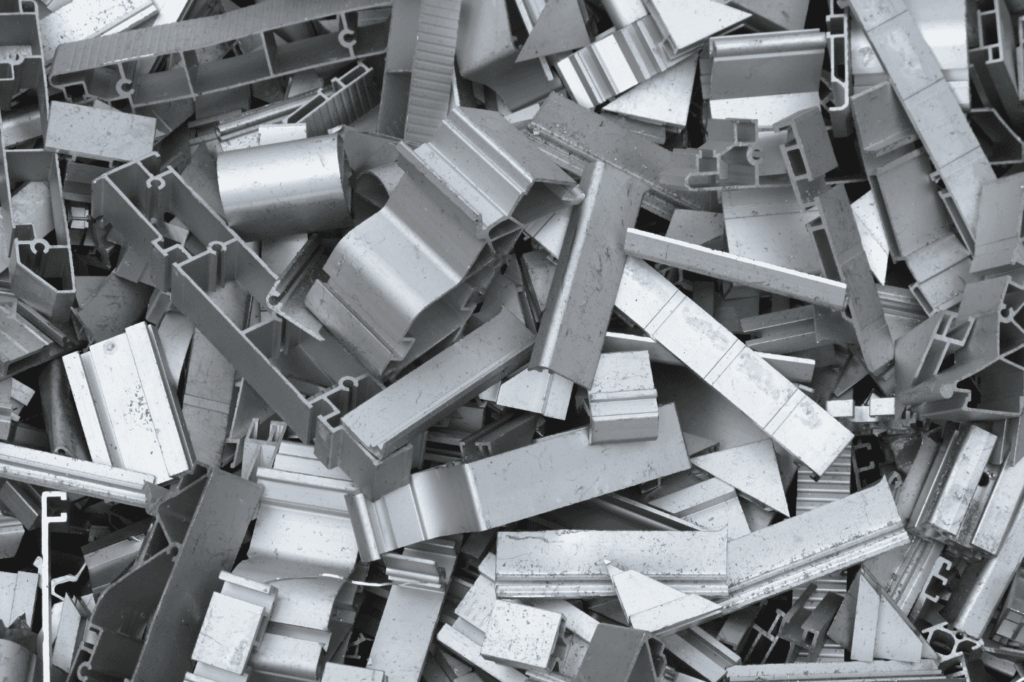
Choosing the right materials and minimizing scrap can further enhance energy efficiency. High-strength alloys may require less processing, and using pre-cut or near-net-shape materials reduces the energy needed for forming and finishing. Recycling scrap metal within the facility also conserves energy compared to sourcing new raw materials.
Energy Management Systems and Monitoring
Implementing a plant-wide energy management system (EMS) allows fabricators to track energy use in real time, identify inefficiencies, and set measurable reduction targets. These systems can pinpoint which machines or processes consume the most power, making it easier to prioritize upgrades or process changes.
Many EMS solutions offer automated reporting and alerts, helping teams quickly respond to spikes in consumption or unexpected equipment behavior. Over time, these insights support a culture of continuous improvement and help justify investments in further efficiency measures.
Best Practices for Sustainable Metalworking Operations
Beyond equipment and process changes, a holistic approach to sustainability in metal fabrication involves staff training, regular audits, and a commitment to ongoing improvement. Some proven best practices include:
- Employee engagement: Training operators to recognize and address energy waste, such as shutting down idle machines or optimizing machine settings.
- Routine maintenance: Keeping equipment clean and well-lubricated reduces friction and energy loss.
- Facility upgrades: Improving insulation, upgrading to LED lighting, and optimizing HVAC systems can significantly reduce overall plant energy use.
- Scheduling optimization: Running energy-intensive processes during off-peak hours can lower utility rates and reduce grid strain.
Integrating Energy Efficiency with Other Metalworking Improvements
Energy savings often go hand in hand with other process enhancements. For example, using the right lubricants can reduce friction and lower energy consumption during stamping or forming. Those interested in optimizing lubrication can refer to our resource on how to select a steel stamping lubricant for your die.
Similarly, controlling press speed and vibration not only improves part accuracy but can also reduce energy use, as discussed in our article on the impact of press speed on part accuracy.
Case Study: Real-World Impact of Greener Fabrication
Many manufacturers have documented substantial savings by embracing sustainable practices. According to this overview of greener approaches in metal fabrication, companies that invest in high-efficiency machinery and process optimization often see payback periods of less than three years. These organizations also report improved employee morale and stronger relationships with environmentally conscious clients.
The transition to more efficient operations is not always immediate, but incremental improvements—such as upgrading one machine at a time or piloting new automation systems—can quickly add up to significant cost reductions.
Frequently Asked Questions
What are the most effective ways to reduce energy use in metal fabrication?
The most impactful strategies include upgrading to energy-efficient equipment, automating repetitive tasks, optimizing process scheduling, and implementing real-time energy monitoring. Regular maintenance and employee training also play crucial roles in minimizing unnecessary energy consumption.
How does material selection influence energy efficiency?
Choosing materials that require less processing or that can be sourced in near-net shapes reduces the energy needed for forming and finishing. Recycling scrap metal within the facility further cuts down on the energy required to produce new raw materials.
Are there industry standards for energy efficient metalworking?
Yes, several standards and certifications exist, such as ISO 50001 for energy management systems. Many regions also offer incentives or rebates for facilities that meet specific energy efficiency benchmarks or adopt green manufacturing practices.