
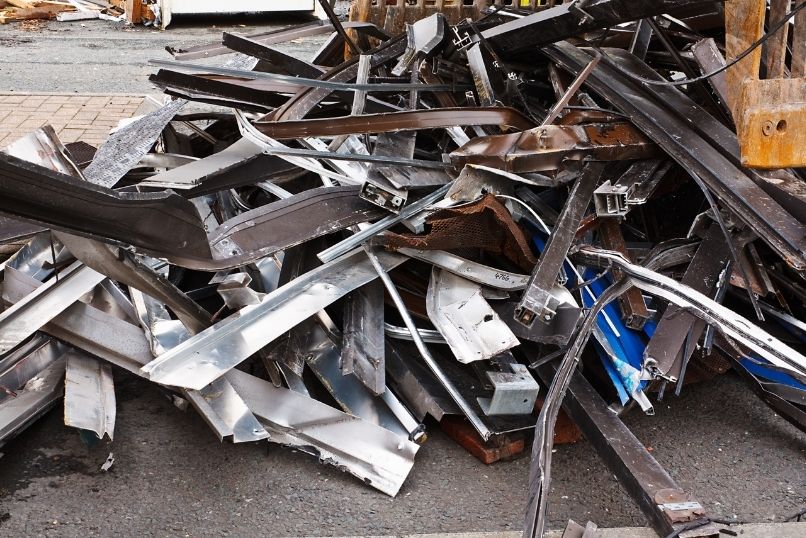
The economic value of metal recycling extends far beyond environmental benefits. As industries and governments look for ways to reduce costs, conserve resources, and minimize waste, the global market for recycled metals has become a cornerstone of sustainable economic growth. From job creation to resource efficiency, the financial impact of reusing metals is both significant and multifaceted.
Understanding the financial and industrial implications of reprocessing metals helps businesses, policymakers, and communities make informed decisions. This article explores the key drivers, benefits, and challenges associated with the global trade and reuse of metals, providing a comprehensive look at why this sector is vital for modern economies.
For those interested in related manufacturing processes, you may find insights in our guide on best practices for stamping coated steels to be especially relevant.
Global Market Impact of Metal Recycling
The international trade in recycled metals is a multi-billion-dollar industry. According to recent estimates, the worldwide market for scrap metal recycling is projected to surpass $500 billion by 2030. This growth is driven by increased demand for raw materials, urbanization, and the need for sustainable manufacturing practices.
Major economies such as the United States, China, and the European Union are leading contributors to the sector. These regions have established robust collection, sorting, and processing systems that allow them to maximize the value extracted from discarded metal products. The ability to recover and reuse metals like steel, aluminum, copper, and brass reduces dependence on newly mined resources, which are often more expensive and environmentally taxing to obtain.
Key Drivers Behind the Economic Value of Metal Recycling
Several factors contribute to the substantial financial benefits of reprocessing metals:
- Resource Conservation: Recycling metals preserves finite natural resources, reducing the need for costly mining and extraction operations.
- Energy Savings: Producing metals from recycled materials typically requires significantly less energy than processing virgin ore. For example, recycling aluminum saves up to 95% of the energy needed for primary production.
- Job Creation: The sector supports millions of jobs globally, from collection and transportation to sorting, processing, and manufacturing.
- Reduced Landfill Use: Diverting metals from landfills lowers waste management costs and extends the lifespan of existing landfill sites.
- Lower Production Costs: Manufacturers benefit from reduced material costs when using recycled metals, improving their competitiveness in the global market.
Economic Benefits for Industries and Communities
The economic value of metal recycling is especially evident in sectors such as construction, automotive, electronics, and packaging. These industries rely on a steady supply of affordable metals to maintain profitability and meet production targets. By incorporating recycled materials, companies can lower their input costs and reduce exposure to volatile commodity prices.
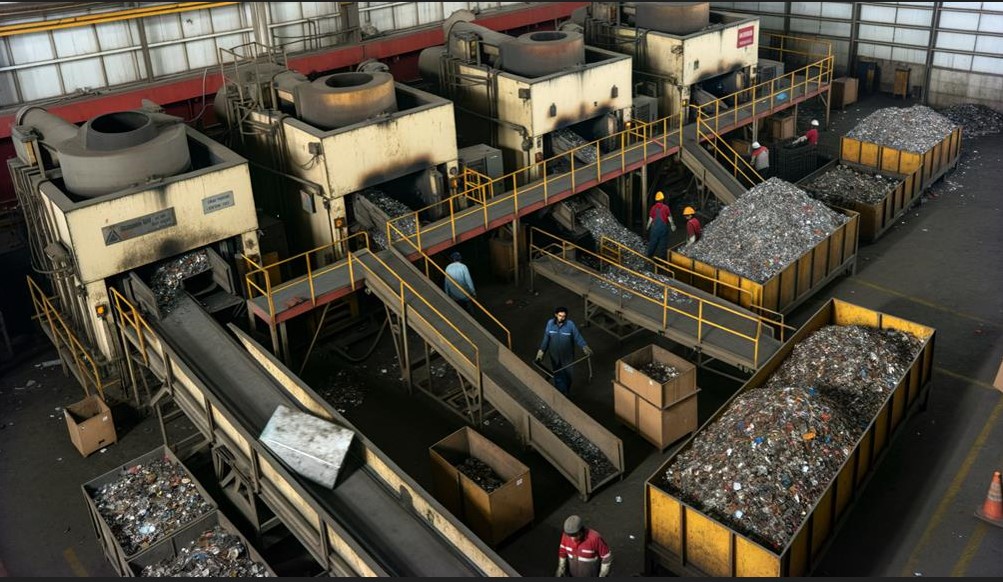
On a community level, recycling initiatives generate local employment opportunities and stimulate economic activity. Municipal recycling programs, scrap yards, and processing facilities all contribute to the local economy by providing jobs and supporting ancillary businesses.
Additionally, the environmental benefits translate into economic gains. Reduced air and water pollution, lower greenhouse gas emissions, and decreased energy consumption all help to minimize public health costs and environmental remediation expenses.
Challenges and Opportunities in the Metal Recycling Sector
While the financial and environmental advantages are clear, the industry faces several challenges. Fluctuating commodity prices, contamination of scrap materials, and the need for advanced sorting technologies can impact profitability. Furthermore, regulatory requirements and international trade policies can influence the flow of recycled metals across borders.
However, ongoing innovation in sorting and processing methods is opening new opportunities. Automation, artificial intelligence, and improved logistics are making it easier to recover valuable metals from complex products, such as electronics and vehicles. These advancements are expected to further enhance the economic returns from recycling activities.
For a technical perspective on optimizing manufacturing processes, our article on steel stamping edge quality optimization offers practical insights for industry professionals.
Environmental and Economic Synergies
One of the most compelling aspects of reusing metals is the synergy between environmental protection and economic gain. By reducing the need for primary extraction, recycling helps conserve ecosystems and reduces the carbon footprint of industrial activities. This, in turn, supports compliance with environmental regulations and enhances the reputation of companies committed to sustainability.
The circular economy model, in which materials are continually reused and repurposed, is gaining traction worldwide. Metal recycling is a prime example of this approach, demonstrating how economic and ecological objectives can be aligned for mutual benefit.
International Perspectives and Future Trends
Different countries approach the reuse of metals in unique ways, influenced by local regulations, infrastructure, and market demand. For instance, the European Union has implemented strict recycling targets and extended producer responsibility schemes, while emerging economies are investing in modernizing their collection and processing systems.
According to an industry analysis on global metal recycling trends, the sector is expected to continue expanding as technology improves and environmental awareness grows. The adoption of smart recycling systems and increased collaboration between governments and private enterprises will likely drive further growth and innovation.
Companies seeking to stay competitive in this evolving landscape should focus on efficiency, quality control, and strategic partnerships. For those involved in manufacturing, understanding how to manage byproducts and optimize processes—such as through effective lubrication runoff management—can further enhance the value derived from recycled materials.
Frequently Asked Questions
What are the main economic benefits of recycling metals?
The primary financial advantages include reduced production costs, energy savings, job creation, and decreased reliance on raw material extraction. These factors contribute to a more sustainable and profitable industrial sector.
How does metal recycling support local economies?
Local recycling programs and processing facilities generate employment, stimulate business activity, and help municipalities save on landfill and waste management expenses.
What challenges does the global metal recycling industry face?
Key obstacles include fluctuating commodity prices, contamination of scrap materials, regulatory complexities, and the need for advanced sorting technologies. Addressing these issues is essential for maximizing economic returns.
Conclusion
The economic value of metal recycling is undeniable, offering substantial benefits for industries, communities, and the environment. As global demand for sustainable materials continues to rise, the importance of efficient and innovative recycling practices will only grow. By embracing these opportunities and addressing ongoing challenges, stakeholders can ensure that the financial and ecological rewards of metal reuse are fully realized.