

As industries strive to reduce their environmental impact, the adoption of eco friendly welding methods is becoming increasingly important in the field of metal production. Traditional welding processes can generate significant emissions, hazardous fumes, and energy waste. By integrating sustainable practices and advanced technologies, manufacturers can minimize pollution, conserve resources, and improve workplace safety. This article explores practical approaches, innovative technologies, and actionable steps for achieving cleaner, greener results in metal fabrication.
For those interested in related sustainable fabrication techniques, understanding the best practices for stamping coated steels can further enhance overall process efficiency and environmental responsibility.
Why Sustainable Welding Practices Matter
The environmental footprint of metalworking is shaped by energy consumption, emissions, and waste. Conventional welding often relies on fossil fuels, produces greenhouse gases, and exposes workers to toxic fumes. By implementing eco friendly welding methods, manufacturers can:
- Reduce carbon dioxide and nitrogen oxide emissions
- Lower energy usage and operational costs
- Improve air quality and worker health
- Comply with evolving environmental regulations
- Enhance brand reputation and meet customer expectations for sustainability
These benefits make the transition to greener welding not only environmentally responsible but also economically advantageous.
Key Approaches to Greener Welding
There are several strategies to make welding more sustainable. Below are some of the most effective methods and technologies currently in use.
Switching to Low-Emission Welding Processes
Some welding techniques inherently produce fewer emissions and consume less energy. For example, friction stir welding uses mechanical friction instead of an electric arc, resulting in minimal fumes and lower power requirements. Similarly, laser welding offers high precision and efficiency, reducing material waste and the need for post-weld cleaning.

Other options like gas tungsten arc welding (GTAW) and gas metal arc welding (GMAW) can be optimized with shielding gases that generate fewer pollutants. Choosing the right process for each application is a crucial step toward sustainability.
Using Renewable Energy Sources
Powering welding equipment with renewable energy—such as solar or wind—significantly cuts down on the carbon footprint of metal production. Many facilities are now integrating solar panels or purchasing green electricity to run their operations. This approach not only reduces emissions but can also lower long-term energy costs.
Advanced Fume Extraction and Air Filtration
Even with cleaner welding techniques, some fumes and particulates are unavoidable. Installing advanced fume extraction systems and high-efficiency particulate air (HEPA) filters helps capture and neutralize airborne contaminants. This improves indoor air quality, protects worker health, and ensures compliance with occupational safety standards.
Material Selection and Waste Reduction
Sustainable welding is not just about the process—it also involves careful material selection and waste management. Using recycled metals, low-toxicity fluxes, and environmentally friendly consumables can make a significant difference in the overall impact of fabrication.
- Recycled steel and aluminum require less energy to process and help conserve natural resources.
- Choosing water-based or biodegradable fluxes reduces hazardous waste.
- Optimizing cutting and joining techniques minimizes scrap and offcuts.
For additional insights on optimizing quality and reducing waste, consider reviewing the steel stamping edge quality optimization guide.
Automation and Digitalization for Efficiency
Automation plays a key role in making welding more sustainable. Robotic welding systems can be programmed for precision, reducing errors and material waste. Digital monitoring tools track energy usage, gas consumption, and emissions in real time, allowing for continuous improvement and rapid response to inefficiencies.
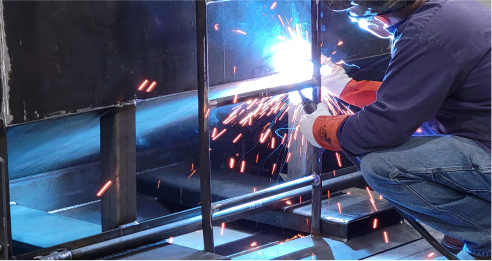
These technologies support data-driven decision-making and help companies meet their sustainability targets more effectively.
Best Practices for Implementing Eco-Conscious Welding
Transitioning to more environmentally friendly welding requires a combination of technology, training, and process optimization. Here are some actionable steps:
- Conduct regular energy audits and track emissions
- Train operators on sustainable practices and equipment maintenance
- Invest in modern, energy-efficient welding machines
- Implement strict waste sorting and recycling protocols
- Stay updated on the latest green welding innovations
For a broader perspective on making fabrication more sustainable, the actions to make metal fabrication sustainable article offers additional recommendations and case studies.
Challenges and Future Directions
While the benefits of adopting eco friendly welding methods are clear, there are challenges to widespread implementation. Initial investment in new equipment, the need for specialized training, and adapting existing workflows can be barriers for some organizations. However, as regulations tighten and customer demand for sustainable products grows, the industry is expected to accelerate its shift toward greener practices.
Ongoing research into alternative welding materials, improved energy storage, and smarter automation will continue to drive progress. Companies that invest in these areas now will be well-positioned to lead in both environmental stewardship and operational efficiency.
Frequently Asked Questions
What are the main environmental benefits of sustainable welding techniques?
Greener welding processes reduce greenhouse gas emissions, lower energy consumption, and minimize hazardous waste. This leads to improved air quality, safer workplaces, and a smaller overall environmental footprint.
How can manufacturers start transitioning to more eco-friendly welding?
Begin by evaluating current processes for energy and material efficiency. Invest in modern equipment, train staff on sustainable practices, and prioritize the use of recycled or low-impact materials. Gradually integrate new technologies and monitor progress to ensure continuous improvement.
Are there industry standards for environmentally responsible welding?
Yes, several organizations provide guidelines and certifications for sustainable manufacturing, including ISO 14001 for environmental management and AWS standards for welding safety and emissions. Compliance with these standards helps companies demonstrate their commitment to sustainability.