
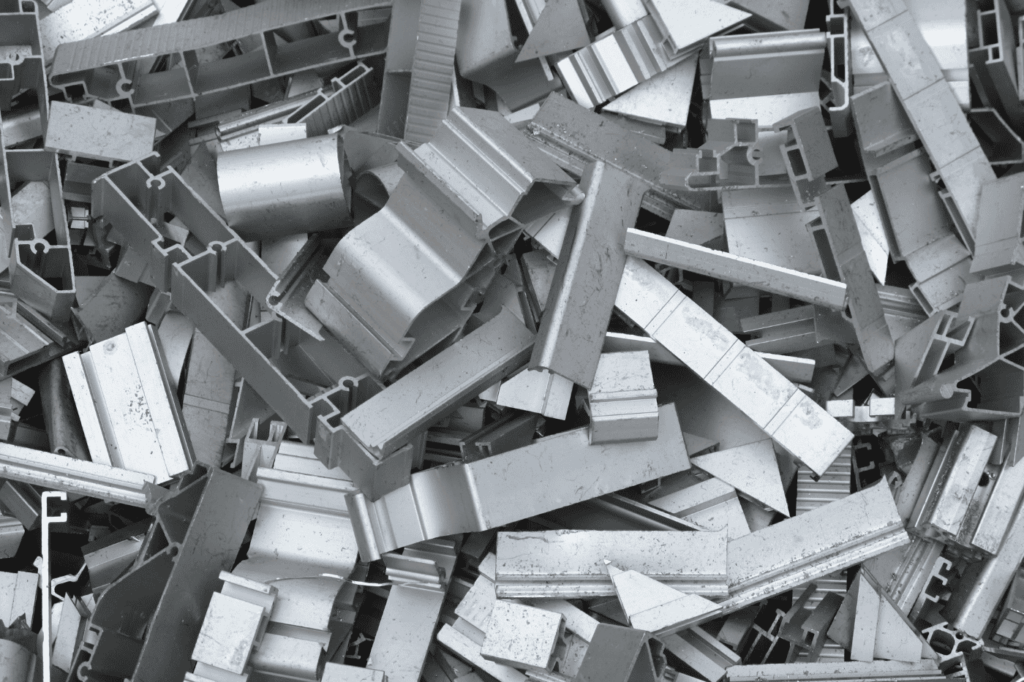
As industries worldwide strive to reduce their environmental impact, eco friendly metal fabrication has become a vital focus for manufacturers, designers, and procurement teams. Sustainable practices in metalworking not only help conserve resources and minimize waste but also support regulatory compliance and enhance brand reputation. Whether you’re a business owner, engineer, or sustainability officer, understanding how to implement greener approaches in metal fabrication can lead to significant operational and environmental benefits.
This guide explores the principles, methods, and real-world strategies for making metal manufacturing more sustainable. From material selection to process optimization and waste reduction, you’ll find actionable insights to help your organization advance its sustainability goals.
If you’re interested in sourcing sustainable materials, it’s essential to know how to audit recycled metal suppliers for quality and traceability. This ensures that your supply chain aligns with your environmental objectives from the very beginning.
Principles of Sustainable Metalworking
At its core, eco friendly metal fabrication is about minimizing the ecological footprint of metal products throughout their lifecycle. This involves reducing energy consumption, lowering greenhouse gas emissions, and making efficient use of raw materials. Sustainable metalworking also means considering the end-of-life stage—designing products for recyclability and reusability.
Key principles include:
- Resource efficiency: Using less material and energy per unit produced.
- Waste minimization: Implementing processes that generate less scrap and promote recycling.
- Cleaner production: Adopting technologies and practices that reduce pollution and hazardous byproducts.
- Lifecycle thinking: Considering the environmental impact from raw material extraction to product disposal or recycling.
Choosing Sustainable Materials for Metal Fabrication
The selection of raw materials plays a crucial role in reducing the environmental impact of metal manufacturing. Opting for recycled or certified sustainable metals can significantly cut down on energy use and emissions compared to sourcing virgin materials.
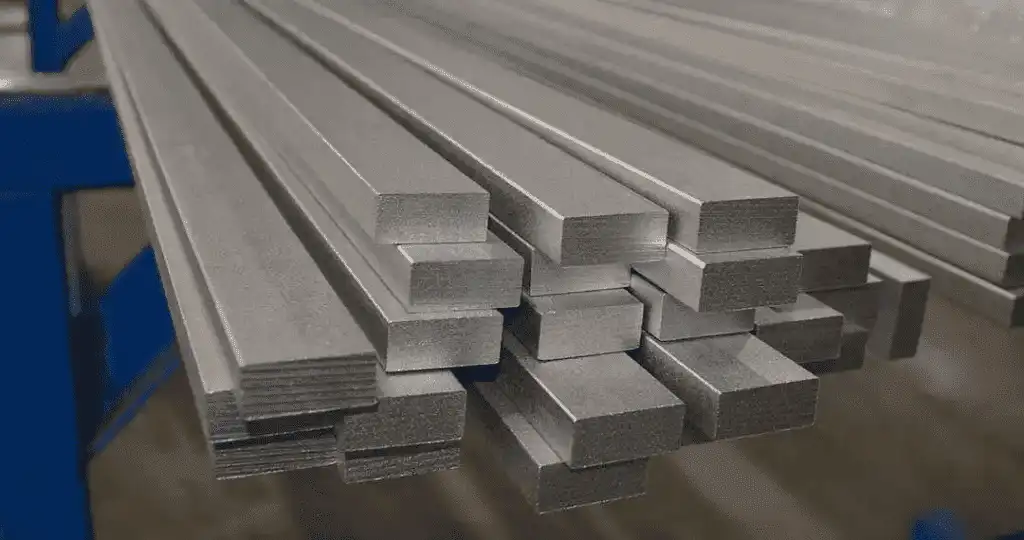
Some strategies for sustainable material sourcing include:
- Prioritizing metals with high recycled content, such as recycled aluminum or steel.
- Working with suppliers that provide transparent documentation on material origins and processing methods.
- Exploring alternatives like low-carbon alloys or bio-based coatings to further reduce environmental impact.
For businesses looking to enhance their green credentials, understanding the ways recycled metal improves brand sustainability can be a valuable resource.
Energy-Efficient Processes in Modern Metalworking
Reducing energy consumption is a cornerstone of sustainable fabrication. Advances in technology have made it possible to lower the carbon footprint of traditional processes like cutting, welding, and forming.
- Laser and plasma cutting: Modern machines offer higher precision and efficiency, resulting in less waste and lower energy use.
- Electric arc welding: Newer systems are designed to consume less power and deliver better results with minimal emissions.
- Automation and robotics: Automated systems can optimize material handling and reduce idle times, further cutting energy usage.
Implementing energy management systems and investing in renewable energy sources for plant operations can also make a significant difference.
Reducing Waste and Improving Recycling in Metal Fabrication
Waste reduction is a key aspect of eco friendly metal fabrication. By designing processes to minimize scrap and maximize material recovery, manufacturers can lower costs and environmental impact.
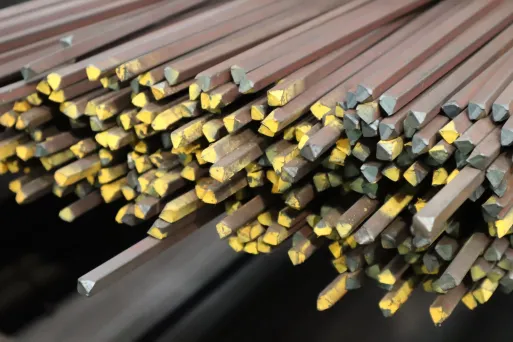
Practical steps include:
- Implementing lean manufacturing principles to streamline production and reduce offcuts.
- Collecting and sorting scrap metal for reprocessing and reuse.
- Partnering with local recyclers or establishing in-house recycling programs.
- Utilizing digital tools to optimize nesting and layout, ensuring maximum material utilization.
For more detailed strategies, see our guide on how to reduce metal waste in factories.
Traceability and Transparency in Sustainable Metal Supply Chains
Ensuring the sustainability of metal products requires robust traceability systems. Tracking the origin, composition, and processing history of metals helps manufacturers verify compliance with environmental standards and meet customer expectations.
Digital platforms and blockchain technology are increasingly used to provide transparent records, making it easier to demonstrate responsible sourcing. For more on this topic, explore the importance of traceability in recycled metals.
Benefits of Adopting Greener Metalworking Practices
Embracing sustainable approaches in metal fabrication offers several advantages:
- Cost savings: Efficient use of materials and energy can lower operational expenses.
- Regulatory compliance: Staying ahead of environmental regulations reduces risk and potential penalties.
- Enhanced reputation: Demonstrating a commitment to sustainability can attract eco-conscious customers and partners.
- Innovation: Pursuing greener processes often leads to technological advancements and improved product quality.
For a deeper dive into industry best practices, consider reading this comprehensive overview of sustainability in metal fabrication from a leading sector expert.
Supporting Small Businesses and Local Initiatives
Sustainable metalworking isn’t limited to large manufacturers. Small businesses can also benefit from adopting eco-conscious practices. Using recycled metals, optimizing production workflows, and collaborating with local suppliers are effective ways to make a positive impact at any scale. Learn more about how small businesses can use recycled metals to support both environmental and economic goals.
Frequently Asked Questions
What are the main environmental benefits of sustainable metal fabrication?
Greener metalworking methods help reduce greenhouse gas emissions, conserve natural resources, and minimize landfill waste. By using recycled materials and energy-efficient processes, manufacturers can significantly lower their environmental footprint.
How can manufacturers verify the sustainability of their metal supply chain?
Companies should request documentation from suppliers, such as certificates of recycled content or environmental compliance. Implementing digital traceability systems also helps track the origin and processing of metals, ensuring transparency and accountability.
Is it more expensive to implement eco friendly metal fabrication practices?
While there may be initial investments in new equipment or process changes, sustainable practices often lead to long-term savings through reduced material and energy costs. Additionally, companies may benefit from incentives, improved brand image, and compliance with evolving regulations.