
As industries worldwide work to reduce their environmental impact, the demand for eco friendly manufacturing metals continues to grow. Companies are seeking ways to produce metal products with less waste, lower emissions, and a smaller carbon footprint. This shift is driven by both regulatory requirements and consumer expectations for sustainable practices. Understanding the options and best practices for greener metal production is essential for manufacturers, engineers, and procurement teams aiming to meet modern sustainability standards.
Adopting sustainable metalworking methods not only benefits the environment but can also improve operational efficiency and brand reputation. Whether you are sourcing recycled materials, optimizing manufacturing processes, or evaluating suppliers, a practical approach to sustainable metals is key. For organizations looking to ensure the quality of their recycled inputs, learning how to audit recycled metal suppliers can be a valuable first step.
What Makes Metals Environmentally Responsible?
The environmental impact of metal production depends on several factors, including raw material sourcing, energy use, emissions, and waste management. Eco friendly manufacturing metals are typically characterized by:
- High recycled content or use of renewable resources
- Low greenhouse gas emissions during production
- Efficient use of energy, often from renewable sources
- Minimal waste generation and effective recycling of byproducts
- Responsible sourcing and transparent supply chains
Metals such as aluminum, steel, and copper can be recycled repeatedly without losing their properties, making them ideal for sustainable manufacturing. The use of secondary (recycled) metals dramatically reduces energy consumption and emissions compared to primary extraction from ore.
Key Sustainable Metals and Their Benefits
Not all metals have the same environmental profile. Some are more readily recycled, while others require less energy to process. Here are a few of the most commonly used sustainable metals:
- Recycled Steel: Steel is the most recycled material on the planet. Using recycled steel can cut energy use by up to 74% compared to producing new steel from iron ore.
- Aluminum: Recycling aluminum saves about 95% of the energy needed to produce it from raw bauxite. Its lightweight nature also helps reduce transportation emissions.
- Copper: Copper retains its quality after recycling and is widely reused in electrical and construction applications.
- Titanium and Nickel Alloys: These are increasingly recycled for use in aerospace and medical industries, reducing the need for energy-intensive mining.
Best Practices for Sustainable Metal Production
Manufacturers aiming to reduce their environmental impact can implement several strategies to make their operations more sustainable:
- Increase Use of Recycled Metals: Sourcing high-quality recycled inputs is one of the most effective ways to lower a product’s carbon footprint. For more on this, see our guide on how small businesses can use recycled metals.
- Optimize Energy Efficiency: Upgrading to energy-efficient furnaces, motors, and lighting can significantly reduce overall energy consumption.
- Adopt Cleaner Technologies: Innovations such as electric arc furnaces, hydrogen-based reduction, and closed-loop water systems help minimize emissions and resource use.
- Reduce and Reuse Waste: Implementing circular economy principles—such as reusing scrap metal and capturing process heat—can further lower environmental impact. For practical steps, explore our article on how to reduce metal waste in factories.
- Ensure Supply Chain Transparency: Tracking the origin and processing of metals helps verify sustainability claims. Learn more about the importance of traceability in recycled metals.
Emerging Technologies Supporting Greener Metalworking
The transition to more environmentally responsible manufacturing is being accelerated by new technologies. Some of the most promising developments include:
- Green Hydrogen: Used as a reducing agent in steelmaking, green hydrogen can replace coal, drastically cutting CO2 emissions.
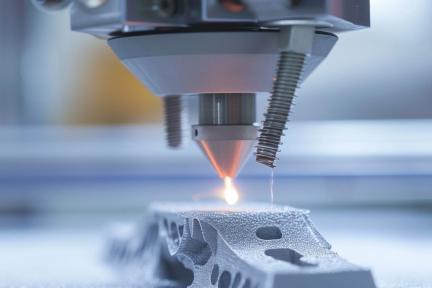
- Additive Manufacturing: Also known as 3D printing, this method allows for precise material usage, reducing waste and enabling the use of recycled powders.
- AI and IoT Integration: Smart sensors and machine learning optimize energy use, maintenance, and process control, further improving efficiency.
Challenges and Considerations in Sustainable Metal Manufacturing
While the benefits of eco friendly manufacturing metals are clear, there are challenges to widespread adoption. These include:
- Supply Chain Complexity: Ensuring the sustainability of all inputs requires robust tracking and verification systems.
- Cost Factors: Initial investments in cleaner technologies or recycled materials may be higher, though long-term savings are possible.
- Quality Assurance: Maintaining consistent quality with recycled metals can be challenging. For guidance, see our resource on how to audit recycled metal suppliers.
- Regulatory Compliance: Navigating evolving environmental regulations requires ongoing attention and adaptation.
Despite these hurdles, the overall trend is toward greater adoption of sustainable practices, supported by both market demand and policy incentives. Research such as this study on environmental performance in metal manufacturing highlights the positive impact of these efforts.
How Sustainable Metals Improve Brand Value
Companies that prioritize eco-conscious production methods often see benefits beyond compliance and cost savings. Using greener metals can:
- Enhance brand reputation among environmentally aware customers
- Open up new markets and partnerships with sustainability-focused organizations
- Reduce long-term operational risks related to resource scarcity and regulation
- Support broader corporate social responsibility goals
For more on the business case, read about how recycled metal improves brand sustainability.
Frequently Asked Questions
What are the most sustainable metals for manufacturing?
The most sustainable options include recycled steel, aluminum, and copper, as these can be reused indefinitely with minimal loss of quality. Their recycling processes require far less energy and produce fewer emissions than primary extraction.
How can manufacturers verify the sustainability of their metal suppliers?
Manufacturers should request documentation on recycled content, energy sources, and emissions. Conducting supplier audits and using traceability systems are effective ways to ensure that sustainability claims are accurate.
What role does technology play in reducing the environmental impact of metal production?
Advanced technologies such as green hydrogen, additive manufacturing, and AI-driven process optimization help reduce energy use, emissions, and waste. These innovations make it easier for manufacturers to meet sustainability goals while maintaining product quality.