
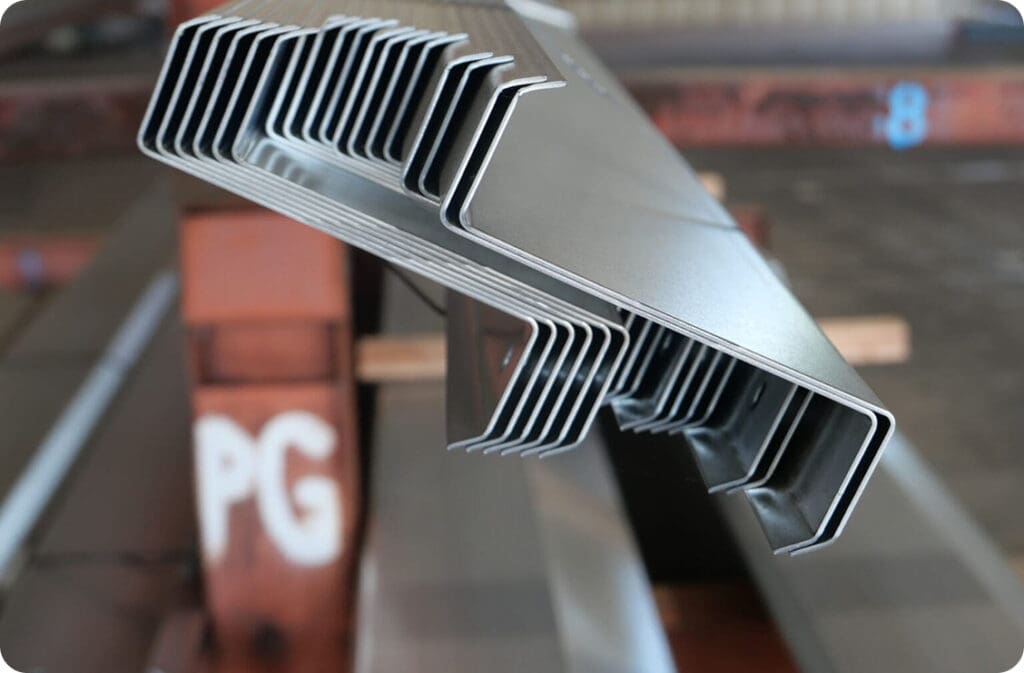
As the manufacturing industry faces increasing pressure to reduce its environmental impact, eco friendly cutting techniques have become a priority in metal fabrication. These approaches not only help minimize waste and emissions but also support sustainable business practices. From advanced laser systems to water-based processes, the evolution of metal cutting is reshaping how manufacturers approach efficiency and responsibility.
Companies seeking to improve their sustainability credentials are exploring methods that lower energy consumption, reduce hazardous byproducts, and maximize material usage. This article explores the most effective green alternatives, their benefits, and how they fit into the broader movement toward responsible manufacturing. For those interested in related process improvements, understanding steel stamping edge quality optimization can further enhance both product quality and environmental outcomes.
Why Sustainable Cutting Methods Matter in Metalworking
Traditional metal cutting often relies on high-energy processes and can generate significant waste, fumes, and noise. As environmental regulations tighten and customers demand greener products, manufacturers are rethinking their approach to fabrication. Adopting eco friendly cutting techniques is not just about compliance—it’s about future-proofing operations and building a reputation for responsibility.
Sustainable methods can lead to:
- Lower energy consumption and operational costs
- Reduced hazardous waste and emissions
- Improved workplace safety and air quality
- Higher material yield and less scrap
- Enhanced brand image and market competitiveness
Key Eco-Conscious Cutting Processes in Metal Fabrication
Several innovative technologies have emerged to address the environmental challenges of metal cutting. Below are some of the most effective approaches that align with sustainable manufacturing goals.
Laser Cutting: Precision with Minimal Waste
Laser cutting is widely recognized for its accuracy and efficiency. By focusing a high-powered beam on the metal, it produces clean cuts with minimal kerf (material loss). Modern laser systems are designed for energy efficiency and can be programmed to optimize nesting, reducing scrap rates significantly.
Additionally, laser cutting generates fewer airborne contaminants compared to traditional torch or plasma methods, contributing to a safer and cleaner work environment.
Waterjet Cutting: Clean and Chemical-Free
Waterjet cutting uses a high-pressure stream of water, sometimes mixed with abrasive particles, to slice through metal. This method is notable for being a cold-cutting process, which means it does not produce heat-affected zones or toxic fumes. As a result, it preserves material properties and eliminates the need for secondary cleaning or ventilation systems.
Waterjet systems can also recycle water and abrasives, further reducing their environmental footprint.
Plasma Cutting with Green Gases
While plasma cutting is traditionally associated with high energy use and emissions, recent advancements have made it more sustainable. Using environmentally friendly gases, such as nitrogen or compressed air, instead of argon or other harmful substances, reduces the release of greenhouse gases and toxic byproducts.
Newer plasma systems are also more energy-efficient, offering precise control and reduced waste.
Mechanical Shearing and Sawing: Low-Impact Alternatives
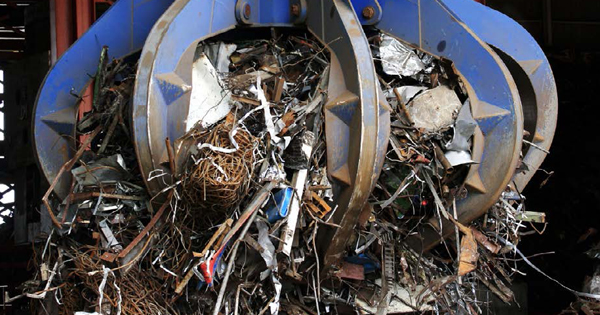
For certain applications, mechanical cutting methods like shearing and sawing remain among the most energy-efficient options. These processes generate little to no emissions, operate quietly, and produce minimal waste when properly maintained. They are ideal for straight cuts and can be integrated with recycling systems to handle offcuts and scrap efficiently.

Supporting Sustainability Beyond Cutting
Adopting green cutting methods is just one part of a comprehensive sustainability strategy. Metal fabricators are also investing in energy-efficient machinery, closed-loop cooling systems, and robust recycling programs. For example, integrating best practices for stamping coated steels can further minimize material loss and environmental impact.
Additionally, companies are training operators to recognize and implement sustainable procedures, ensuring that eco-friendly practices are embedded at every stage of production. For a deeper dive into the broader topic, explore this overview of sustainable metal fabrication and its role in modern manufacturing.
Challenges and Considerations in Implementing Green Cutting
While the benefits of environmentally conscious cutting are clear, transitioning to these methods can present challenges. Upfront investment in new equipment, training for staff, and potential adjustments to workflow may be required. However, many organizations find that the long-term savings and reputational gains outweigh the initial costs.
It’s also important to regularly review and optimize processes. For instance, learning how to manage lubrication runoff in stamping operations can prevent contamination and support cleaner production lines.
Frequently Asked Questions
What are the main benefits of using sustainable cutting methods in metal fabrication?
The primary advantages include reduced energy consumption, lower emissions, improved material efficiency, and enhanced workplace safety. These methods also help companies comply with environmental regulations and appeal to eco-conscious customers.
Are eco-friendly cutting techniques more expensive than traditional methods?
While initial investments in advanced equipment or process changes can be higher, many businesses experience cost savings over time through reduced waste, lower energy bills, and fewer regulatory penalties.
How can manufacturers ensure their cutting processes remain environmentally responsible?
Regularly auditing equipment, updating to the latest technology, training staff on sustainable practices, and participating in recycling programs are effective ways to maintain green standards in metal fabrication.
Can sustainable cutting methods be used for all types of metals?
Most green cutting technologies, such as laser and waterjet systems, are versatile and can handle a wide range of metals. However, the best method may depend on the specific material, thickness, and desired finish.
Conclusion
The shift toward eco friendly cutting techniques in metal fabrication is not just a trend—it’s a necessary evolution for a cleaner, more efficient industry. By adopting advanced technologies and sustainable practices, manufacturers can reduce their environmental footprint, improve operational efficiency, and meet the expectations of modern markets. As the sector continues to innovate, staying informed and proactive will be key to long-term success and responsibility.