

Reducing defects is a top priority for any metal fabrication or processing operation. Even minor flaws can lead to costly rework, wasted materials, and dissatisfied customers. As the industry faces increasing demands for quality and efficiency, manufacturers are turning to proven strategies to minimize errors and improve outcomes. This article explores practical approaches for defect reduction in metal manufacturing, highlighting both process improvements and technological advancements that deliver measurable results.
Metalworking facilities are under pressure to balance productivity with sustainability and environmental responsibility. By implementing robust defect prevention methods, companies not only save on material and labor costs but also contribute to more sustainable operations. For those interested in broader waste management solutions, resources like best practices for metal waste reduction offer additional insights into optimizing factory performance.
Understanding Common Defects in Metalworking
Before implementing reduction strategies, it’s important to identify the most frequent types of defects in metal manufacturing. These can include:
- Surface imperfections such as scratches, dents, and pits
- Dimensional inaccuracies resulting from improper machining or forming
- Welding defects like porosity, cracks, and incomplete fusion
- Material inconsistencies including inclusions and segregation
- Heat treatment issues such as warping or improper hardness
Each of these flaws can compromise product integrity and lead to downstream failures. Addressing their root causes is essential for effective defect reduction in metal manufacturing.
Process Control and Standardization
One of the most effective ways to minimize errors is through strict process control. Standardizing procedures ensures that every operator follows the same steps, reducing variability and the risk of mistakes. Key actions include:
- Developing detailed work instructions for each operation
- Implementing checklists and process audits
- Using statistical process control (SPC) to monitor critical parameters
- Training staff regularly on updated best practices
By maintaining consistency, manufacturers can quickly identify deviations and take corrective action before defects escalate.
Quality Assurance and Inspection Techniques
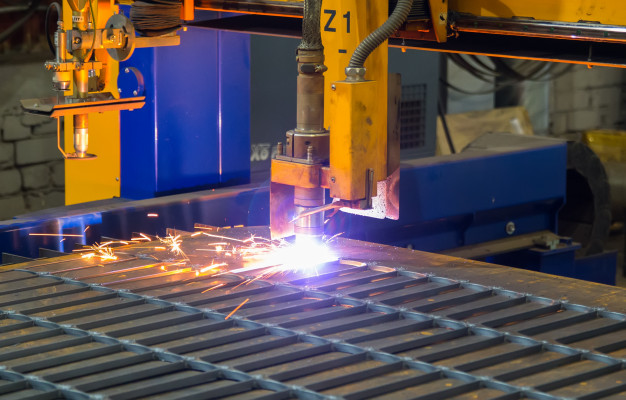
A proactive quality assurance program is vital for catching issues early. Modern metal plants use a combination of manual and automated inspection methods to ensure products meet specifications. These include:
- Visual inspections for surface and weld flaws
- Dimensional checks using precision instruments such as digital calipers
- Non-destructive testing (NDT) methods like ultrasonic, magnetic particle, or dye penetrant testing
- Automated vision systems for high-speed, high-volume inspection
Integrating these techniques into the workflow allows for immediate feedback and reduces the likelihood of defective parts reaching customers.
Material Selection and Handling
Choosing the right materials and handling them properly is another cornerstone of minimizing errors. Poor-quality raw stock or improper storage can introduce contaminants, moisture, or mechanical damage. To ensure optimal results:
- Source materials from reputable suppliers with consistent quality records
- Implement traceability systems to track material batches
- Store metals in controlled environments to prevent corrosion and contamination
- Train staff on correct material handling procedures
These steps help prevent defects that originate before manufacturing even begins.
Leveraging Technology for Fewer Errors
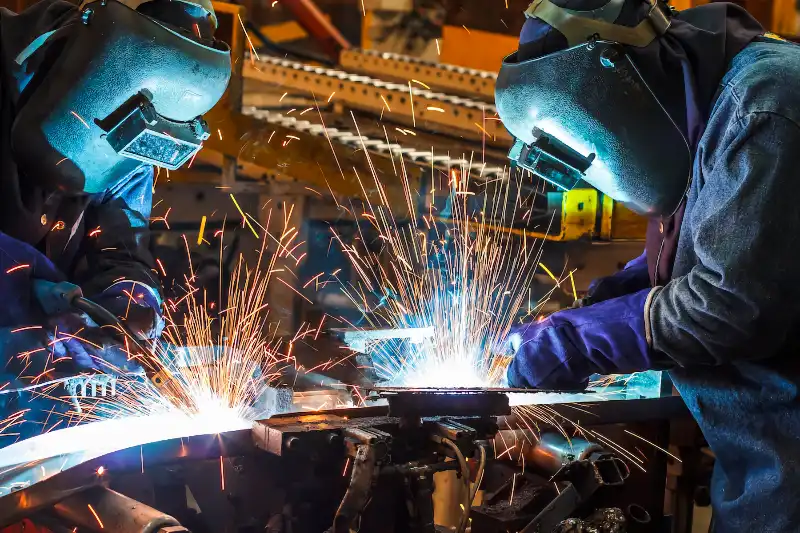
Advancements in automation and digitalization are transforming how manufacturers approach defect reduction in metal manufacturing. Some of the most impactful technologies include:
- Computer-aided design (CAD) and computer-aided manufacturing (CAM) for precise planning and execution
- Robotic welding and machining for consistent, repeatable results
- Real-time process monitoring with sensors and data analytics
- Predictive maintenance to prevent equipment-related defects
By investing in these tools, companies can detect and correct problems before they result in costly scrap or rework. For those interested in the latest advances, exploring innovations in metal recycling technology can provide additional perspectives on how digital solutions are reshaping the industry.
Employee Training and Engagement
Human error remains a leading cause of defects in many facilities. Ongoing training and employee involvement are critical for building a culture of quality. Effective programs should:
- Provide hands-on instruction for new equipment and processes
- Encourage open communication about quality concerns
- Recognize and reward proactive problem-solving
- Foster teamwork between departments to address systemic issues
When workers understand the impact of their actions and feel empowered to contribute, the entire operation benefits from fewer mistakes and higher morale.
Continuous Improvement and Data-Driven Decisions
Sustained success in minimizing errors requires a commitment to continuous improvement. Manufacturers should regularly review production data, customer feedback, and defect trends to identify opportunities for refinement. Useful strategies include:
- Implementing lean manufacturing and Six Sigma methodologies
- Conducting root cause analysis for recurring issues
- Setting measurable goals for defect reduction
- Benchmarking performance against industry standards
For a deeper dive into sustainable approaches, the industrial sustainability case studies metals resource offers real-world examples of how continuous improvement drives both quality and environmental gains.
Environmental and Economic Benefits
Reducing defects isn’t just about quality—it also has significant environmental and financial impacts. Lower scrap rates mean less material waste, reduced energy consumption, and lower disposal costs. Companies that excel in this area often find it easier to meet regulatory requirements and achieve sustainability certifications.
For more information on responsible practices, the environmental responsibility in steel companies guide provides actionable steps for integrating eco-friendly initiatives with operational excellence.
Additionally, effective defect management supports better metal waste management, helping organizations reduce their environmental footprint while improving profitability.
FAQ: Defect Prevention in Metalworking
What are the most common causes of defects in metal manufacturing?
The primary causes include inconsistent processes, poor material quality, equipment malfunctions, and inadequate employee training. Environmental factors such as humidity or contamination can also contribute to flaws in finished products.
How can technology help reduce errors in metalworking?
Technologies like robotics, real-time monitoring, and automated inspection systems increase accuracy and consistency. They enable early detection of deviations, allowing corrective action before defects occur.
Why is employee training important for defect reduction?
Well-trained staff are less likely to make mistakes and more likely to identify potential problems early. Ongoing education ensures that workers stay current with best practices and new technologies, leading to fewer errors and higher quality output.