

As industries worldwide seek to lower their environmental impact, carbon neutral metal fabrication has become a central focus for manufacturers, engineers, and procurement teams. The drive toward sustainability in metalworking is not just about compliance or public relations—it’s about future-proofing operations, reducing costs, and meeting the expectations of customers and regulators alike.
This article explores practical strategies, technologies, and standards that are shaping the evolution of eco-friendly fabrication. We’ll look at how companies are reducing emissions, sourcing greener materials, and rethinking every stage of the metalworking process. For those interested in process optimization, you may also find value in learning about steel stamping edge quality optimization, which complements sustainable practices by reducing waste and improving efficiency.
Understanding the Push for Low-Emission Metalworking
The metal fabrication sector is energy-intensive, historically relying on fossil fuels and processes that generate significant greenhouse gases. As climate targets tighten, there’s mounting pressure for fabricators to adopt carbon neutral approaches. This means balancing any unavoidable emissions with reductions elsewhere or through verified carbon offsets.
Achieving a net-zero footprint involves more than just switching to renewable energy. It requires a holistic review of supply chains, materials, production methods, and even product design. Companies that embrace these changes early often gain a competitive edge, especially as more clients prioritize sustainable sourcing.
Key Strategies for Achieving Carbon Neutrality in Metal Fabrication
Transitioning toward carbon neutral metal fabrication involves multiple coordinated efforts. Below are some of the most impactful strategies:
- Switching to Renewable Energy: Replacing grid electricity with solar, wind, or hydro power reduces direct emissions from plant operations.
- Material Selection and Sourcing: Using recycled metals and sourcing from suppliers with strong environmental credentials can dramatically cut embodied carbon.
- Process Optimization: Upgrading to energy-efficient machinery, implementing lean manufacturing, and minimizing waste all contribute to a lower carbon footprint.
- Carbon Offsetting: For emissions that cannot be eliminated, investing in certified offset projects (like reforestation or renewable energy) helps achieve net-zero status.
- Lifecycle Analysis: Assessing the environmental impact of products from raw material to end-of-life enables smarter design and material choices.
Innovations Driving Sustainable Fabrication
A wave of new technologies and best practices is making it easier for fabricators to reduce their environmental impact. Some of the most promising developments include:
- Electric and Hybrid Equipment: Replacing diesel-powered machinery with electric or hybrid alternatives can cut operational emissions.
- Advanced Automation: Robotics and smart manufacturing systems help optimize energy use and reduce waste by improving precision and consistency.
- Closed-Loop Recycling: On-site recycling of scrap and process byproducts keeps materials in use longer and reduces the need for virgin resources.
- Green Chemistry: Using environmentally friendly lubricants, coolants, and cleaning agents reduces the risk of harmful emissions and contamination.
Companies are also adopting digital tools for monitoring and reporting emissions, which supports transparency and continuous improvement.
Material Choices and Their Environmental Impact
The choice of raw materials is a major factor in the overall carbon footprint of fabricated products. Recycled steel and aluminum, for example, require far less energy to produce than their virgin counterparts. Sourcing certified low-carbon metals or those produced using renewable energy further reduces environmental impact.
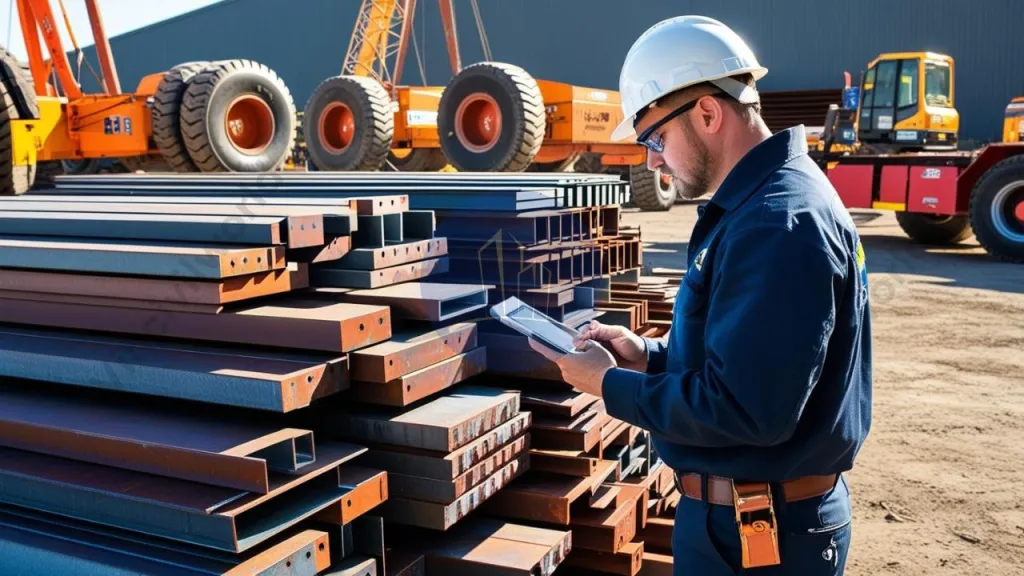
Material inspection and traceability systems are increasingly important, ensuring that inputs meet both quality and sustainability standards. This is particularly relevant for industries with strict compliance requirements, such as automotive and construction.

Certifications, Standards, and Reporting
As sustainability becomes a key differentiator, many fabricators pursue third-party certifications to validate their environmental claims. Common frameworks include ISO 14001 (environmental management systems), LEED (for buildings), and product-specific eco-labels.
Transparent reporting is also essential. Many organizations now publish annual sustainability reports, detailing emissions, energy use, and improvement targets. This not only builds trust with clients and regulators but also helps identify new opportunities for efficiency and innovation.
Challenges and Opportunities in the Transition
Moving toward carbon neutral metal fabrication is not without its obstacles. Upfront investment in new equipment, training, and process redesign can be significant. Smaller shops may face resource constraints, while larger operations must coordinate changes across complex supply chains.
However, the benefits are substantial. Reduced energy costs, improved brand reputation, and access to new markets are just a few of the rewards. Additionally, many governments offer incentives, grants, or tax breaks for companies that invest in clean technologies.
For further insights into sustainable practices in construction and fabrication, consider exploring how sustainable construction and fabrication are shaping the industry.
Integrating Sustainability with Operational Excellence
Sustainability and operational efficiency go hand in hand. Lean manufacturing principles, for example, naturally reduce waste and energy use. Digitalization and automation not only boost productivity but also provide the data needed to track and optimize environmental performance.
Training and engaging employees at all levels is crucial. When teams understand the importance of sustainability and have the tools to contribute, improvements become embedded in the company culture.
Frequently Asked Questions
What does it mean for a metal fabrication process to be carbon neutral?
A carbon neutral process balances the greenhouse gases it emits with actions that remove or offset an equivalent amount of carbon dioxide from the atmosphere. In metalworking, this typically involves reducing emissions through efficiency and renewable energy, then offsetting any remaining emissions with certified projects.
How can metal fabricators reduce their carbon footprint?
Fabricators can lower their carbon footprint by using recycled materials, switching to renewable energy, optimizing production processes, and minimizing waste. Investing in energy-efficient equipment and adopting green supply chain practices also play a significant role.
Are there industry standards for sustainable metal fabrication?
Yes, several standards and certifications exist, such as ISO 14001 for environmental management and product-specific eco-labels. These frameworks help companies set goals, measure progress, and demonstrate their commitment to sustainability.
What are the main challenges in adopting carbon neutral practices?
The primary challenges include the initial investment required for new technologies, the need for employee training, and the complexity of tracking emissions across the supply chain. However, these hurdles can be overcome with careful planning, stakeholder engagement, and by leveraging available financial incentives.