
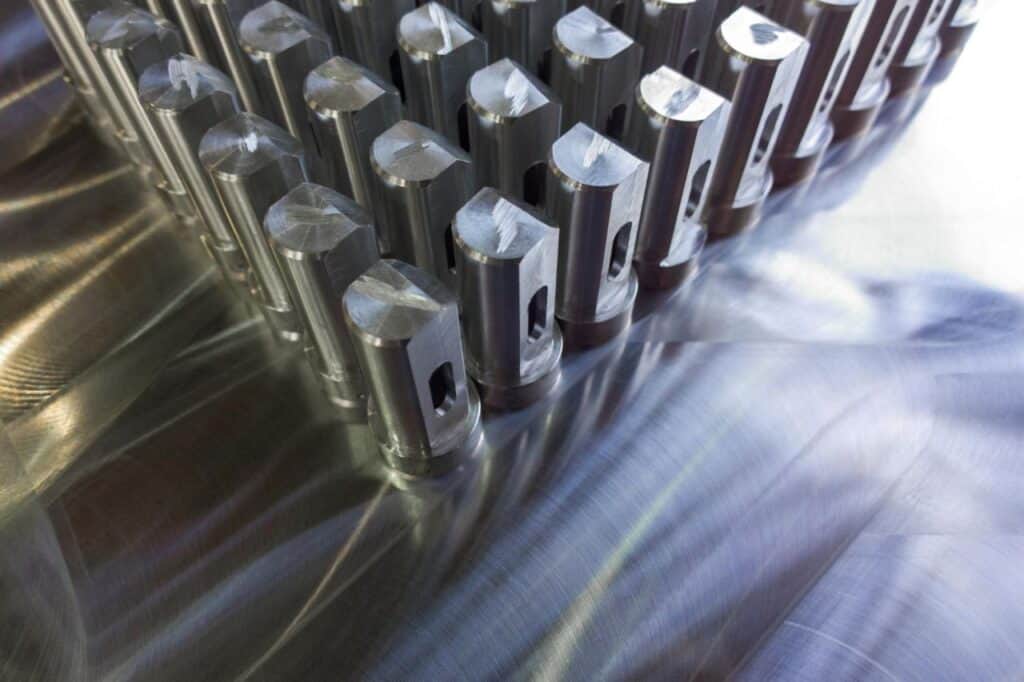
The carbon footprint of metal fabrication is a growing concern for manufacturers, engineers, and businesses seeking to meet sustainability goals and comply with evolving environmental regulations. As demand for metal products rises across industries, understanding the environmental impact of fabrication processes—and how to minimize it—has become essential. This article explores the main sources of greenhouse gas emissions in metalworking, practical strategies for reducing emissions, and the benefits of adopting greener practices throughout the value chain.
Metal fabrication involves transforming raw metals into finished components through processes such as cutting, bending, welding, and assembling. Each stage, from material extraction to final product delivery, contributes to the overall carbon footprint. By identifying high-impact areas and implementing targeted improvements, companies can reduce emissions, lower costs, and enhance their reputation as responsible manufacturers.
For those interested in process optimization, exploring topics like how to optimize scrap chute angles can further improve operational efficiency and reduce waste, which also contributes to a lower environmental impact.
Understanding Emissions in Metalworking
The environmental impact of metal fabrication stems from several sources. The most significant contributors include:
- Raw Material Extraction: Mining and refining metals such as steel, aluminum, and copper are energy-intensive and emit large amounts of CO2.
- Energy Consumption: Fabrication processes like welding, cutting, and forming require substantial electricity or fuel, often generated from fossil sources.
- Transportation: Moving raw materials, semi-finished, and finished products adds to the overall emissions.
- Waste Generation: Scrap metal, offcuts, and defective parts may require additional processing or disposal, increasing the carbon burden.
According to research published in a recent scientific study on life cycle assessment of metal fabrication, the majority of emissions are linked to energy use and raw material sourcing. This highlights the importance of focusing reduction efforts on these stages.
Key Factors Affecting the Carbon Footprint of Metal Fabrication
Several variables influence the total greenhouse gas emissions associated with metalworking. These include:
- Material Choice: Different metals have varying embodied energy and emission profiles. For example, recycled aluminum has a much lower carbon footprint than primary aluminum.
- Process Efficiency: Outdated or inefficient equipment consumes more energy and generates more waste.
- Facility Location: The carbon intensity of local electricity grids can significantly affect emissions from electrically powered machinery.
- Supply Chain Practices: Sourcing from suppliers with strong environmental credentials can reduce upstream emissions.
Strategies for Reducing Emissions in Metalworking
Reducing the carbon footprint of metal fabrication requires a combination of technological upgrades, process improvements, and supply chain collaboration. Here are some effective approaches:
1. Use of Recycled Materials
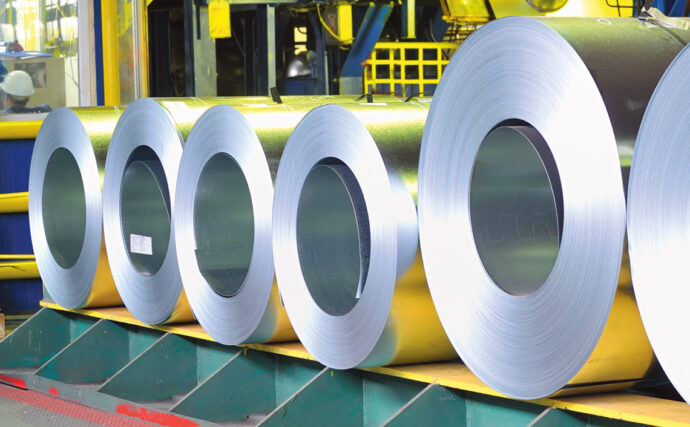
Opting for recycled metals wherever possible can dramatically cut emissions. For instance, recycled steel and aluminum require significantly less energy to produce compared to virgin materials. Establishing closed-loop recycling systems within the facility can further minimize waste and resource use.
2. Energy Efficiency Upgrades
Modernizing equipment and adopting energy-efficient technologies can reduce electricity and fuel consumption. Examples include:
- Switching to high-efficiency motors and drives
- Implementing variable speed controls on machinery
- Upgrading to LED lighting in workshops
- Regular maintenance to ensure optimal performance
Additionally, integrating renewable energy sources such as solar or wind can further lower the carbon intensity of operations.
3. Process Optimization and Lean Manufacturing
Adopting lean manufacturing principles helps eliminate unnecessary steps, reduce material waste, and improve overall process flow. Techniques such as just-in-time production, value stream mapping, and continuous improvement initiatives can all contribute to lower emissions. For those working with coated steels, following best practices for stamping coated steels can also help minimize rework and scrap, further reducing environmental impact.
4. Advanced Fabrication Technologies
Emerging technologies such as additive manufacturing (3D printing) and automated laser cutting can reduce material usage and energy consumption by enabling more precise, less wasteful production.
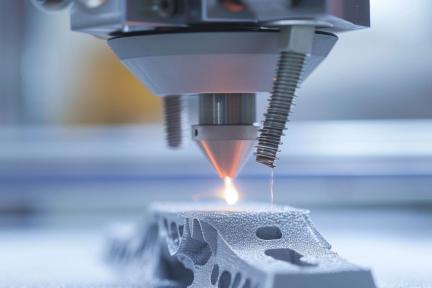
These methods often allow for the creation of complex geometries with minimal waste, supporting both cost savings and sustainability goals.
5. Supply Chain Collaboration
Working closely with suppliers and logistics partners to source low-carbon materials, optimize transportation routes, and consolidate shipments can further reduce the overall environmental impact. Transparent communication and shared sustainability targets make it easier to identify and address emissions hotspots throughout the value chain.
Benefits of Lowering the Carbon Impact in Metalworking
Reducing emissions in metal fabrication offers several advantages beyond environmental stewardship:
- Cost Savings: Energy efficiency and waste reduction often translate to lower operating expenses.
- Regulatory Compliance: Meeting or exceeding government emissions standards helps avoid fines and maintain market access.
- Competitive Advantage: Demonstrating a commitment to sustainability can attract new customers and strengthen relationships with existing clients.
- Future-Proofing: Proactive action prepares businesses for stricter regulations and shifting market expectations.
Measuring and Reporting the Carbon Footprint of Metal Fabrication
Accurately assessing emissions is a critical first step toward reduction. Companies can use tools such as life cycle assessment (LCA) software to quantify the carbon intensity of their products and processes. Key metrics include:
- CO2 equivalent emissions per tonne of metal produced
- Energy consumption per unit of output
- Percentage of recycled content in materials
Regular reporting and transparent communication with stakeholders help track progress and identify areas for further improvement.
Frequently Asked Questions
What are the main sources of emissions in metal fabrication?
The largest contributors are energy use during processing (such as welding, cutting, and forming), raw material extraction and refining, transportation of materials and products, and waste generation from offcuts and defective parts.
How can manufacturers reduce the carbon footprint of their metalworking operations?
Key strategies include using recycled metals, upgrading to energy-efficient equipment, optimizing processes to minimize waste, adopting advanced manufacturing technologies, and collaborating with suppliers to source low-carbon materials.
Why is it important to measure and report emissions in metal fabrication?
Measuring emissions provides a baseline for improvement, supports regulatory compliance, and demonstrates a commitment to sustainability. Transparent reporting also helps build trust with customers and stakeholders.
Are there industry standards for reducing emissions in metalworking?
While specific standards vary by region and sector, many companies follow international frameworks such as ISO 14001 (environmental management systems) and use life cycle assessment methodologies to guide their efforts.
By understanding the factors that drive emissions and implementing targeted reduction strategies, manufacturers can play a vital role in building a more sustainable future for the metalworking industry.