
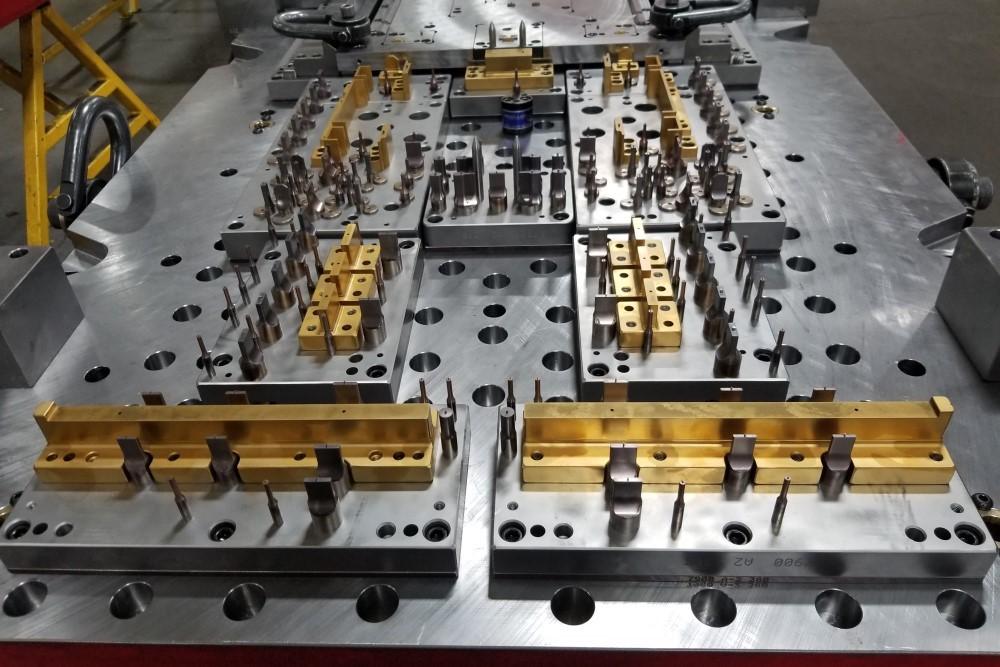
Stamping pre-painted steel presents unique challenges compared to working with bare or uncoated materials. The goal is to preserve the integrity of the painted surface while achieving precise shapes and dimensions. Manufacturers in industries such as automotive, appliance, and construction rely on effective methods to avoid surface defects, maintain coating adhesion, and ensure product quality. This guide explores essential best practices for stamping pre-painted steel, offering actionable tips to help fabricators achieve consistent, high-quality results.
Understanding the nuances of working with coated steels can make a significant difference in production efficiency and finished product appearance. For those looking to further refine their approach, reviewing related resources like best practices for stamping coated steels can provide additional insights on minimizing damage and optimizing process parameters.
Understanding the Challenges of Pre-Painted Steel Stamping
Pre-painted steel, also known as coil-coated or pre-finished steel, is coated with paint or film before forming. This process provides corrosion resistance and aesthetic appeal but introduces potential issues during stamping, such as:
- Surface scratching or marring from die contact
- Paint delamination or flaking at bends and edges
- Edge cracking due to reduced ductility
- Adhesion loss from improper lubrication or excessive force
To overcome these challenges, a combination of material selection, die design, process control, and maintenance is essential. Adopting the right strategies ensures that the coating remains intact and the final product meets both functional and visual standards.
Material Selection and Preparation for Optimal Results
Choosing the right type of pre-painted steel is the foundation for successful stamping. Consider the following factors:
- Coating Type: Polyester, polyurethane, PVDF, and plastisol coatings each have unique properties. Select a coating compatible with your forming requirements.
- Coating Thickness: Thicker coatings may offer better protection but can be more prone to cracking during deep draws or tight bends.
- Substrate Quality: Ensure the base steel has consistent thickness and mechanical properties to avoid variations during stamping.
Before stamping, inspect coils for surface defects and ensure proper storage to prevent contamination or moisture buildup. Cleanliness is crucial—any debris or residue can cause scratches or compromise coating adhesion.
Die Design and Maintenance: Key Factors for Success
Tooling plays a pivotal role in protecting the painted surface during forming. To minimize damage and extend die life, follow these guidelines:
- Polished Die Surfaces: Maintain a mirror-like finish on all working surfaces to reduce friction and prevent marring.
- Generous Radii: Use larger bend radii to reduce stress on the coating and minimize the risk of cracking or delamination.
- Proper Clearances: Set die clearances to accommodate coating thickness and avoid excessive pressure on the painted layer.
- Protective Inserts: Consider using replaceable inserts or overlays made from softer materials in high-wear areas.
Regular die maintenance is essential. Inspect and polish dies frequently, and address any signs of wear or buildup immediately. For comprehensive guidance, consult resources like the die maintenance guide for stamping operations to establish a proactive maintenance routine.

Process Control and Lubrication Techniques
Consistent process parameters are vital for protecting the painted surface and achieving repeatable results. Focus on these aspects:
- Press Speed: Slower speeds can reduce heat and friction, minimizing the risk of coating damage. However, balance speed with productivity needs.
- Lubrication: Use lubricants specifically formulated for pre-painted materials. These reduce friction, prevent galling, and help maintain coating integrity. Apply lubricants evenly and avoid over-application, which can cause residue or affect downstream processes.
- Blank Handling: Automate material handling where possible to reduce manual contact and the risk of scratches.
- Temperature Control: Excessive heat from high-speed stamping or inadequate lubrication can soften or degrade the coating. Monitor and adjust as needed.
Regularly review and adjust process settings based on feedback from quality inspections. Documenting best practices and sharing them with operators helps maintain consistency across shifts and production runs.
Quality Assurance and Inspection Methods
Maintaining high standards requires robust inspection protocols. Key quality checks include:
- Visual Inspection: Examine parts for scratches, chips, or discoloration immediately after stamping.
- Adhesion Testing: Perform tape or cross-hatch tests to verify that the coating remains securely bonded to the substrate.
- Dimensional Checks: Ensure that forming operations do not compromise part geometry or functional requirements.
- Edge Integrity: Inspect cut and formed edges for cracks or coating separation, especially in high-stress areas.
Implementing statistical process control (SPC) can help identify trends and address issues before they impact product quality. Training quality personnel to recognize common defects associated with pre-painted steel is also beneficial.

Operator Training and Continuous Improvement
Even the best equipment and materials can fall short without skilled operators. Invest in training programs that cover:
- Proper handling and storage of pre-painted coils
- Recognizing and reporting surface defects
- Correct die setup and maintenance procedures
- Safe and effective use of lubricants
Encourage a culture of continuous improvement by soliciting feedback from operators and quality teams. Regularly review production data and implement changes to address recurring issues. For those new to the field, resources like steel stamping strip starting procedures can help build foundational skills and confidence.
Integrating Advanced Technologies for Enhanced Results
Modern stamping operations increasingly rely on advanced technologies to improve outcomes with pre-painted steel. Consider implementing:
- Automated Inspection Systems: Vision systems can detect surface defects in real time, allowing for immediate corrective action.
- Simulation Software: Virtual forming simulations help optimize die design and process parameters before production begins.
- Data Analytics: Collect and analyze production data to identify patterns and drive process improvements.
Adopting these tools can reduce scrap rates, improve throughput, and ensure that every part meets customer specifications.
Frequently Asked Questions
What are the most common defects when forming pre-painted steel?
The most frequent issues include surface scratches, paint delamination, edge cracking, and loss of coating adhesion. These can result from improper die design, inadequate lubrication, or excessive forming force.
How can I prevent paint from chipping during stamping?
Use dies with polished surfaces and generous radii, apply suitable lubricants, and select coatings formulated for forming. Regular die maintenance and careful handling of blanks also help minimize chipping.
Is it possible to repair minor coating damage after stamping?
Minor scratches or chips can sometimes be touched up with compatible paints or sealants, but prevention is always preferable. Consistent application of best practices for stamping pre-painted steel reduces the need for post-process repairs and maintains product quality.