
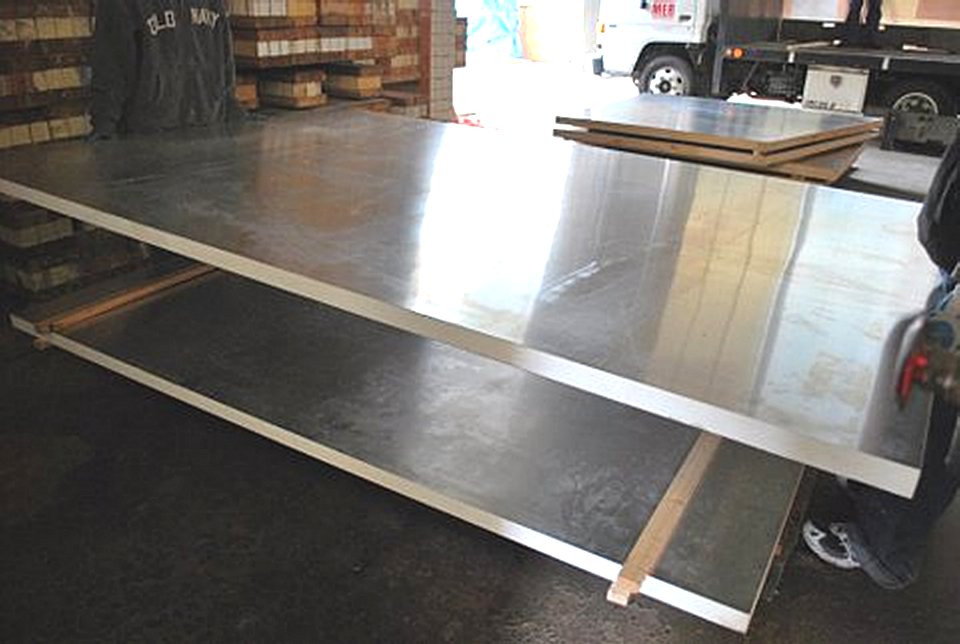
As industries look for ways to reduce their environmental impact and improve operational efficiency, recycled metal fabrication has emerged as a practical solution. By reusing metals in manufacturing processes, companies can cut costs, conserve resources, and support a more sustainable future. This article explores how using recycled metals in fabrication benefits both businesses and the environment, highlighting key advantages, industry applications, and best practices.
For those involved in steel processing, understanding the best practices for stamping coated steels can further enhance the value gained from sustainable fabrication methods.
Understanding Sustainable Metal Fabrication
Sustainable metal fabrication involves the use of recycled materials to produce new components, structures, or products. Instead of relying solely on virgin ore, manufacturers incorporate scrap metal sourced from end-of-life vehicles, appliances, construction debris, and industrial waste. This approach not only reduces the demand for raw materials but also minimizes the energy required for extraction and processing.
The process of recycling metals such as steel, aluminum, and copper is highly efficient. These materials can be melted down and reformed multiple times without losing their essential properties. As a result, recycled metal fabrication supports a circular economy, where resources are kept in use for as long as possible.
Key Environmental Advantages of Using Recycled Metals
One of the most significant benefits of recycled metal fabrication is its positive impact on the environment. Here are some of the main ways it contributes to sustainability:
- Reduced Energy Consumption: Producing metals from recycled sources typically uses far less energy than extracting and refining raw ore. For example, recycling aluminum saves up to 95% of the energy required to produce it from bauxite.
- Lower Greenhouse Gas Emissions: Because less energy is needed, fewer fossil fuels are burned, resulting in a substantial reduction in carbon dioxide and other greenhouse gases.
- Conservation of Natural Resources: By reusing existing metals, manufacturers help preserve finite resources such as iron ore, copper, and bauxite for future generations.
- Decreased Landfill Waste: Recycling keeps scrap metal out of landfills, reducing pollution and the need for new waste management infrastructure.
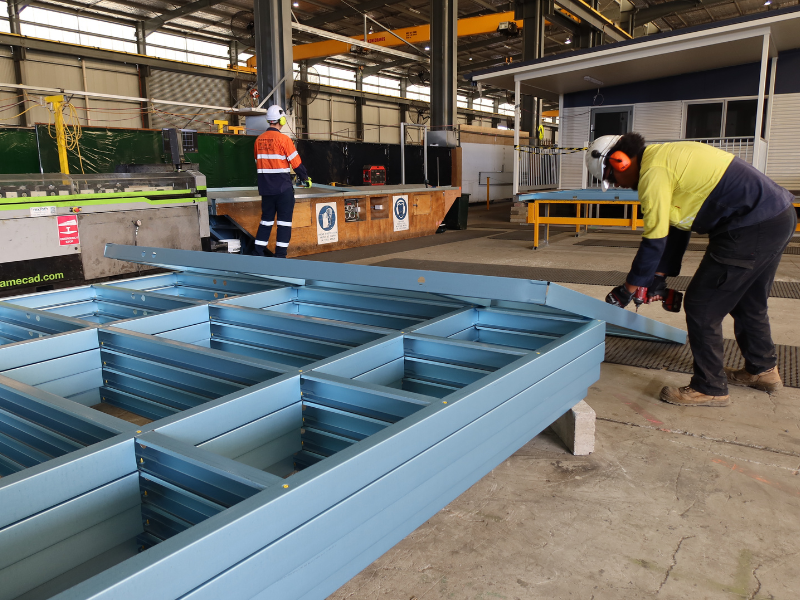
Economic and Operational Benefits for Manufacturers
Beyond environmental gains, adopting recycled metal fabrication offers several practical advantages for businesses:
- Cost Savings: Recycled metals are often less expensive than newly mined materials, helping manufacturers lower production costs and improve profit margins.
- Stable Supply Chains: Sourcing recycled metals can reduce dependence on volatile global markets for raw materials, making supply chains more resilient.
- Quality and Performance: Modern recycling processes ensure that metals retain their strength, durability, and workability, making them suitable for demanding industrial applications.
- Regulatory Compliance and Market Appeal: Many industries face increasing pressure to meet environmental standards. Using recycled materials can help companies comply with regulations and appeal to eco-conscious customers.
Industry Applications: Where Recycled Metal Fabrication Shines
The use of recycled metals is widespread across various sectors. Some of the most notable applications include:
- Construction: Structural steel, rebar, and metal framing often contain a high percentage of recycled content, supporting green building initiatives.
- Automotive: Car manufacturers use recycled steel and aluminum for body panels, frames, and engine components, reducing vehicle weight and improving fuel efficiency.
- Consumer Goods: Appliances, electronics, and packaging frequently incorporate recycled metals, helping brands meet sustainability goals.
- Industrial Equipment: Machinery and tools made from recycled metals offer the same performance as those made from virgin materials.
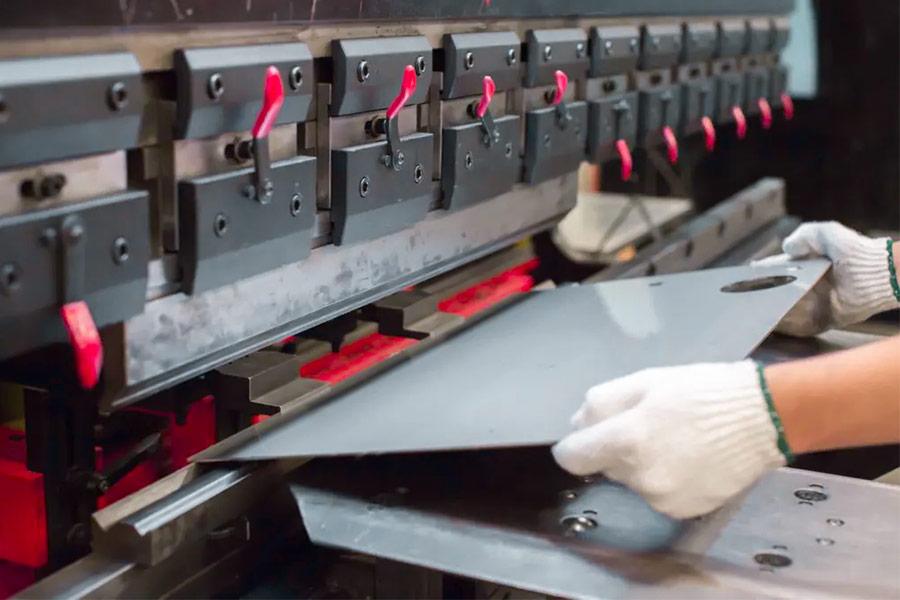
Best Practices for Maximizing the Value of Recycled Metal
To fully realize the advantages of recycled metal fabrication, manufacturers should follow several best practices:
- Source High-Quality Scrap: Work with reputable suppliers to ensure the scrap metal is clean, sorted, and free of contaminants.
- Invest in Advanced Processing: Modern sorting, shredding, and melting technologies can improve the efficiency and quality of recycled metal products.
- Monitor Material Properties: Regular testing ensures that recycled metals meet required standards for strength, ductility, and corrosion resistance.
- Train Operators: Proper training helps staff handle recycled materials safely and efficiently. For more on this topic, see how to train operators for steel stamping safety.
Challenges and Considerations in Sustainable Fabrication
While the environmental and economic benefits of recycled metal fabrication are clear, there are some challenges to consider:
- Material Consistency: Variability in scrap metal quality can affect the properties of the final product. Rigorous quality control is essential.
- Processing Costs: In some cases, additional processing may be required to remove impurities, which can increase costs.
- Market Demand: Not all industries or customers are equally committed to sustainability, which can affect the demand for recycled products.
For a deeper dive into eco-friendly manufacturing techniques, explore this comprehensive guide to sustainable manufacturing and eco-friendly practices in metal fabrication.
Frequently Asked Questions
What types of metals can be recycled for fabrication?
Most common industrial metals, including steel, aluminum, copper, and brass, can be recycled and used in fabrication. These materials retain their properties after recycling, making them suitable for a wide range of applications.
Does using recycled metals affect product quality?
When processed correctly, recycled metals offer the same strength, durability, and performance as virgin materials. Advanced recycling techniques ensure that impurities are removed and material standards are met.
How does recycled metal fabrication help reduce costs?
Recycled metals are typically less expensive than newly mined materials. Lower energy requirements and reduced waste disposal costs also contribute to overall savings for manufacturers.
Are there regulations supporting the use of recycled metals?
Many regions have policies and incentives that encourage the use of recycled materials in manufacturing. These regulations aim to reduce environmental impact and promote sustainable industry practices.
Conclusion: Moving Toward a Greener Industrial Future
Embracing recycled metal fabrication is a practical step for industries aiming to balance profitability with environmental responsibility. By reducing energy use, conserving resources, and lowering costs, this approach supports both business goals and planetary health. As technology advances and market demand for sustainable products grows, the role of recycled metals in manufacturing will only become more important.