
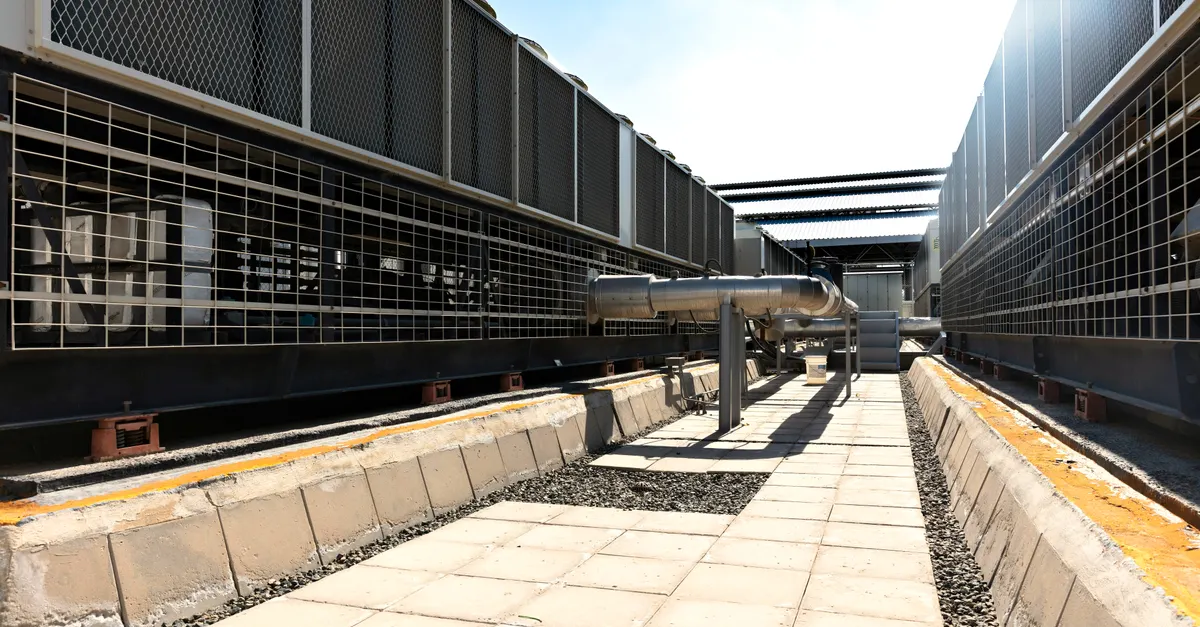
The demand for more efficient, durable, and sustainable heating, ventilation, and air conditioning (HVAC) systems is driving significant changes in material selection. Among these changes, the use of lightweight metal solutions for HVAC systems has become increasingly important. These advanced materials not only reduce the overall weight of HVAC components but also offer enhanced performance, longevity, and environmental benefits. In this guide, we’ll explore the key properties of common lightweight metals, their advantages, and the latest innovations shaping the future of HVAC technology.
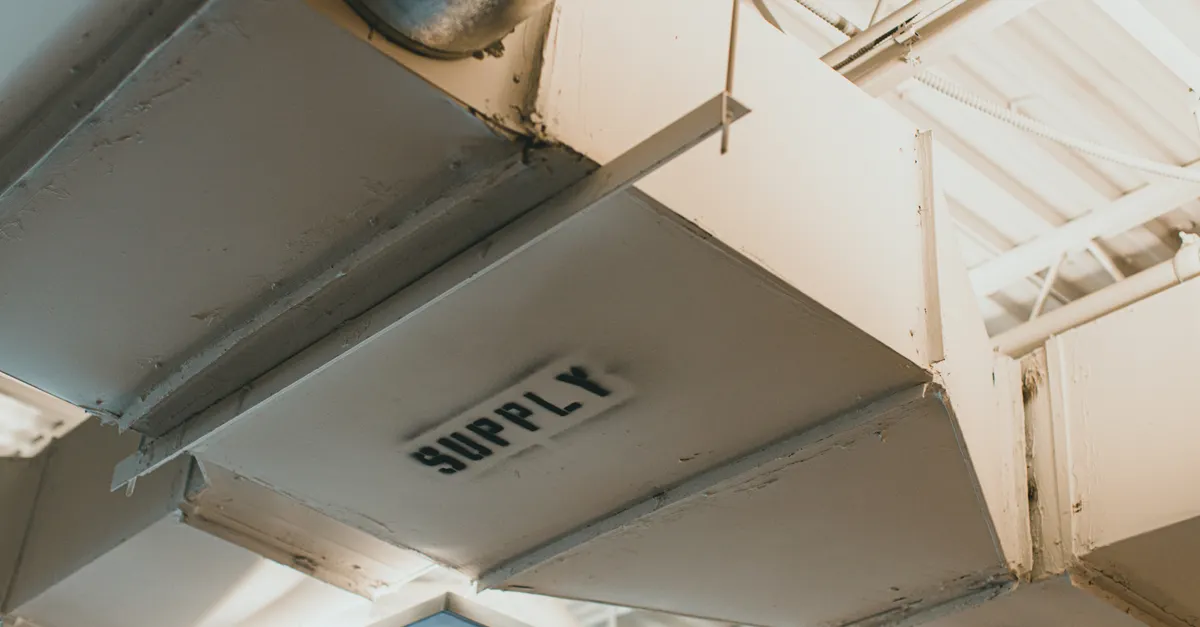
Understanding Lightweight Metals in Modern HVAC Applications
Lightweight metals are metallic materials characterized by their low density and high strength-to-weight ratio. In the context of HVAC systems, these metals are chosen for their ability to provide structural integrity without adding excessive weight. The integration of such materials is crucial for both commercial and residential HVAC installations, where efficiency, ease of installation, and long-term reliability are top priorities.
The importance of lightweight metals in HVAC systems stems from their ability to streamline the manufacturing process, reduce transportation and installation costs, and improve overall system performance. As buildings become more complex and energy standards more stringent, selecting the right materials for HVAC components is a foundational step toward achieving optimal results.
Common Lightweight Metals Used in HVAC Systems
Several metals have become staples in the construction of HVAC components due to their unique properties. The most widely used lightweight metals in this field are aluminum and galvanized steel, each offering distinct advantages for different system requirements.
Aluminum: Versatility and Performance
Aluminum is renowned for being exceptionally light, making it ideal for applications where reducing weight is a priority. According to industry sources, aluminum is not only lightweight but also highly resistant to corrosion and possesses excellent thermal conductivity. This combination of properties makes it a preferred choice for HVAC ducts, coils, and fins, where efficient heat transfer and durability are essential.
- Pros:
- Lightweight and easy to handle
- Excellent resistance to corrosion
- Superior thermal conductivity for efficient heat exchange
- Cons:
- Generally higher material cost than some alternatives
- Lower strength compared to steel, requiring careful design in structural applications
Galvanized Steel: Strength and Durability
Galvanized steel is another mainstay in HVAC construction, particularly for ductwork that demands both strength and resilience. This material is produced by coating steel with a layer of zinc, which enhances its resistance to rust and environmental wear. As noted by industry experts, galvanized steel is valued for its robustness and long service life, making it suitable for large-scale or high-traffic installations.
- Pros:
- High strength and structural stability
- Good resistance to corrosion due to zinc coating
- Cost-effective for large projects
- Cons:
- Heavier than aluminum, which can increase installation effort
- Thermal conductivity is lower than aluminum
Other Metals in HVAC Applications
While aluminum and galvanized steel dominate the field, other metals such as stainless steel and specialized alloys are also used in specific HVAC applications. These materials are chosen for their unique combinations of corrosion resistance, strength, and compatibility with various system requirements.
Key Benefits of Lightweight Metal Solutions for HVAC Systems
The adoption of lightweight metal solutions for HVAC systems offers a range of advantages that directly impact system performance, sustainability, and cost-effectiveness.
Enhanced Energy Efficiency
One of the most significant benefits of using lightweight metals is the improvement in energy efficiency. Materials like aluminum, with their high thermal conductivity, facilitate rapid heat transfer, which is essential for effective heating and cooling. As highlighted by industry research, efficient sheet metal fabrication is fundamental to maintaining optimal airflow and minimizing energy loss in HVAC systems.
Improved Sustainability
Sustainability is a growing concern in building design and operation. Lightweight metals contribute to greener HVAC systems in several ways:
- Reduced material usage and waste due to lower density
- Lower transportation emissions thanks to decreased weight
- High recyclability, especially for aluminum and steel components
These factors align with modern sustainability goals and can help building projects meet environmental certification standards.
Durability and Longevity
Materials such as galvanized steel and aluminum are chosen for their ability to withstand harsh operating conditions, including moisture, temperature fluctuations, and exposure to chemicals. Their inherent corrosion resistance ensures that HVAC components maintain their integrity and performance over many years, reducing the need for frequent repairs or replacements.
Cost and Installation Advantages
Lightweight metals are easier to transport and install, which can lead to significant labor and logistical savings. The reduced weight also places less stress on building structures, potentially lowering the costs associated with support and reinforcement.
For those interested in broader architectural applications, the principles behind these materials are also discussed in resources on lightweight metal components in modern architecture.
Recent Innovations in Lightweight Metal Technologies for HVAC
While traditional materials like aluminum and galvanized steel remain central to HVAC design, recent years have seen notable advancements in lightweight metal technologies. These innovations are aimed at further improving system efficiency, adaptability, and environmental performance.
Advanced Coatings and Treatments
New surface treatments and coatings are being developed to enhance the corrosion resistance and thermal properties of lightweight metals. For example, nano-coatings can provide an extra barrier against moisture and contaminants, extending the life of HVAC components even in challenging environments.
Composite Metal Solutions
Engineers are increasingly exploring composite materials that combine lightweight metals with polymers or other metals to achieve a balance of strength, weight, and thermal performance. These composites can be tailored for specific HVAC applications, offering improved flexibility and design freedom.
Precision Sheet Metal Fabrication
Modern sheet metal fabrication techniques, such as laser cutting and automated bending, allow for highly precise and efficient production of HVAC parts. This not only reduces waste but also enables the creation of complex shapes that optimize airflow and system performance.
Integration with Smart Technologies
The integration of lightweight metals with smart sensors and controls is another area of innovation. By embedding sensors directly into metal components, HVAC systems can monitor temperature, humidity, and air quality in real time, allowing for more responsive and energy-efficient operation.
Comparing Lightweight Metals: Performance and Cost Considerations
Choosing the right lightweight metal for an HVAC application involves balancing several factors, including performance, durability, and cost. Here’s a brief comparison:
| Metal | Key Properties | Typical Uses | Relative Cost |
|---|---|---|---|
| Aluminum | Lightweight, high thermal conductivity, corrosion-resistant | Ducts, coils, fins | Moderate to high |
| Galvanized Steel | Strong, durable, corrosion-resistant (zinc coating) | Ductwork, structural supports | Low to moderate |
| Stainless Steel | Highly corrosion-resistant, strong | Specialized ducts, harsh environments | High |
Ultimately, the choice depends on the specific requirements of the HVAC system, environmental conditions, and budget constraints.
Challenges and Considerations in Using Lightweight Metals
Despite their many benefits, lightweight metals also present certain challenges in HVAC applications:
- Potential for galvanic corrosion when dissimilar metals are used together
- Higher initial material costs for some metals, such as aluminum and stainless steel
- Need for specialized fabrication techniques to maintain material integrity
Addressing these challenges requires careful design, proper material selection, and adherence to best practices in lightweight metal fabrication.
Frequently Asked Questions
What are the main benefits of lightweight metals in HVAC systems?
Lightweight metals offer improved energy efficiency, reduced installation and transportation costs, enhanced durability, and greater sustainability compared to traditional materials. Their high strength-to-weight ratio and resistance to corrosion make them ideal for modern HVAC applications.
Which lightweight metals are most commonly used in HVAC systems?
The most commonly used lightweight metals are aluminum and galvanized steel. Aluminum is valued for its lightness and thermal conductivity, while galvanized steel is chosen for its strength and durability.
How do innovations in lightweight metal technology impact HVAC system performance?
Recent innovations, such as advanced coatings, composite materials, and precision fabrication methods, have improved the efficiency, lifespan, and adaptability of HVAC components. These advancements enable systems to operate more effectively while reducing environmental impact.
Conclusion
The use of lightweight metal solutions for HVAC systems represents a significant step forward in the pursuit of efficient, durable, and sustainable building technologies. By leveraging the unique properties of materials like aluminum and galvanized steel, and embracing ongoing innovations in metal technology, HVAC systems can achieve higher performance standards and contribute to greener, more cost-effective buildings. As the industry continues to evolve, staying informed about material advancements and best practices will be key to maximizing the benefits of lightweight metals in HVAC design and construction.