
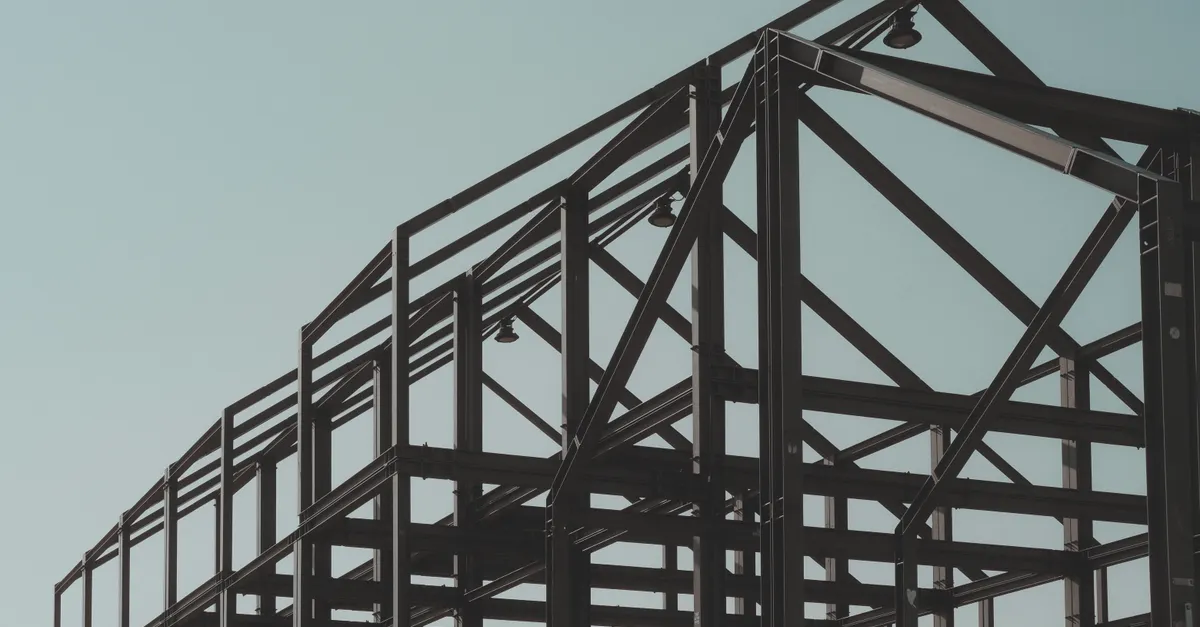
Lightweight metals have become increasingly important in modern construction, offering a unique combination of strength, durability, and reduced weight. As building designs evolve to prioritize efficiency, sustainability, and innovative architecture, selecting the right material is a critical decision. Understanding how to choose lightweight metals for building projects can help ensure structural integrity, cost-effectiveness, and long-term performance. This article explores the essential properties, compares leading metal options, and provides practical guidance for making informed choices in construction.
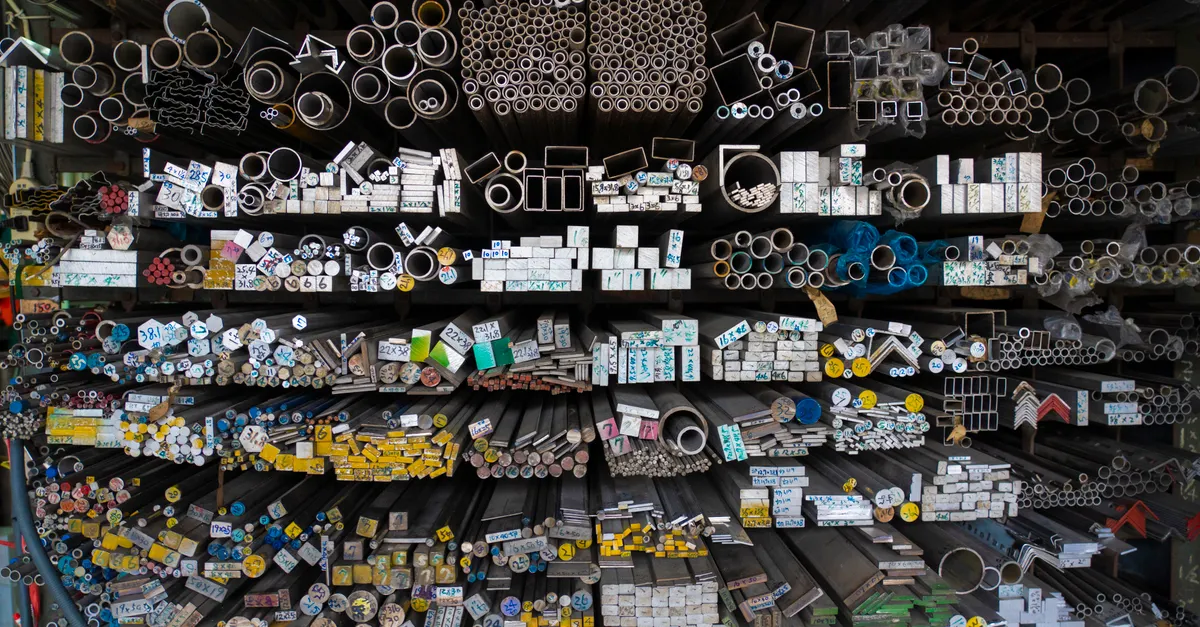
Key Properties of Lightweight Metals in Construction
When evaluating materials for construction, certain characteristics make lightweight metals particularly attractive. These metals are defined by their low density and high strength, which allow for significant weight reduction without compromising structural integrity. According to industry resources, these properties are crucial for applications where minimizing load is essential, such as in high-rise buildings, bridges, and modular structures.
Key properties to consider include:
- Density: Lower density means less weight per unit volume, making transport and installation easier.
- Strength-to-weight ratio: A high ratio ensures the material can support loads efficiently while keeping the structure light.
- Corrosion resistance: Essential for longevity, especially in outdoor or humid environments.
- Workability: The ease with which a metal can be cut, welded, or formed impacts construction speed and design flexibility.
- Recyclability: Metals that are easy to recycle contribute to sustainable building practices.
These factors collectively influence the suitability of a lightweight metal for specific building applications, balancing performance with practical considerations.
Comparing Aluminum, Magnesium, and Titanium for Building Projects
Three metals stand out for their use in construction: aluminum, magnesium, and titanium. Each offers distinct advantages and trade-offs, making the selection process highly project-dependent.
Aluminum
Aluminum is widely used due to its excellent strength-to-weight ratio, corrosion resistance, and affordability. It is easy to work with and can be extruded into complex shapes, making it ideal for window frames, curtain walls, roofing, and structural components. Its natural oxide layer provides protection against rust, reducing maintenance needs.
- Pros:
- Lightweight and strong
- Highly resistant to corrosion
- Cost-effective compared to other lightweight metals
- Easy to fabricate and join
- Cons:
- Lower strength than titanium
- Can be prone to deformation under high loads
Magnesium
Magnesium is the lightest structural metal available, making it valuable where extreme weight savings are required. It is often used in applications where reducing mass is a top priority, such as in temporary structures or modular buildings. However, magnesium is more susceptible to corrosion and requires protective coatings or alloying to improve durability.
- Pros:
- Extremely low density
- Good strength-to-weight ratio
- Easy to machine and cast
- Cons:
- Less corrosion resistant than aluminum or titanium
- More expensive than aluminum
- Requires careful handling due to flammability in certain forms
Titanium
Titanium is renowned for its exceptional strength, low weight, and outstanding corrosion resistance. It is often chosen for high-performance or specialized construction, such as in coastal environments or where longevity is paramount. The main drawback is cost—titanium is significantly more expensive than aluminum or magnesium, and its fabrication requires specialized techniques.
- Pros:
- Highest strength-to-weight ratio among common lightweight metals
- Excellent resistance to corrosion, even in harsh environments
- Long lifespan and minimal maintenance
- Cons:
- High material and processing costs
- More difficult to work with compared to aluminum
For a deeper dive into how these metals compare in construction, you may find the discussion on lightweight structural metals for construction helpful for understanding their real-world applications.
Applications of Lightweight Metals in Modern Construction
Lightweight metals are used across a wide range of building applications, each leveraging their unique properties to achieve specific project goals. Some of the most common uses include:
- Structural frameworks: Aluminum and titanium are often used in load-bearing frames for their strength and durability.
- Facade and cladding systems: Lightweight metals provide sleek, modern aesthetics while reducing the load on building exteriors.
- Roofing and canopies: Their low weight makes installation easier and reduces the need for heavy supporting structures.
- Bridges and walkways: Magnesium and aluminum alloys are used where minimizing weight is crucial for spanning large distances.
- Temporary and modular buildings: Magnesium’s low density is ideal for structures that need to be moved or reconfigured frequently.
In addition to these, lightweight metals play a key role in sustainable design, as they can be recycled and reused, supporting eco-friendly construction practices. For more on this aspect, see the article about lightweight structural metals in sustainable design.
How to Choose Lightweight Metals for Building Projects
Selecting the right metal involves balancing several factors, each of which can significantly impact the outcome of your project. Here are the primary considerations:
- Structural requirements: Assess the load-bearing needs and environmental conditions. For critical structures, always consult a qualified engineer to ensure safety and compliance with building codes.
- Cost: While aluminum is generally the most affordable, magnesium and titanium offer performance advantages at a higher price. Evaluate your budget and the long-term value of each option.
- Corrosion resistance: For projects in coastal or humid environments, prioritize metals with high resistance to rust and corrosion, such as titanium or coated aluminum.
- Ease of fabrication: Consider the complexity of your design and whether the metal can be easily formed, welded, or joined using standard construction methods.
- Environmental impact: Recyclability and the embodied energy of the metal are important for sustainable projects. Aluminum, for example, is highly recyclable and widely available.
- Availability: Ensure the chosen metal is readily accessible in the required forms and quantities to avoid project delays.
It’s important to recognize the limits of DIY assessment. While you can research and compare materials, a professional evaluation is essential for any structural or load-bearing application. Consulting with a structural engineer or materials specialist will help you avoid costly mistakes and ensure the safety of your building.

Conclusion and Practical Recommendations
Choosing the most suitable lightweight metal for your construction project requires a careful assessment of strength, weight, cost, and environmental factors. Aluminum is often the go-to for its balance of performance and affordability, while magnesium is best for applications where minimizing weight is paramount. Titanium offers unmatched strength and corrosion resistance but comes at a premium price. Always factor in the specific requirements of your project and consult professionals for structural assessments to ensure safety and compliance.
By understanding the key properties and applications of each metal, you can make informed decisions that support both the performance and sustainability of your building. For additional guidance on material selection, see resources on how to choose the right steel grade for stamping and related topics.
Frequently Asked Questions
What are the most common lightweight metals used in construction?
The most widely used lightweight metals in construction are aluminum, magnesium, and titanium. Each offers a unique combination of strength, weight, and resistance to corrosion, making them suitable for different building applications.
How do I determine which lightweight metal is best for my project?
Consider the structural demands, environmental exposure, budget, and fabrication needs of your project. For load-bearing structures, always consult a professional engineer to ensure the chosen metal meets safety standards and building codes.
Are lightweight metals environmentally friendly?
Many lightweight metals, especially aluminum, are highly recyclable and support sustainable building practices. Choosing recycled materials and considering the full lifecycle impact can further enhance the environmental benefits of your construction project.