
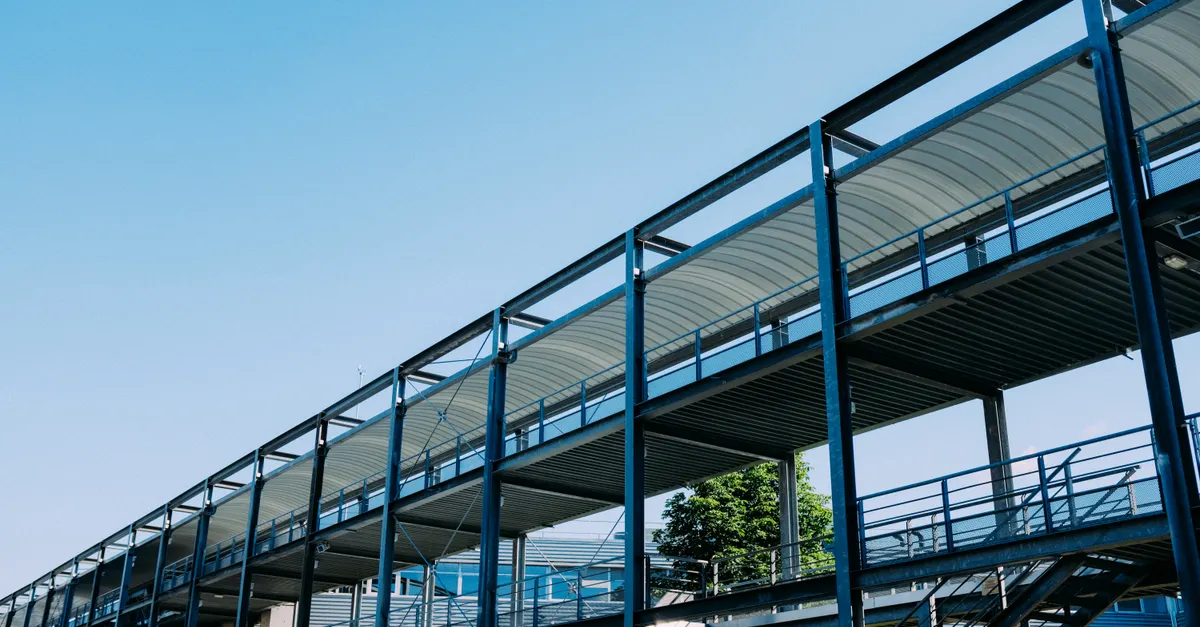
Metal building systems have become a cornerstone of contemporary construction, offering a range of benefits that set them apart from traditional methods. As the demand for efficient, sustainable, and adaptable structures grows, these systems are increasingly favored for commercial, industrial, and even residential projects. Understanding the metal building systems advantages can help decision-makers choose the right approach for their next build, especially when weighing factors like cost, durability, and environmental impact.
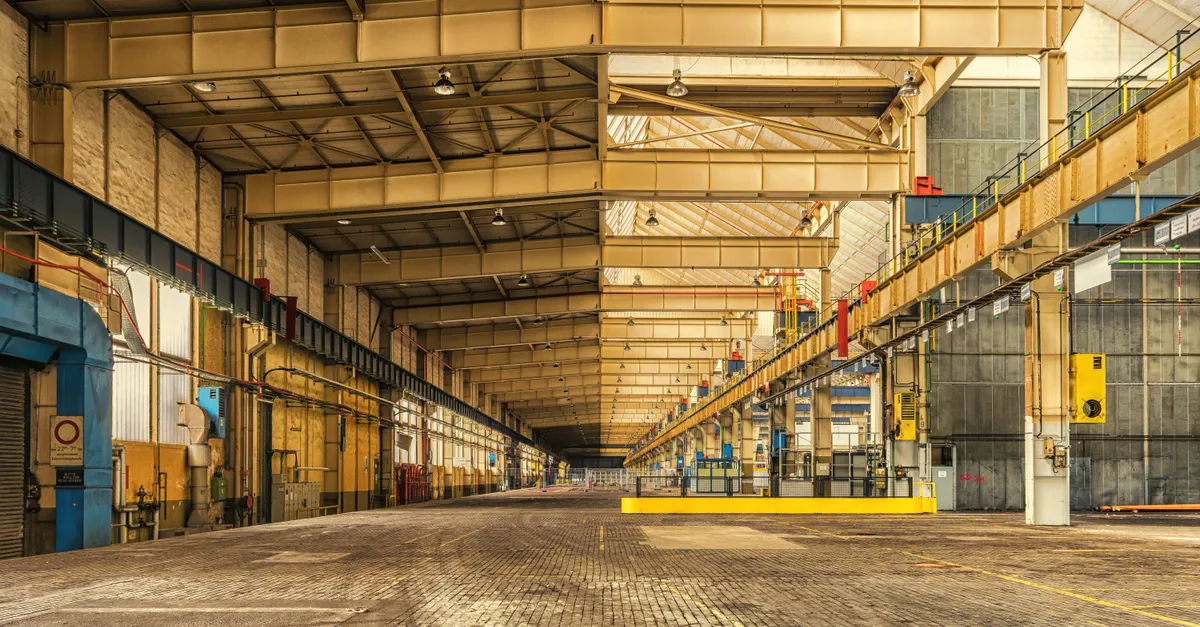
Understanding Metal Building Systems in Today’s Construction
Metal building systems refer to structures primarily composed of steel or other metals, engineered and fabricated off-site before being assembled on location. These systems, often called pre-engineered metal buildings, are designed to meet specific project requirements, including local building codes and load standards. Their relevance in modern construction stems from their ability to deliver reliable performance, adaptability, and efficiency, making them a preferred choice for warehouses, factories, retail spaces, and more.
1. Cost Efficiency Compared to Traditional Construction
One of the most significant metal building systems advantages is their cost-effectiveness. Unlike traditional construction, which often involves extensive labor, longer timelines, and unpredictable material costs, metal buildings are engineered for streamlined assembly and minimal waste. According to industry sources, pre-engineered metal buildings can be tailored to local codes and loads, helping to avoid costly overbuilding or compliance issues.
Key contributors to cost savings include:
- Reduced labor costs due to faster assembly and fewer specialized trades required.
- Lower material waste as components are fabricated to precise specifications.
- Minimal maintenance needs, since metal structures resist rot, pests, and warping common in wood-framed buildings.
- Predictable project budgets thanks to standardized production and fewer on-site surprises.
In contrast, traditional construction methods can be subject to fluctuating material prices, weather delays, and higher labor demands, all of which can inflate costs. For manufacturers and commercial developers, these savings can be substantial over the life of the building.
2. Durability and Longevity Outperforming Conventional Materials
Durability is another area where metal building systems excel. Steel and other metals used in these structures offer superior resistance to environmental factors that commonly degrade wood or masonry buildings. For example, metal does not suffer from termite damage, mold, or rot, and is less susceptible to fire.
Modern metal buildings are engineered to withstand high winds, heavy snow loads, and seismic activity, making them suitable for a wide range of climates and geographies. The protective coatings and finishes applied to metal panels further extend their lifespan, often resulting in structures that remain functional and attractive for decades with minimal upkeep.
Compared to traditional construction, which may require frequent repairs or replacements of roofing, siding, and structural elements, metal buildings offer a clear advantage in long-term performance. This durability translates into lower life-cycle costs and greater peace of mind for owners and operators.
3. Environmental Sustainability and Green Building Benefits
Environmental considerations are increasingly important in construction, and metal building systems offer notable advantages in this area. Steel, the primary material in most systems, is highly recyclable and often contains a significant percentage of recycled content. At the end of a building’s life, the metal components can be recycled again, reducing landfill waste.
Additionally, the precision of off-site fabrication minimizes construction waste, and the inherent strength of metal allows for lighter foundations and reduced resource consumption. Many metal buildings are designed to accommodate energy-efficient insulation, daylighting, and ventilation systems, supporting green building certifications and lower operational energy use.
Compared to traditional methods, which may rely on resource-intensive materials like concrete or wood, metal systems provide a more sustainable path. For organizations focused on metal industry ESG practices, choosing metal building systems aligns with broader environmental, social, and governance goals.
4. Construction Speed and Project Efficiency
Time is a critical factor in construction, and metal building systems are designed for rapid deployment. The pre-engineered nature of these buildings means that most components arrive at the job site ready for immediate assembly, reducing the time spent on-site and the risk of weather-related delays.
Key efficiency benefits include:
- Shorter construction timelines compared to traditional builds, sometimes by several weeks or months.
- Less disruption to surrounding operations or communities, as on-site work is minimized.
- Streamlined coordination with fewer subcontractors and simplified logistics.
Traditional construction often involves multiple phases, each dependent on the completion of the last, which can lead to bottlenecks and delays. In contrast, the modular approach of metal systems allows for parallel processes and faster project delivery, helping owners realize returns on investment sooner.
5. Design Flexibility and Versatility for Diverse Applications
Modern metal building systems are not limited to basic box-like warehouses. Advances in engineering and fabrication allow for a wide range of architectural styles, rooflines, and finishes, making these systems suitable for retail, office, recreational, and even residential projects.
Benefits of design flexibility include:
- Customizable layouts to suit specific operational needs.
- Expandable structures that can be modified or enlarged as requirements change.
- Integration of advanced features such as skylights, mezzanines, and specialized loading areas.
While traditional construction can also offer customization, it often comes at a higher cost and longer timeline. Metal systems deliver both versatility and efficiency, making them a compelling option for forward-thinking builders and developers.
Comparing Metal Building Systems and Traditional Methods
To make an informed decision, it’s helpful to directly compare the two approaches:
| Aspect | Metal Building Systems | Traditional Construction |
|---|---|---|
| Cost | Lower upfront and life-cycle costs, predictable budgets | Higher labor/material costs, more variability |
| Durability | Resistant to pests, rot, fire, and severe weather | Vulnerable to decay, pests, and fire |
| Environmental Impact | Highly recyclable, minimal waste, energy efficient | Resource-intensive, more waste, harder to recycle |
| Construction Speed | Fast assembly, minimal delays | Longer timelines, weather-dependent |
| Design Flexibility | Customizable, adaptable, easy to expand | Customizable but often slower and costlier |
Frequently Asked Questions
What are the main cost benefits of choosing metal building systems?
The main cost benefits include reduced labor expenses, minimal material waste, and lower ongoing maintenance. Metal systems are engineered for efficient assembly, which shortens construction timelines and helps keep budgets predictable.
How do metal building systems perform in terms of durability?
These structures are highly durable, resisting common issues like rot, pests, and fire. With proper coatings and maintenance, metal buildings can last for decades, often outlasting traditional wood or masonry constructions.
Are metal building systems environmentally friendly?
Yes, metal buildings are considered environmentally friendly due to their recyclability, efficient use of materials, and compatibility with energy-saving features. They generate less construction waste and can contribute to sustainable building certifications.
Conclusion
Metal building systems offer a compelling set of advantages for modern construction, including cost efficiency, durability, sustainability, rapid assembly, and design versatility. By directly comparing these systems to traditional construction methods, it’s clear that metal solutions provide tangible benefits for a wide range of projects. For those seeking to maximize value, minimize environmental impact, and ensure long-term performance, exploring the potential of metal building systems is a smart move in today’s evolving construction landscape.