
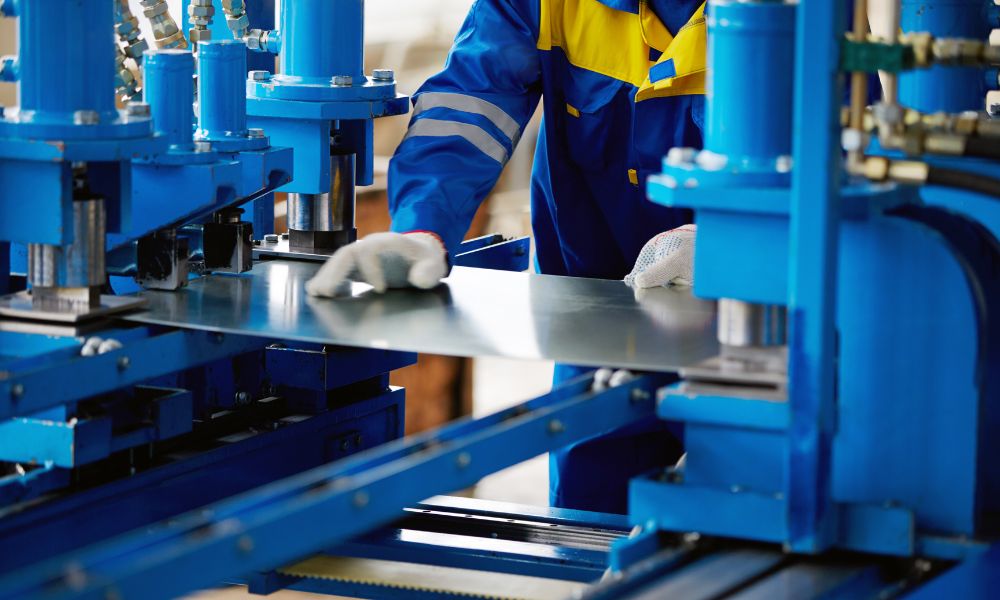
Achieving efficiency, safety, and sustainability in metal structures relies on a thorough understanding of structural optimization in metal engineering. As industries demand lighter, stronger, and more cost-effective solutions, engineers must adopt best practices that balance performance, resource use, and environmental responsibility. This article explores essential strategies, modern tools, and actionable tips for optimizing metal structures in today’s competitive landscape.
From advanced simulation techniques to sustainable material choices, the field has evolved rapidly. Companies are increasingly integrating advanced materials recovery systems and prioritizing resource efficiency. By following proven approaches, engineers can deliver structures that meet stringent requirements while minimizing waste and lifecycle costs.
Key Principles for Efficient Metal Structure Design
Effective structural optimization in metal engineering starts with a clear understanding of the project’s functional requirements. Engineers must consider load paths, intended use, environmental factors, and safety margins. The following principles are fundamental:
- Material Efficiency: Select alloys and profiles that provide the necessary strength with minimal weight.
- Geometry Optimization: Use shapes and layouts that distribute stresses evenly and reduce concentrations.
- Manufacturability: Design with fabrication and assembly processes in mind to avoid unnecessary complexity.
- Lifecycle Considerations: Factor in durability, maintenance, and recyclability from the outset.
Incorporating these principles not only enhances performance but also supports sustainability goals. For example, integrating best practices for metal waste reduction can significantly lower production costs and environmental impact.
Modern Tools and Simulation Techniques
Advancements in computational modeling have transformed how engineers approach optimization. Finite element analysis (FEA) and topology optimization software allow for precise simulations of stress, deformation, and failure modes. These tools help identify areas where material can be reduced without compromising safety.
Key benefits of using simulation in metal structure design include:
- Rapid evaluation of multiple design alternatives
- Visualization of stress distribution and potential weak points
- Accurate prediction of real-world performance
- Integration with manufacturing constraints for practical solutions
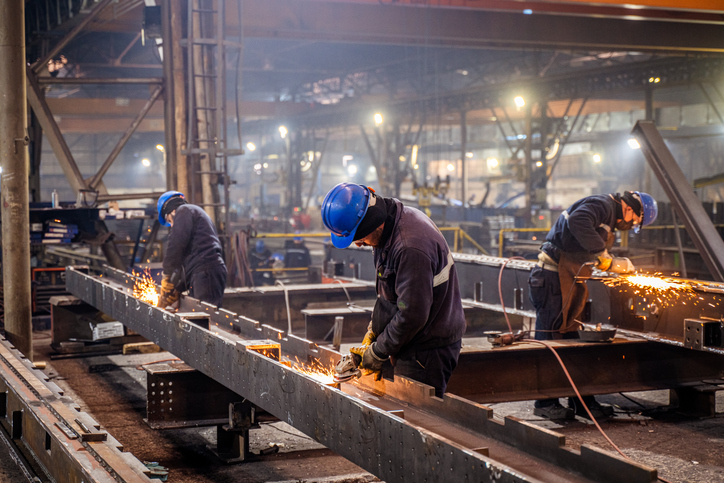
By leveraging these digital tools, teams can iterate quickly and make data-driven decisions. This approach is especially valuable when working with complex geometries or when seeking to minimize material usage in large-scale projects.
Material Selection and Sustainability Considerations
Choosing the right material is central to structural optimization in metal engineering. Factors such as strength-to-weight ratio, corrosion resistance, and cost must be balanced. Common materials include steel, aluminum, and advanced alloys, each offering unique advantages.
Sustainability is increasingly important. Many organizations now focus on using recycled metals and designing for end-of-life recyclability. For further insights, see these industrial sustainability case studies metals to understand how leading companies are reducing their environmental footprint.
Additionally, responsible sourcing and efficient use of resources contribute to both environmental and economic goals. The role of sustainability and recycling in the metallurgy industry is becoming a defining factor in project success and regulatory compliance.
Manufacturing Processes and Quality Control
Optimized designs must be matched with suitable manufacturing techniques. Common processes in metal engineering include cutting, welding, forming, and machining. Each method has implications for structural integrity and cost.
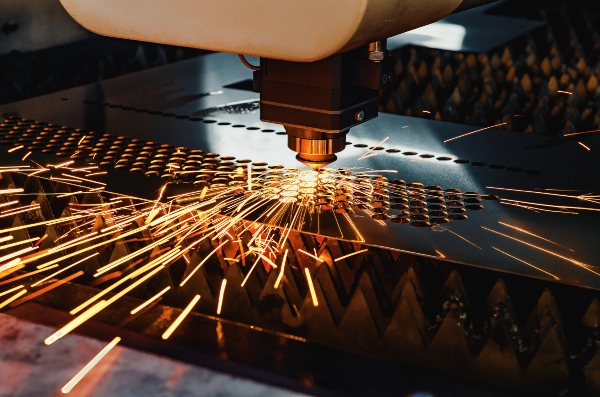
Quality control is critical at every stage. Non-destructive testing, dimensional inspections, and process monitoring help ensure that the finished structure meets all specifications. Investing in reliable measurement tools and skilled technicians can prevent costly rework and enhance long-term reliability.
Integrating Digitalization and Automation
Digital transformation is reshaping metal engineering. Automation, robotics, and data analytics streamline production and improve consistency. By connecting design, simulation, and manufacturing systems, teams can reduce errors and accelerate project timelines.
Innovations such as innovations in metal recycling technology are also driving efficiency and sustainability. Automated sorting and processing enable higher recovery rates and better use of secondary materials, supporting both economic and environmental objectives.
Best Practices for Ongoing Improvement
Continuous improvement is essential for maintaining competitiveness. Leading organizations regularly review their processes, adopt new technologies, and invest in workforce training. Key best practices include:
- Regularly updating design standards and guidelines
- Encouraging cross-functional collaboration between design, manufacturing, and quality teams
- Implementing feedback loops from field performance to inform future projects
- Staying informed about regulatory changes and industry trends
Emphasizing environmental responsibility is also crucial. For more information, explore the environmental responsibility in steel companies guide to see how industry leaders are meeting new challenges.
FAQ: Structural Optimization in Metal Engineering
What are the main benefits of optimizing metal structures?
Optimized metal structures offer improved strength-to-weight ratios, reduced material costs, enhanced safety, and increased sustainability. They also tend to have lower lifecycle costs due to efficient use of resources and easier maintenance.
How does simulation software contribute to better designs?
Simulation tools allow engineers to model stress, deformation, and failure scenarios before fabrication. This helps identify potential issues early, optimize material usage, and ensure that the final structure meets all performance criteria.
Why is sustainability important in metal engineering?
Sustainability reduces environmental impact, meets regulatory requirements, and often leads to cost savings. Using recycled materials, designing for recyclability, and minimizing waste all contribute to a more responsible and future-proof approach.
How can companies stay updated with best practices?
Regular training, industry networking, and reviewing resources such as industrial sustainability case studies metals help organizations stay current with evolving standards and technologies.
By following these strategies and leveraging the latest tools, professionals in the field can achieve outstanding results in metal structure design and fabrication. Prioritizing efficiency, quality, and sustainability will ensure long-term success in a rapidly changing industry.