
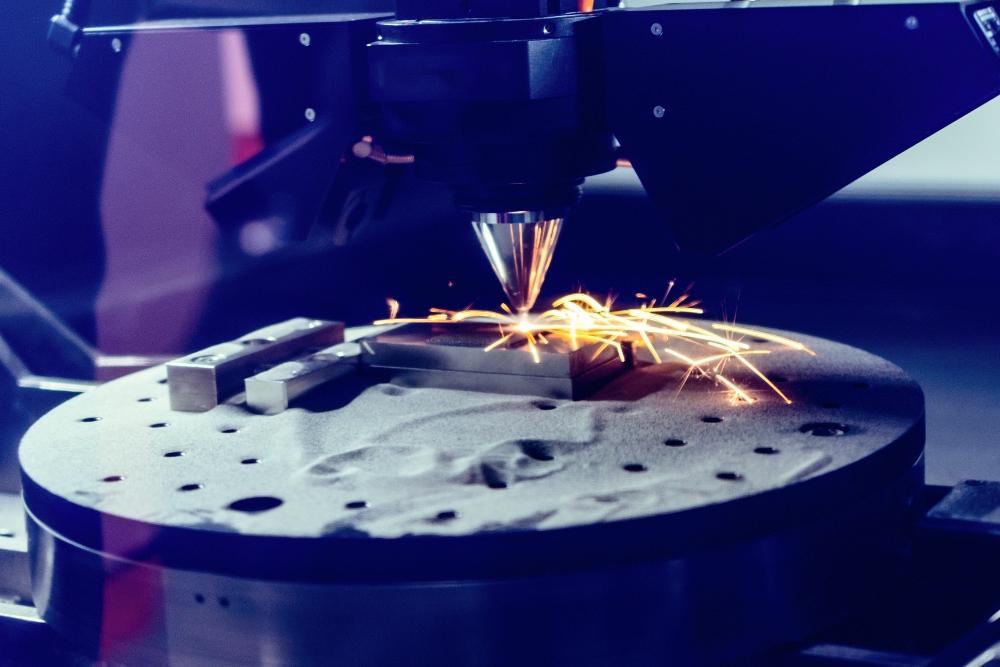
The metal manufacturing sector is undergoing a profound transformation as digital technologies become deeply integrated into production processes. Industry 4.0 in metal manufacturing represents a shift toward smarter, more connected, and highly automated factories. This evolution is not just about adopting new machines—it’s about leveraging data, connectivity, and intelligent systems to drive efficiency, reduce waste, and stay competitive in a rapidly changing global market.
From the shop floor to the executive office, decision-makers are seeking ways to optimize operations, improve quality, and minimize environmental impact. By embracing the principles of smart manufacturing, companies can unlock new levels of productivity and sustainability. For those interested in further enhancing sustainability, exploring industrial sustainability case studies metals can provide valuable insights into successful strategies already implemented in the industry.
Understanding Smart Manufacturing in the Metal Industry
Smart manufacturing is the application of digital technologies—such as the Industrial Internet of Things (IIoT), artificial intelligence, and advanced analytics—to traditional metalworking processes. This approach enables real-time monitoring, predictive maintenance, and seamless integration between machines, systems, and people. The result is a more agile and responsive production environment that can quickly adapt to changing demands and challenges.
Key components of this digital transformation include:
- Connected machinery that communicates data across the production line
- Automated quality control using sensors and vision systems
- Cloud-based platforms for centralized data management
- Predictive analytics to anticipate equipment failures and optimize maintenance
- Integration of supply chain and logistics with production planning
By implementing these technologies, metal manufacturers can achieve greater transparency, reduce downtime, and improve overall equipment effectiveness (OEE).
Key Technologies Powering the Digital Revolution
The rise of Industry 4.0 in metal manufacturing is fueled by several core technologies. Each plays a unique role in enhancing efficiency and driving innovation:
- Industrial Internet of Things (IIoT): Sensors and devices collect real-time data from machines, enabling continuous monitoring and process optimization.
- Artificial Intelligence (AI) and Machine Learning: AI algorithms analyze vast amounts of data to identify patterns, predict failures, and recommend process improvements.
- Robotics and Automation: Advanced robots handle repetitive or hazardous tasks, improving safety and consistency.
- Cloud Computing: Centralized data storage and processing allow for scalable, flexible operations and easier collaboration across locations.
- Digital Twins: Virtual replicas of physical assets help simulate and optimize production scenarios before changes are made on the shop floor.
These technologies work together to create a connected ecosystem where information flows freely, supporting data-driven decision-making at every level.

Boosting Efficiency Through Data-Driven Operations
One of the most significant benefits of digital transformation in metalworking is the ability to make informed decisions based on real-time data. By connecting machines and systems, manufacturers can:
- Monitor production metrics such as cycle times, yield rates, and energy consumption
- Identify bottlenecks and inefficiencies as they occur
- Schedule predictive maintenance to reduce unplanned downtime
- Optimize material usage and reduce scrap
For example, a metal fabrication plant can use IIoT sensors to track the performance of cutting machines. If a sensor detects abnormal vibration, the system can alert maintenance staff before a breakdown occurs, preventing costly delays. This proactive approach also supports best practices for metal waste reduction, as it minimizes material loss due to equipment failure.
Data-driven insights empower teams to continuously improve processes, leading to higher throughput, better quality, and lower operational costs.
Improving Sustainability and Resource Management
As environmental regulations tighten and customers demand greener products, sustainability has become a top priority for metal manufacturers. The adoption of smart technologies enables companies to:
- Track and optimize energy consumption across the facility
- Reduce raw material waste through precise process control
- Monitor emissions and comply with environmental standards
- Implement closed-loop recycling and recovery systems
Integrating advanced analytics and automation helps organizations achieve their sustainability goals while maintaining profitability. For those interested in further exploring eco-friendly solutions, the article on environmental responsibility in steel companies offers practical guidance for reducing environmental impact in steel production.
Challenges and Considerations for Implementation
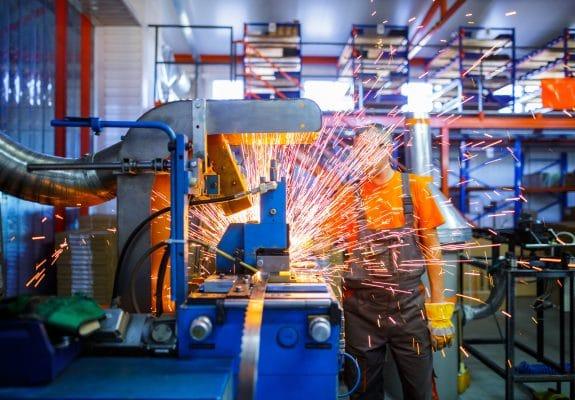
While the benefits of digital transformation are clear, the journey is not without obstacles. Common challenges include:
- High initial investment in new technologies and infrastructure
- Integration of legacy equipment with modern systems
- Cybersecurity risks associated with increased connectivity
- Need for workforce training and change management
Addressing these challenges requires a strategic approach. Companies should start with pilot projects to demonstrate value, invest in employee training, and develop a clear roadmap for scaling up digital initiatives. Collaboration with technology partners and industry experts can also help overcome technical and operational barriers.
For a deeper dive into how advanced recovery systems can support these efforts, see the guide on advanced materials recovery systems for metal plants.
Real-World Impact and Future Outlook
Early adopters of smart manufacturing in the metal sector are already seeing tangible results. Benefits include:
- Reduced lead times and faster response to customer demands
- Lower operational costs through automation and process optimization
- Improved product quality and consistency
- Enhanced ability to meet regulatory and customer requirements
Looking ahead, the ongoing evolution of digital technologies will continue to shape the future of metalworking. Innovations such as additive manufacturing, advanced robotics, and AI-driven supply chains are set to further enhance efficiency and flexibility. For those interested in staying ahead of the curve, exploring innovations in metal recycling technology can reveal emerging trends and opportunities.
For a comprehensive academic perspective on the subject, the ScienceDirect article on Industry 4.0 applications in metal manufacturing provides an in-depth analysis of current research and practical applications.
Frequently Asked Questions
What is the main goal of adopting smart manufacturing in metalworking?
The primary objective is to enhance operational efficiency, reduce costs, and improve product quality by leveraging digital technologies such as IIoT, AI, and automation. These tools enable real-time monitoring, predictive maintenance, and data-driven decision-making throughout the production process.
How does digital transformation help with sustainability in the metal industry?
By enabling precise control over energy use, material consumption, and emissions, smart manufacturing helps companies reduce waste and comply with environmental regulations. Automated systems and analytics also support closed-loop recycling and resource recovery, contributing to a more sustainable operation.
What are the biggest challenges when implementing Industry 4.0 solutions?
Common hurdles include the cost of new technology, integrating legacy equipment, ensuring cybersecurity, and upskilling the workforce. A phased approach, starting with small-scale pilots and investing in employee training, can help organizations overcome these challenges and realize the benefits of digital transformation.