
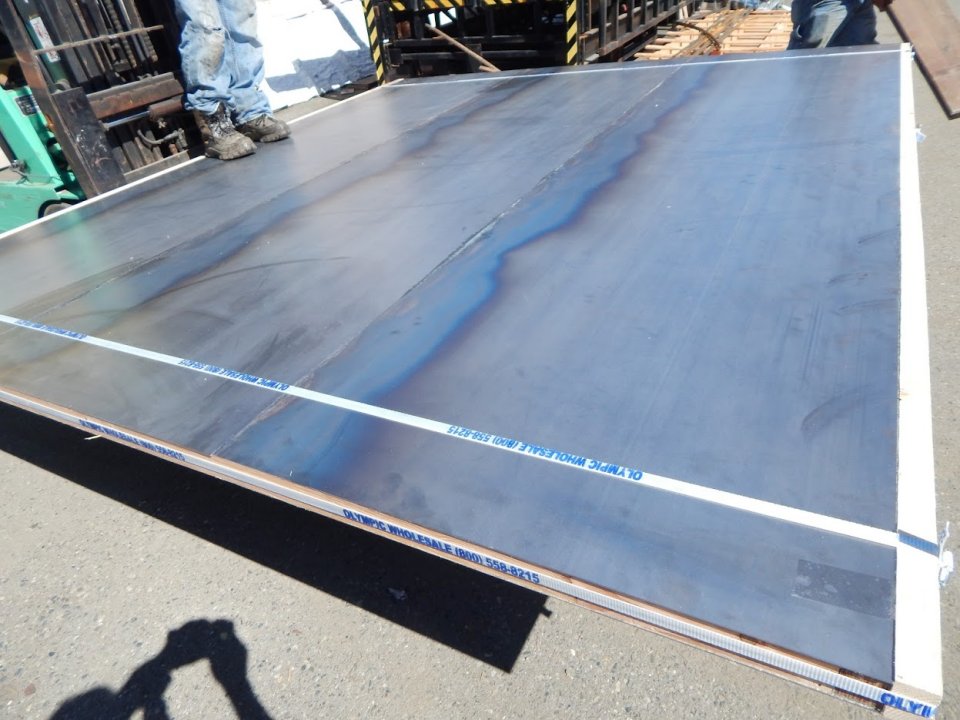
As industries strive to reduce their environmental impact, using recycled steel in fabrication has become a cornerstone of sustainable manufacturing. This approach not only conserves natural resources but also supports a circular economy, where materials are reused and repurposed rather than discarded. By integrating recycled steel into production processes, manufacturers can significantly lower their carbon footprint while maintaining the strength and versatility that steel is known for.
The shift toward eco-friendly practices in metalworking is more than a trend—it’s a necessity. Companies are increasingly held accountable for their environmental performance, and customers are demanding greener products. For those involved in steel stamping and fabrication, understanding how to incorporate recycled materials effectively is essential for staying competitive and compliant with evolving regulations.
For those interested in optimizing processes further, exploring steel stamping edge quality optimization can complement the use of recycled materials, ensuring both sustainability and high-quality results.
Environmental Benefits of Recycled Steel in Manufacturing
The environmental advantages of integrating recycled steel into fabrication processes are substantial. Steel is one of the most recycled materials globally, with a recovery rate that surpasses many other metals. By choosing recycled steel, manufacturers help reduce the demand for raw ore extraction, which is both energy-intensive and environmentally disruptive.
- Reduced Energy Consumption: Producing steel from recycled scrap requires up to 74% less energy compared to using virgin materials.
- Lower Greenhouse Gas Emissions: The use of recycled steel can cut CO2 emissions by as much as 86%.
- Conservation of Natural Resources: Recycling steel preserves iron ore, coal, and limestone, which are finite resources.
- Minimized Landfill Waste: Repurposing steel scrap keeps valuable materials out of landfills and reduces the need for new disposal sites.
These benefits align with global sustainability goals and support manufacturers in meeting stricter environmental standards.
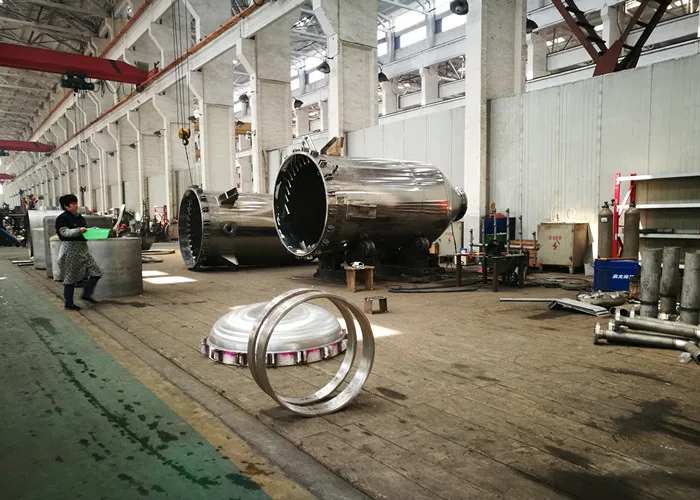
How Recycled Steel Is Processed for Fabrication
The journey from scrap to finished product involves several key steps. Scrap steel is collected from sources such as demolished buildings, end-of-life vehicles, and manufacturing offcuts. It is then sorted, cleaned, and melted in electric arc furnaces—a process that is far less energy-intensive than traditional blast furnaces.
Once melted, the steel is refined to remove impurities and cast into new shapes, such as billets, bars, or sheets. These forms are then used in a variety of fabrication processes, including stamping, cutting, and welding. The resulting products maintain the same mechanical properties as those made from virgin steel, making recycled steel a reliable choice for demanding applications.
Applications and Advantages in Metal Fabrication
Recycled steel is used across a wide range of industries, from construction and automotive to consumer goods and infrastructure. Its consistent quality and performance make it suitable for structural beams, panels, fasteners, and more.
- Cost Savings: Recycled steel is often less expensive than newly produced steel, offering direct savings to manufacturers.
- Regulatory Compliance: Many green building certifications, such as LEED, reward the use of recycled content in construction materials.
- Market Differentiation: Companies that prioritize recycled materials can appeal to environmentally conscious customers and stakeholders.
- Supply Chain Resilience: Relying on recycled steel can help buffer against fluctuations in raw material prices and availability.
For those working with coated steels, following best practices for stamping coated steels ensures that the benefits of recycled content are not offset by processing challenges.
Challenges and Solutions in Sustainable Steel Fabrication
While the advantages are clear, there are practical considerations when adopting recycled steel in fabrication. Variability in scrap quality, contamination, and supply chain logistics can pose challenges. However, advancements in sorting technologies and quality control have made it easier to ensure consistent input materials.
Manufacturers can work closely with suppliers to specify the grade and composition of recycled steel required for their applications. Implementing robust inspection and testing protocols further ensures that the final products meet all necessary standards.
Additionally, training operators in safe and efficient handling of recycled materials is crucial. Resources such as how to train operators for steel stamping safety provide valuable guidance for maintaining safety and quality in the workplace.
Integrating Circular Economy Principles
Embracing a circular approach means designing products and processes that facilitate recycling and reuse from the outset. This includes selecting materials that are easy to separate and recycle, as well as designing components for disassembly at the end of their lifecycle.
Manufacturers can also collaborate with partners across the supply chain to create closed-loop systems, where scrap generated during fabrication is collected and reintroduced into production. This not only reduces waste but also creates new business opportunities in material recovery and recycling services.
Industry Trends and Future Outlook
The momentum behind sustainable steel production is growing. Innovations in recycling technologies, such as advanced sorting and purification methods, are making it easier to produce high-quality recycled steel. Policy incentives and consumer demand are also driving greater adoption of eco-friendly practices.
Companies that invest in sustainable fabrication now are likely to benefit from regulatory advantages, improved brand reputation, and long-term cost savings. For further insights into eco-friendly manufacturing, explore sustainable and eco-friendly practices in metalworking to see how industry leaders are making a difference.
FAQ: Recycled Steel in Modern Fabrication
What percentage of steel used in fabrication is typically recycled?
Globally, more than 85% of steel is recycled at the end of its life. In many fabrication facilities, recycled content can make up 60–90% of the steel used, depending on supply and quality requirements.
Does using recycled steel affect the strength or durability of finished products?
No, products made from recycled steel have the same mechanical properties as those produced from virgin materials. Modern recycling and refining processes ensure that recycled steel meets all industry standards for strength and durability.
How can manufacturers ensure the quality of recycled steel in their processes?
Quality is maintained through rigorous sorting, cleaning, and refining of scrap steel before it is melted and recast. Manufacturers should work with reputable suppliers and implement testing protocols to verify the composition and properties of incoming materials.
Are there specific certifications for products made with recycled steel?
Yes, certifications such as LEED and other green building standards often recognize and reward the use of recycled content in construction and manufacturing. Suppliers may also provide documentation on the recycled content of their steel products.
Conclusion
Adopting using recycled steel in fabrication is a practical and impactful way to advance sustainability in manufacturing. By leveraging recycled materials, companies can reduce their environmental impact, achieve cost savings, and meet the expectations of regulators and customers alike. As technologies and best practices continue to evolve, the role of recycled steel in fabrication will only become more central to responsible production.