
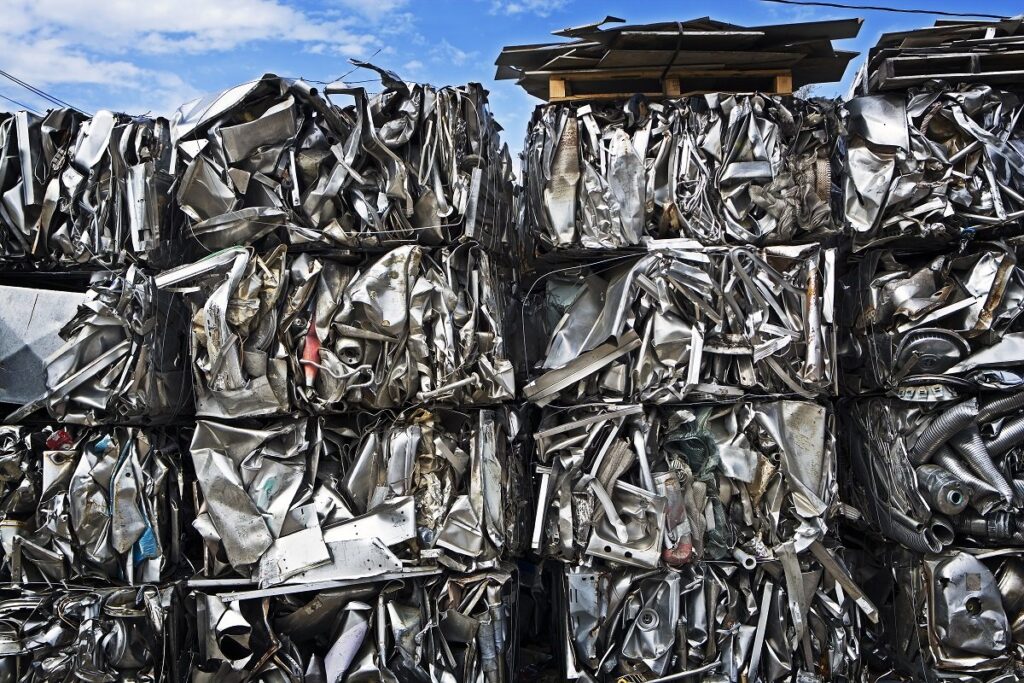
The shift toward sustainability has transformed how industries source and process raw materials. One of the most significant changes in recent years is the widespread adoption of recycled metals in manufacturing. Companies across automotive, construction, electronics, and consumer goods sectors are increasingly relying on reclaimed materials to meet both economic and environmental goals. Understanding why manufacturers use recycled metals helps clarify the practical, financial, and ecological reasons driving this trend.
This article explores the main motivations behind the use of recycled metals, the benefits for businesses and the environment, and how these practices are shaping the future of industrial production. For a closer look at how recycled materials are already present in daily life, see the uses of recycled metals in products across various industries.
Economic Advantages of Using Recycled Metals
One of the primary reasons companies turn to recycled metals is cost efficiency. Extracting and refining virgin ore is a resource-intensive process that requires significant energy, labor, and capital investment. In contrast, recycling existing metal products is generally less expensive and more predictable in terms of supply and pricing.
- Lower Production Costs: Reprocessing scrap metals consumes less energy and reduces the need for new mining operations, resulting in lower overhead for manufacturers.
- Stable Supply Chains: By sourcing from recycling streams, companies can mitigate risks associated with fluctuating raw material prices and international supply disruptions.
- Reduced Waste Disposal Fees: Utilizing scrap metal helps businesses avoid landfill costs and other waste management expenses.
These financial incentives make recycled metals an attractive option for manufacturers looking to remain competitive in global markets.
Environmental Impact and Sustainability Benefits
Sustainability is a key driver behind the increased use of recycled metals. The process of reusing metals significantly reduces the environmental footprint of manufacturing operations. Here’s how:
- Energy Conservation: Recycling metals like aluminum and steel saves up to 95% and 60% of the energy required for primary production, respectively.
- Lower Greenhouse Gas Emissions: Less energy consumption means fewer emissions, helping companies meet regulatory standards and climate goals.
- Conservation of Natural Resources: By reusing existing materials, manufacturers help preserve finite mineral reserves and reduce the need for environmentally disruptive mining activities.
- Waste Reduction: Diverting scrap metal from landfills minimizes environmental pollution and supports circular economy principles.
For more on the environmental practices shaping the industry, explore metal recycling and sustainability and how they contribute to greener production cycles.
Types of Metals Commonly Recycled in Industry
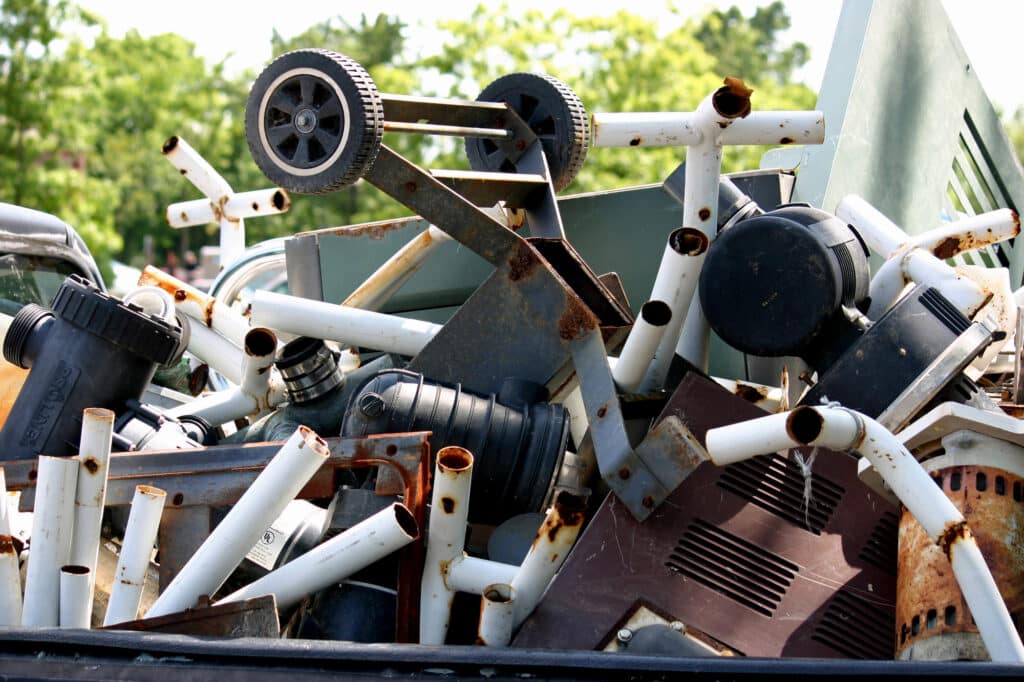
Manufacturers use a wide range of recycled metals, each with unique properties and applications. The most frequently reclaimed materials include:
- Steel: Ubiquitous in construction, automotive, and machinery, steel is the most recycled metal worldwide due to its magnetic properties and ease of separation.
- Aluminum: Lightweight and corrosion-resistant, recycled aluminum is widely used in packaging, transportation, and consumer electronics.
- Copper: Essential for electrical wiring and plumbing, copper retains its conductivity and durability even after multiple recycling cycles.
- Stainless Steel: Valued for its strength and resistance to rust, stainless steel is reclaimed from appliances, kitchenware, and industrial equipment.
To learn more about the process of reclaiming specific metals, see the recycled copper process or explore recycling stainless steel for detailed methods and benefits.
Quality and Performance of Recycled Metals
A common misconception is that recycled metals are inferior to newly mined materials. In reality, most metals can be recycled repeatedly without losing their core properties. Modern sorting and refining technologies ensure that reclaimed metals meet strict industry standards for purity and performance.
- Consistent Quality: Advanced processing removes impurities, resulting in high-grade materials suitable for demanding applications.
- Versatility: Recycled metals are used in everything from car parts to electronics, infrastructure, and packaging.
- Regulatory Compliance: Many industries require the use of recycled content to meet environmental certifications and government mandates.
How Recycled Metals Support Innovation and Circular Economy
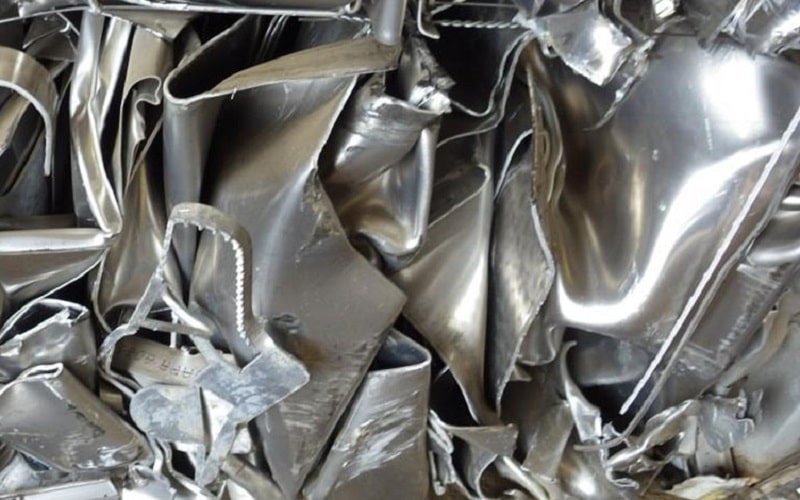
The integration of recycled metals into manufacturing is not just about cost savings or compliance. It also drives innovation and supports the development of a circular economy, where materials are kept in use for as long as possible. Companies are designing products with recyclability in mind, making it easier to recover valuable metals at the end of a product’s life cycle.
In the automotive sector, for example, manufacturers are increasingly using recycled steel and aluminum in new vehicles. For more on how reclaimed materials are used in transportation, see how car parts are recycled for sustainable use.
Additionally, the electronics industry is finding new ways to extract precious metals from discarded devices, reducing the need for mining and minimizing electronic waste. These practices not only conserve resources but also create new business opportunities in recycling technology and material recovery.
Challenges and Considerations in Metal Recycling
While the benefits of using recycled metals are clear, there are also challenges to consider. Sorting and processing mixed scrap can be complex, especially when dealing with alloys or contaminated materials. Maintaining a consistent supply of high-quality scrap is essential for large-scale manufacturers.
Regulatory requirements, transportation logistics, and fluctuating scrap prices can also impact the feasibility of recycling programs. However, ongoing advances in sorting, shredding, and refining technologies are helping to address these obstacles and make metal recycling more efficient and accessible.
For a deeper understanding of what types of metals can be recycled and how they are processed, visit this comprehensive guide to recyclable metals.
Frequently Asked Questions
What Are the Main Reasons Companies Choose Recycled Metals?
Businesses opt for recycled metals to reduce production costs, conserve energy, minimize environmental impact, and ensure a stable supply of raw materials. These advantages help companies remain competitive and meet sustainability targets.
Do Recycled Metals Have the Same Quality as New Metals?
Yes, most metals can be recycled multiple times without losing their essential properties. Modern recycling processes ensure that reclaimed metals meet industry standards for strength, purity, and performance.
Which Industries Benefit Most from Using Recycled Metals?
Sectors such as automotive, construction, electronics, and packaging make extensive use of recycled metals. These industries value the cost savings, environmental benefits, and regulatory compliance that come with using reclaimed materials.
How Does Metal Recycling Help the Environment?
Recycling metals reduces the need for mining, conserves natural resources, lowers greenhouse gas emissions, and keeps waste out of landfills. This supports a more sustainable and responsible approach to manufacturing.