

The concept of what is recycled metal has become increasingly important as industries and consumers look for ways to reduce waste and conserve resources. Recycled metal refers to scrap or used metal materials that have been collected, processed, and transformed into new products or raw materials for manufacturing. This process not only conserves natural resources but also reduces energy consumption and environmental impact.
From construction and automotive manufacturing to electronics and packaging, the use of repurposed metals is a cornerstone of sustainable industrial practices. Understanding how these materials are collected, processed, and reintegrated into the supply chain can help businesses and individuals make informed decisions about resource management and environmental responsibility.
If you’re interested in learning more about the different types of scrap metals and their uses, you may find this detailed overview of recycled scrap metal applications helpful.
Understanding the Basics of Recycled Metal
At its core, recycled metal is any metal that has completed its initial lifecycle and is reprocessed for further use. This includes items like aluminum cans, steel beams, copper wiring, and even old appliances. The recycling process involves collecting, sorting, cleaning, and melting down these materials so they can be shaped into new products or used as raw materials in manufacturing.
The most commonly recycled metals are:
- Steel – Found in cars, construction materials, and appliances.
- Aluminum – Used in beverage cans, window frames, and aircraft parts.
- Copper – Present in electrical wiring, plumbing, and electronics.
- Brass and Bronze – Often recycled from plumbing fixtures and decorative items.
The recycling of these metals is crucial because it significantly reduces the need for mining and extraction, which are energy-intensive and environmentally disruptive processes.
How the Metal Recycling Process Works
The journey of recycled metal from waste to new product involves several key steps:
- Collection: Scrap metal is gathered from households, businesses, demolition sites, and industrial operations.
- Sorting: Metals are separated by type (ferrous and non-ferrous) using magnets, sensors, and manual sorting.
- Cleaning: Contaminants such as paint, plastic, or rubber are removed to ensure the purity of the recycled material.
- Shredding and Melting: The clean metal is shredded into smaller pieces and melted in large furnaces.
- Purification and Solidification: The molten metal is purified and then cast into shapes like bars, sheets, or pellets for use in manufacturing.

Applications of Recycled Metal in Modern Industry
The use of recycled metal spans a wide range of sectors, reflecting its versatility and economic value. Some of the most significant applications include:
- Construction: Recycled steel and aluminum are widely used in building frameworks, bridges, and infrastructure projects.
- Automotive Manufacturing: Many car parts, including body panels and engines, are made from repurposed metals, reducing both costs and environmental impact.
- Packaging: Aluminum cans and containers are among the most recycled products, often returning to store shelves in as little as 60 days.
- Electronics: Copper and other metals recovered from old devices are essential for producing new electronics and wiring.
- Industrial Equipment: Heavy machinery and tools often incorporate recycled components to maintain durability and performance.
By integrating recycled materials, industries can lower production costs, reduce greenhouse gas emissions, and contribute to a more circular economy.
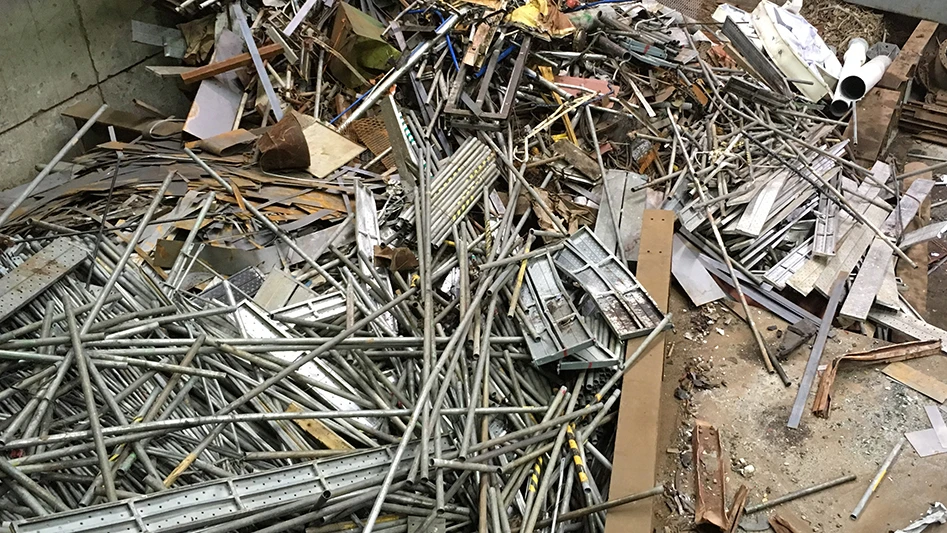
Benefits of Using Recycled Metals
There are several compelling reasons why industries and governments are prioritizing the use of recycled metal:
- Environmental Protection: Recycling metals reduces the need for mining, which helps preserve natural habitats and decreases pollution.
- Energy Savings: Producing new metals from recycled materials uses significantly less energy compared to extracting and refining virgin ore.
- Economic Efficiency: Using recycled resources can lower manufacturing costs and create jobs in the recycling sector.
- Waste Reduction: Diverting scrap metal from landfills helps manage waste more effectively and extends the lifespan of landfill sites.
- Resource Conservation: Reusing metals ensures that finite resources are preserved for future generations.
Challenges and Considerations in Metal Recycling
While the advantages are clear, there are also challenges to consider when dealing with recycled metal:
- Quality Control: Ensuring that recycled metals meet the required standards for specific applications can be complex, especially when dealing with mixed or contaminated materials.
- Collection and Sorting: Efficiently gathering and separating different types of metals requires advanced technology and infrastructure.
- Market Fluctuations: The value of scrap metal can vary widely, affecting the profitability of recycling operations.
- Public Awareness: Increasing participation in recycling programs depends on effective education and accessible collection systems.
Addressing these challenges is essential for maximizing the benefits of metal recycling and supporting a more sustainable industrial future.
Frequently Asked Questions
What types of metals can be recycled?
Most metals can be recycled, including steel, aluminum, copper, brass, and bronze. Some specialty metals, like titanium and nickel alloys, are also recyclable but may require specialized processes.
How does recycling metal help the environment?
Recycling metal conserves natural resources, reduces energy consumption, and lowers greenhouse gas emissions. It also minimizes the amount of waste sent to landfills and decreases the environmental impact of mining and extraction.
Is recycled metal as strong as new metal?
In most cases, recycled metal retains the same properties and strength as newly produced metal. Proper processing and quality control ensure that recycled materials meet industry standards for performance and durability.