
Every year, millions of tons of metal are discarded from homes, businesses, and industrial sites. But what actually takes place after these materials are picked up by recycling services or scrap dealers? Understanding what happens to scrap metal after it leaves your property sheds light on the recycling process, its environmental benefits, and the journey metals take before returning as new products. This guide will walk through each stage, from collection to final reuse, highlighting the value of responsible metal recycling.
The path from discarded item to recycled resource is more complex than simply dropping metal into a bin. Along the way, scrap metal is sorted, processed, melted, and transformed—contributing to resource conservation and supporting the circular economy. If you’re interested in how recycled metals impact product quality, you can learn more about the impact of recycled metals on quality and why manufacturers increasingly rely on these materials.
Collection and Transportation: The First Step in Metal Recycling
The journey begins at the point of collection. Scrap metal is gathered from a variety of sources, including households, construction sites, demolition projects, and manufacturing facilities. Specialized recycling companies and scrap yards collect both ferrous metals (like steel and iron) and non-ferrous metals (such as copper, aluminum, and brass).
Once collected, the materials are transported to processing facilities. These centers are equipped to handle large volumes and are often strategically located near industrial zones or ports for efficient logistics. During transportation, care is taken to prevent contamination and loss of valuable metals.
Sorting and Preparation: Separating Valuable Materials
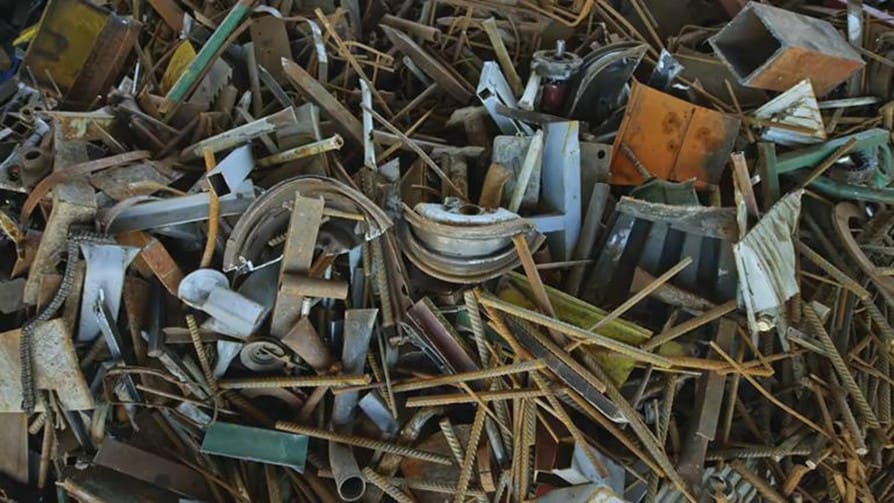
At the recycling facility, the next phase involves sorting and preparing the scrap. This is a crucial step in determining what happens to scrap metal after it arrives at the plant. Workers and machines separate metals by type and grade, using magnets for ferrous metals and advanced sensors or manual sorting for non-ferrous varieties.
Contaminants such as plastics, rubber, or paint are removed to ensure the purity of the recycled product. Some facilities use shredders and crushers to break down larger pieces, making them easier to handle and process. For those interested in the machinery behind this stage, investing in a reliable shredding machine can make a significant difference in efficiency.

Processing and Melting: Transforming Scrap into Raw Material
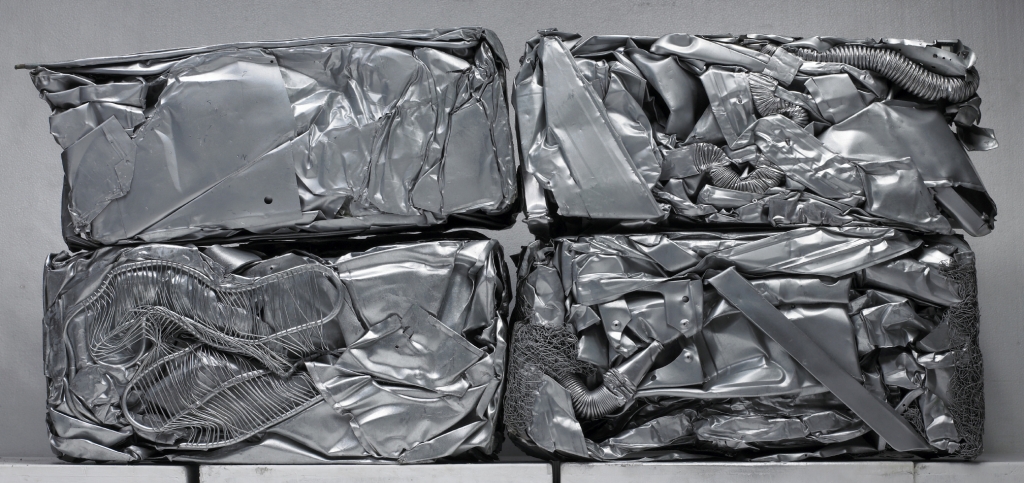
After sorting, the clean and categorized scrap is ready for processing. This typically involves further shredding or compacting to reduce size and increase surface area, which helps in the melting process. The prepared metal is then loaded into large furnaces, where it is heated to extremely high temperatures.
Melting times vary depending on the type and quantity of metal. Steel, for example, requires different furnace conditions than aluminum or copper. During melting, impurities rise to the surface and are removed, ensuring the resulting metal is of high quality.
The molten metal is then poured into molds or cast into shapes such as bars, ingots, or sheets. This raw material is now ready to be used in manufacturing new products, closing the recycling loop.
Manufacturing and Reuse: The Final Destination for Recycled Metals
Once the metal has been processed and formed, it is sold to manufacturers who use it to create a wide range of products. These can include anything from automotive parts and building materials to electronics and packaging. The use of recycled metals not only conserves natural resources but also reduces the energy required compared to producing metal from virgin ore.
For a deeper look at how recycled metals contribute to sustainability, read about the energy savings from metal recycling and how these practices help reduce overall carbon emissions. Manufacturers benefit from cost savings and a lower environmental footprint, while consumers can feel confident that their recycling efforts make a tangible difference.
Environmental and Economic Benefits of Metal Recycling
The process outlined above not only diverts waste from landfills but also delivers significant environmental and economic advantages. Recycling metals saves substantial amounts of energy—up to 95% in the case of aluminum—compared to primary production. It also reduces greenhouse gas emissions and conserves finite natural resources.
The economic impact is equally important. The metal recycling industry creates jobs, supports local economies, and provides affordable raw materials for manufacturers. By participating in metal recycling, individuals and businesses contribute to a more sustainable and efficient resource cycle.
To understand how these practices support broader sustainability goals, explore how recycling supports circular economy initiatives and why recycled metals are a preferred choice for many industries.
Common Uses for Recycled Scrap Metals
The applications for recycled metals are diverse and ever-expanding. Some of the most common uses include:
- Automotive manufacturing (car bodies, engine parts)
- Construction materials (beams, rebar, roofing)
- Consumer goods (appliances, electronics, packaging)
- Infrastructure projects (bridges, railways)
- Industrial equipment and machinery
For more details on the end uses of different types of recycled metals, see this overview of how various recycled scrap metals are used in industry.
Challenges and Innovations in Scrap Metal Processing
While the recycling process is well established, it is not without challenges. Contamination, improper sorting, and the presence of hazardous materials can complicate processing and reduce the quality of the final product. Advances in technology, such as automated sorting systems and more efficient furnaces, are helping to address these issues.
Ongoing research focuses on improving recovery rates and expanding the range of metals that can be efficiently recycled. As demand for sustainable materials grows, the industry continues to innovate, ensuring that more metal waste is transformed into valuable resources.
Frequently Asked Questions
What types of metals can be recycled?
Most metals are recyclable, including steel, iron, aluminum, copper, brass, and lead. Both ferrous and non-ferrous metals can be processed, though the methods may differ depending on the material.
How does recycling metal help the environment?
Recycling metal conserves natural resources, saves energy, and reduces greenhouse gas emissions. It also minimizes landfill waste and supports the development of a circular economy.
What happens if scrap metal is not properly sorted?
Improperly sorted scrap can lead to contamination, lower-quality recycled products, and increased processing costs. Accurate sorting ensures that each type of metal is processed correctly and efficiently.
Are products made from recycled metals as strong as those made from new metals?
Yes, in most cases, products made from recycled metals are just as strong and durable as those made from virgin materials. Advances in processing technology ensure high-quality outcomes for a wide range of applications.
Conclusion
The path from discarded metal to new product is a vital part of modern resource management. By understanding the stages involved—collection, sorting, processing, and manufacturing—individuals and businesses can appreciate the value and impact of recycling. The benefits go beyond waste reduction, supporting environmental sustainability and economic growth. For those interested in the broader implications, consider reading about how recycled metals reduce emissions and why manufacturers are increasingly turning to recycled resources.