
The role of wastewater treatment metal fabrication is essential in supporting the infrastructure that keeps water clean and communities safe. From custom tanks and piping to complex filtration systems, metalwork is at the heart of every modern treatment facility. Understanding how these components are designed, manufactured, and maintained can help facility managers, engineers, and sustainability advocates make informed decisions about their operations.
As environmental regulations become stricter and the demand for sustainable solutions grows, the fabrication of metal parts for water treatment is evolving rapidly. This article explores the processes, materials, and innovations shaping the field, with a focus on efficiency, durability, and environmental responsibility. For those interested in broader sustainable practices, you can also learn about eco friendly metal fabrication and how it impacts manufacturing across industries.
Why Metal Fabrication Matters in Water Treatment
Facilities that process wastewater rely on robust, corrosion-resistant structures to handle harsh chemicals, fluctuating temperatures, and constant moisture. Metal fabrication for wastewater treatment delivers the strength and longevity required for tanks, clarifiers, aerators, and support frames. These components must meet strict standards for hygiene and safety, as even minor failures can lead to contamination or costly downtime.
The choice of materials—often stainless steel, aluminum, or specialty alloys—directly impacts the lifespan and maintenance needs of treatment equipment. Skilled fabricators use advanced techniques such as welding, cutting, and forming to create custom solutions that fit the unique requirements of each facility.
Key Processes in Fabricating Metal for Treatment Plants
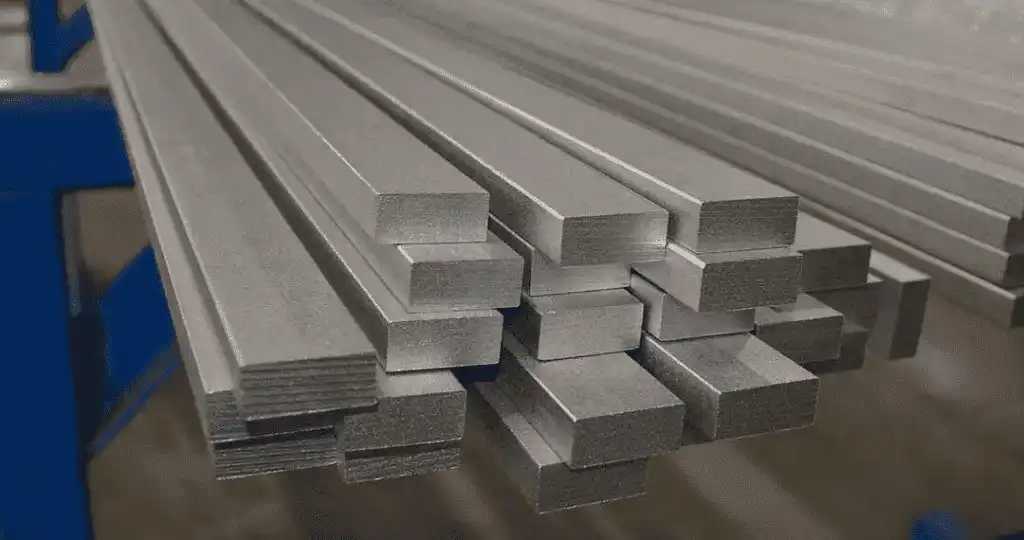
The fabrication of metal parts for water treatment involves several critical steps, each designed to ensure performance and reliability. Here’s a closer look at the main processes:
- Design and Engineering: Every project begins with detailed plans that consider the chemical environment, load requirements, and space constraints. Computer-aided design (CAD) software is commonly used to model components and simulate their performance.
- Material Selection: Choosing the right metal is crucial. Stainless steel is popular for its corrosion resistance, while duplex alloys and coated steels are used for particularly aggressive environments.
- Cutting and Shaping: Techniques like plasma cutting, laser cutting, and waterjet cutting allow for precise shapes and minimal waste. Forming processes such as bending and rolling create the necessary contours for tanks and pipes.
- Welding and Assembly: Skilled welders join parts using methods tailored to the metal type and thickness. Quality control is rigorous, with inspections and pressure testing to ensure leak-free performance.
- Finishing and Coating: Surfaces may be polished, passivated, or coated to enhance durability and prevent contamination. Proper finishing extends the service life of each component.
Common Applications of Custom Metalwork in Water Treatment
The range of fabricated metal products used in water treatment is extensive. Some of the most common applications include:
- Tanks and Vessels: Storage and process tanks must withstand internal pressure, chemical exposure, and regular cleaning cycles.
- Piping Systems: Custom-fabricated pipes and fittings ensure efficient flow and easy maintenance, even in complex plant layouts.
- Support Structures: Frames, walkways, and platforms provide safe access for workers and support heavy equipment.
- Filtration and Separation Units: Metal housings and screens are used in clarifiers, filters, and separators to remove solids and contaminants.
- Specialty Components: Custom brackets, covers, and guards protect sensitive equipment and improve plant safety.
Material Choices and Their Impact on Sustainability
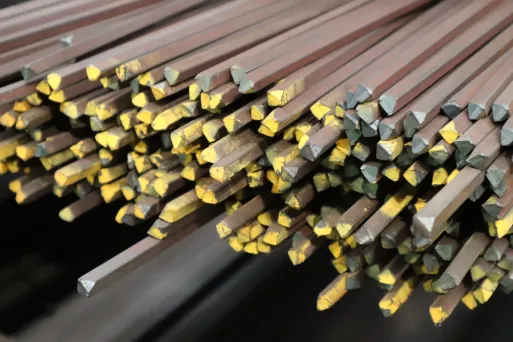
The environmental impact of metal fabrication is a growing concern for many industries, including water treatment. Choosing recycled or low-impact metals can significantly reduce a facility’s carbon footprint. For those interested in sustainable options, the guide on eco friendly manufacturing metals provides practical insights into sourcing and using greener materials.
Many fabricators now offer solutions that prioritize recyclability, energy efficiency, and reduced waste. Stainless steel, for example, is highly recyclable and often contains a significant percentage of recycled content. Advances in fabrication technology also allow for more precise cutting and forming, which minimizes scrap and lowers energy consumption.
For a deeper dive into sustainable practices, this overview of greener approaches to metal fabrication highlights industry trends and innovations.
Quality Control and Compliance in Metal Fabrication for Water Treatment
Ensuring that every fabricated part meets strict quality and regulatory standards is non-negotiable in water treatment. Facilities must comply with local, national, and sometimes international codes governing materials, welding procedures, and safety features.
Quality control measures include:
- Material Certification: Verifying the composition and properties of metals before fabrication begins.
- Weld Inspection: Using visual, ultrasonic, or radiographic testing to detect flaws or weaknesses.
- Pressure and Leak Testing: Ensuring tanks and pipes can withstand operational stresses without failure.
- Documentation: Maintaining detailed records for traceability and future audits.
These steps not only protect public health but also help facilities avoid costly repairs and regulatory penalties. For organizations looking to improve their environmental compliance, the article on metal recycling and environmental compliance offers additional guidance.
Emerging Trends in Wastewater Equipment Fabrication
The field of metal fabrication for wastewater treatment is constantly evolving. Some of the latest trends include:
- Automation and Robotics: Automated welding and cutting systems improve precision, speed, and worker safety.
- Digital Twin Technology: Creating virtual models of equipment for predictive maintenance and process optimization.
- Modular Construction: Prefabricated modules allow for faster installation and easier upgrades or expansions.
- Advanced Coatings: New surface treatments extend the life of metal parts and reduce maintenance costs.
- Greater Use of Recycled Metals: Facilities are increasingly specifying recycled content to meet sustainability goals. For practical tips, see how how small businesses can use recycled metals in their operations.
FAQ: Wastewater Treatment Metal Fabrication
What metals are most commonly used in water treatment fabrication?
Stainless steel is the most popular choice due to its corrosion resistance and durability. Other materials include aluminum, carbon steel (with protective coatings), and specialty alloys for highly corrosive environments. The selection depends on the chemicals present and the specific application within the facility.
How does custom metalwork improve treatment plant efficiency?
Custom-fabricated components are tailored to the unique needs of each plant, ensuring optimal fit and function. This reduces the risk of leaks, improves flow rates, and makes maintenance easier—ultimately leading to more reliable and efficient operations.
Are there sustainable options for metal fabrication in water treatment?
Yes, many fabricators now offer solutions that use recycled metals, energy-efficient processes, and environmentally friendly coatings. Choosing these options can help facilities lower their environmental impact while maintaining high performance and compliance.