
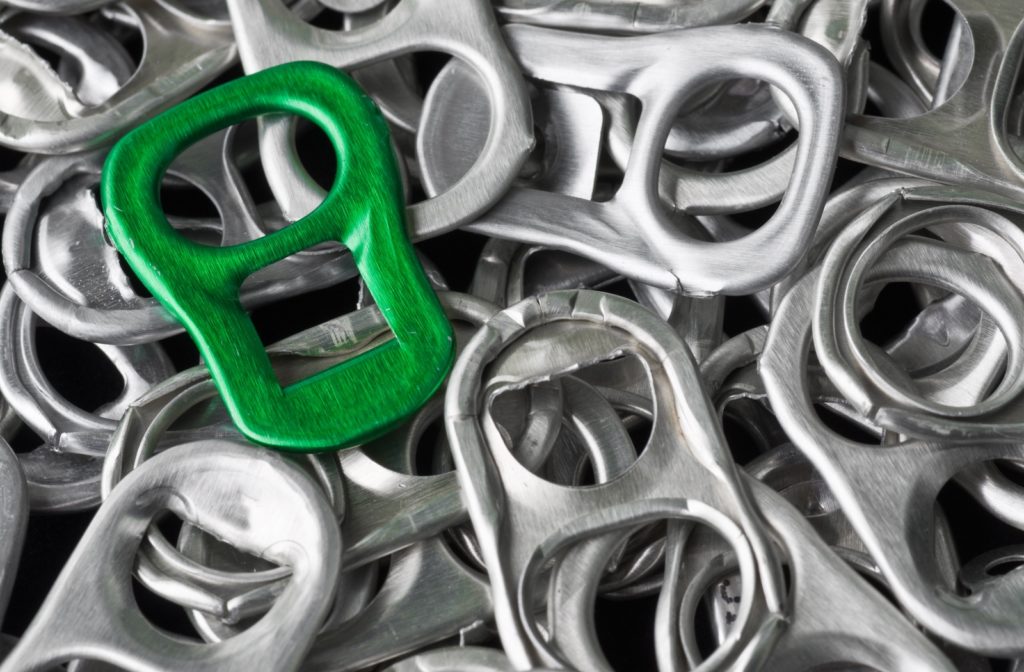
The uses of recycled metals in products have become a cornerstone of modern manufacturing and sustainability. From the soda cans we drink from to the cars we drive, recycled metals are woven into the fabric of daily life. By reusing metals, industries reduce environmental impact, conserve resources, and create products that are both cost-effective and eco-friendly.
Understanding how recycled materials are integrated into consumer goods can help individuals and businesses make informed choices. If you’re interested in the full journey from scrap to finished item, the steps in metal recycling provide a comprehensive look at the process.
How Recycled Metals Are Integrated Into Consumer Goods
The journey of recycled metals doesn’t end at the collection point. After sorting and processing, these materials are melted down and formed into new raw materials. These are then used by manufacturers to create a wide range of everyday products. The uses of recycled metals in products span multiple industries, including packaging, construction, transportation, and electronics.
For example, aluminum cans are often made from nearly 70% recycled content. Steel beams in buildings, copper wiring in electronics, and even components in smartphones frequently contain significant amounts of reused metal. This approach not only conserves natural resources but also reduces the energy required to produce new metals from ore.
Common Household Items Made With Recycled Metals
Many items found in homes and offices are manufactured using recycled metals. Here are some of the most prevalent examples:
- Aluminum cans and packaging: Beverage cans, food containers, and foil are commonly produced using recycled aluminum.
- Appliances: Washing machines, refrigerators, and microwaves often include steel and copper sourced from recycled materials.
- Furniture: Metal frames for chairs, tables, and shelving units frequently use recycled steel or aluminum.
- Electronics: Smartphones, laptops, and televisions contain copper, gold, and other metals that have been reclaimed from old devices.
- Lighting and fixtures: Lamps, light fixtures, and even decorative items may incorporate recycled metals for both structure and design.
The integration of these materials is possible thanks to advanced sorting and purification processes. To learn more about how metals are separated for reuse, see the detailed guide on how metals are sorted for recycling.

Industrial and Infrastructure Applications of Recycled Metals
Beyond household goods, the uses of recycled metals in products extend to large-scale infrastructure and industrial equipment. Construction beams, bridges, railway tracks, and pipelines are often fabricated using recycled steel and iron. This not only reduces costs but also supports a circular economy where materials are continually reused.
In the automotive sector, car manufacturers rely heavily on recycled metals for body panels, engines, and frames. The aerospace industry also incorporates recycled aluminum and titanium in aircraft components, balancing strength with sustainability.
For a closer look at how specific metals are transformed, the recycled copper process offers insight into the journey from scrap to high-purity copper used in wiring and electronics.

Environmental and Economic Benefits of Metal Reuse
Utilizing recycled metals in manufacturing brings significant environmental advantages. It reduces the need for mining, which can be destructive to ecosystems and requires large amounts of energy. Producing metals from recycled sources typically uses less energy than extracting and refining raw ore. For example, recycling aluminum saves up to 95% of the energy required to make new aluminum from bauxite.
The economic benefits are also substantial. Companies can lower production costs by sourcing recycled materials, and consumers often benefit from lower prices. Additionally, the recycling industry creates jobs and supports local economies.
To understand the broader impact, the article on the environmental impact of metal recycling explores how these practices help reduce waste and conserve resources.
Types of Recycled Metals and Their Product Applications
Different types of metals are recycled and used in various products. The most common include:
- Aluminum: Used in cans, automotive parts, window frames, and bicycles.
- Steel: Found in construction materials, vehicles, tools, and appliances.
- Copper: Essential for electrical wiring, plumbing, and electronic devices.
- Brass and bronze: Used in musical instruments, decorative items, and fittings.
- Precious metals: Gold, silver, and platinum are reclaimed from electronics and jewelry for reuse.
For a deeper dive into how different scrap metals are repurposed, see this overview of recycled scrap metal applications.
Challenges and Innovations in Metal Recycling
While the uses of recycled metals in products continue to grow, there are challenges to overcome. Contamination of scrap, sorting complexities, and fluctuating market prices can affect the efficiency of recycling programs. However, technological advancements are making it easier to separate, clean, and process metals for reuse.
Automated sorting systems, improved shredding machines, and innovative smelting techniques are helping to increase the quality and quantity of recycled metals available for manufacturing. These innovations ensure that more products can be made sustainably, supporting global efforts to reduce waste and conserve resources.
Frequently Asked Questions
What are the most common products made from recycled metals?
Everyday items such as beverage cans, car parts, appliances, and construction materials are frequently made using recycled metals. Electronics and furniture also often incorporate reclaimed metal components.
How does recycling metals benefit the environment?
Recycling metals conserves natural resources, reduces energy consumption, and lowers greenhouse gas emissions. It also minimizes the need for mining and helps keep waste out of landfills.
Can all metals be recycled for use in new products?
Most metals, including aluminum, steel, copper, and precious metals, can be recycled multiple times without losing quality. However, some alloys and contaminated metals may require additional processing before they can be reused.