
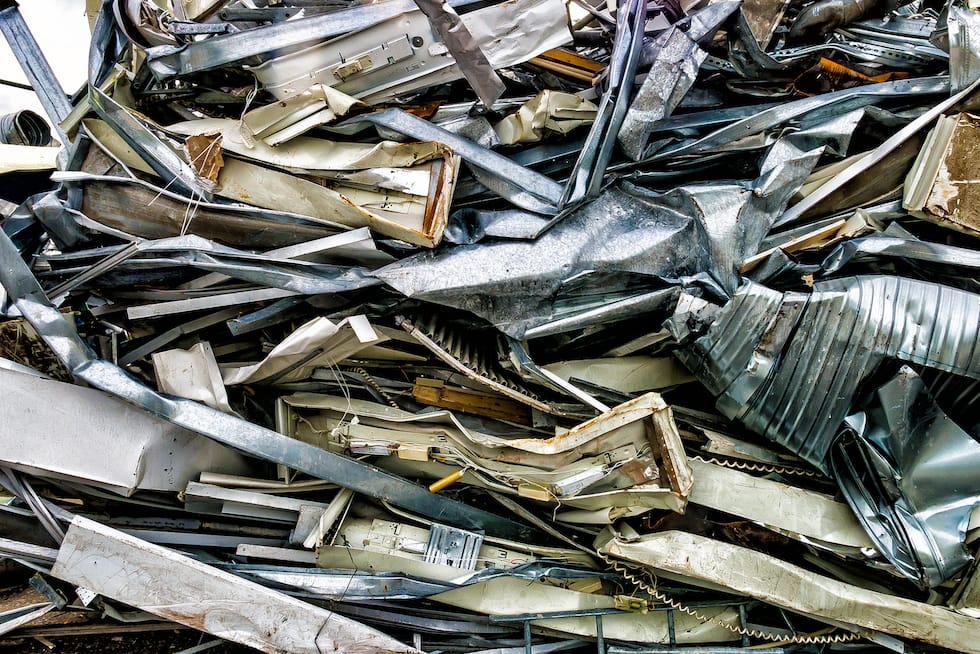
Recycling metals is a crucial part of sustainable waste management and resource conservation. Understanding the types of recyclable metals helps individuals and businesses make informed decisions about sorting, collecting, and processing scrap materials. From common household items to industrial waste, metals like steel, aluminum, and copper can be recycled repeatedly without losing their properties. This guide explores the main categories of recyclable metals, their distinguishing features, and practical tips for identifying and recycling them effectively.
Whether you are managing a recycling program, decluttering your home, or seeking to reduce environmental impact, knowing which metals can be recycled—and how—is essential. For a comprehensive overview of the different kinds of recyclable metals and their uses, you can visit this detailed resource on recyclable metal types.
Understanding the Main Categories of Recyclable Metals
Metals suitable for recycling are generally divided into two broad groups: ferrous and non-ferrous metals. This distinction is based on the presence or absence of iron.
- Ferrous metals contain iron and are typically magnetic. They are commonly used in construction, transportation, and manufacturing.
- Non-ferrous metals do not contain iron, are usually non-magnetic, and often have higher resistance to corrosion. These include valuable metals like copper, aluminum, and brass.
Ferrous Metals: Steel and Iron
Among the most recycled materials worldwide, steel and iron play a significant role in the scrap metal industry. Their magnetic properties make them easy to separate from other waste during recycling processes.
Steel
Steel is an alloy primarily composed of iron and carbon. It is found in countless products, from food cans and appliances to vehicles and construction beams. Recycling steel conserves energy and reduces the need for mining raw materials.
- Common sources: food and beverage cans, car bodies, structural beams, household appliances.
- Recycling process: Steel is melted down and reformed into new products, maintaining its strength and durability.
Cast Iron
Cast iron is another ferrous metal often recycled from old pipes, cookware, and machinery parts. Its high carbon content makes it brittle but also suitable for melting and repurposing.

Non-Ferrous Metals: Aluminum, Copper, and More
Non-ferrous metals are highly valued in recycling due to their resistance to corrosion and high market demand. These materials are lighter than ferrous metals and are used in a wide range of applications.
Aluminum
Aluminum is one of the most commonly recycled non-ferrous metals. Its lightweight and corrosion-resistant properties make it ideal for packaging, transportation, and construction.
- Common sources: beverage cans, window frames, car parts, foil trays.
- Recycling benefits: Recycling aluminum saves up to 95% of the energy required to produce new aluminum from raw ore.
Copper
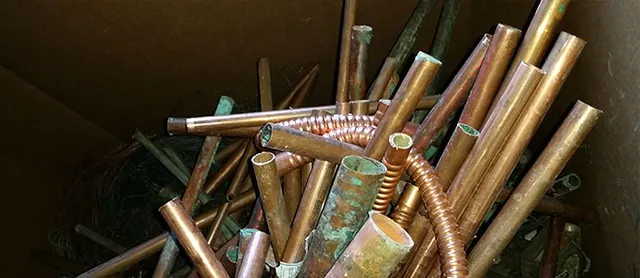
Copper is known for its excellent electrical conductivity and is widely used in wiring, plumbing, and electronics. It retains its quality even after multiple recycling cycles.
- Common sources: electrical wires, plumbing pipes, roofing materials, motors.
- Recycling process: Copper is separated from insulation or other materials, then melted and purified for reuse.
Other Valuable Non-Ferrous Metals
Several other non-ferrous metals are regularly recycled, including:
- Brass: An alloy of copper and zinc, often found in plumbing fixtures, musical instruments, and decorative items.
- Lead: Used in batteries, pipes, and roofing. Due to its toxicity, lead recycling is strictly regulated.
- Zinc: Commonly used for galvanizing steel and in die-casting alloys.
- Nickel: Found in stainless steel, rechargeable batteries, and coins.
How to Identify and Sort Different Scrap Metals
Proper identification and sorting are essential for efficient recycling. Here are some practical steps to distinguish between various recyclable metals:
- Use a magnet: Ferrous metals like steel and iron are magnetic, while non-ferrous metals are not.
- Check the color and weight: Copper has a reddish hue, aluminum is lightweight and silvery, and brass is yellowish.
- Look for markings: Many products have labels or stamps indicating the type of metal used.
- Consult local recycling guidelines: Some facilities accept only certain types of metals or require them to be separated by category.
Environmental and Economic Benefits of Metal Recycling
Recycling metals offers significant environmental and economic advantages. By diverting scrap from landfills and reducing the need for raw material extraction, recycling helps:
- Conserve natural resources and energy
- Reduce greenhouse gas emissions
- Lower production costs for manufacturers
- Create jobs in the recycling and manufacturing sectors
For businesses and individuals, participating in metal recycling programs can also provide financial incentives, as many scrap yards pay for sorted metals based on weight and type.
Frequently Asked Questions
What are the most commonly recycled metals?
The most frequently recycled metals include steel, aluminum, and copper. These materials are widely used in packaging, construction, and electronics, making them abundant in the recycling stream.
How can I tell if a metal is recyclable?
Most metals are recyclable, but the ease of recycling depends on the type and local facility capabilities. Using a magnet, checking for corrosion resistance, and consulting recycling guidelines can help determine if a metal is suitable for recycling.
Why is it important to separate different metals before recycling?
Sorting metals by type increases their value and ensures efficient processing. Mixed metals can contaminate recycling batches, reduce quality, and increase costs for recyclers.
Can metals be recycled indefinitely?
Yes, most metals can be recycled multiple times without losing their fundamental properties. This makes them highly sustainable materials for manufacturing and construction.