
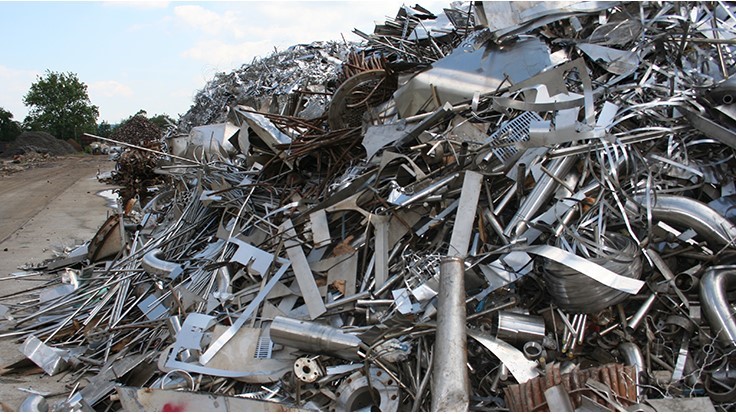
As industries worldwide strive to become more environmentally responsible, understanding sustainability metrics for metal use is crucial. These metrics help businesses assess their environmental impact and make informed decisions about resource utilization. By focusing on these metrics, companies can reduce waste, improve efficiency, and contribute to a more sustainable future.
In this guide, we will explore key sustainability indicators, discuss their importance, and provide practical steps for implementation. Additionally, we’ll highlight the role of recycling and how it fits into the broader context of sustainable metal use. For those interested in the technical aspects of metalworking, you might also find our article on stamping press vibration control tips useful.
Understanding Key Sustainability Indicators
To effectively measure sustainability in metal usage, several key indicators are commonly used. These include energy consumption, carbon footprint, and material efficiency. Each of these metrics provides insights into different aspects of sustainability.
Energy Consumption
Energy consumption is a critical metric as it directly correlates with environmental impact. By monitoring energy use, companies can identify areas where efficiency improvements can be made, thus reducing their overall environmental footprint.
Carbon Footprint
The carbon footprint measures the total greenhouse gas emissions caused by an organization, event, product, or person. Reducing the carbon footprint is essential for minimizing the impact on climate change and is a significant focus area for sustainability efforts.
Material Efficiency
Material efficiency refers to the optimal use of materials to achieve the desired outcome with minimal waste. This involves recycling and reusing materials wherever possible, thereby conserving resources and reducing environmental impact.

The Role of Recycling in Sustainable Metal Use
Recycling plays a pivotal role in sustainable metal use by reducing the need for raw material extraction and minimizing waste. By recycling metals, companies can significantly lower their energy consumption and carbon emissions. For more information on commonly recycled metals, you can refer to this detailed guide on non-ferrous metals.

Implementing Sustainability Practices in Metal Use
Implementing sustainable practices in metal use involves several steps. Companies should start by conducting a comprehensive audit of their current practices to identify areas for improvement. This audit should include an analysis of energy use, waste generation, and recycling rates.
Next, setting clear sustainability goals is essential. These goals should be specific, measurable, achievable, relevant, and time-bound (SMART). By setting such goals, companies can track their progress and make necessary adjustments to their strategies.
Finally, investing in technology and innovation can greatly enhance sustainability efforts. Technologies such as energy-efficient machinery and advanced recycling systems can significantly reduce environmental impact.
Frequently Asked Questions
What are the benefits of using sustainability metrics for metal use?
Sustainability metrics provide a framework for measuring and improving environmental performance. They help companies reduce waste, lower energy consumption, and minimize their carbon footprint, leading to cost savings and a positive environmental impact.
How can companies improve their material efficiency?
Companies can improve material efficiency by optimizing their production processes, investing in recycling technologies, and designing products with end-of-life recyclability in mind. This approach not only conserves resources but also reduces waste.
Why is recycling important in sustainable metal use?
Recycling is crucial because it reduces the need for raw material extraction, lowers energy consumption, and decreases greenhouse gas emissions. By recycling metals, companies contribute to a circular economy and promote environmental sustainability.