
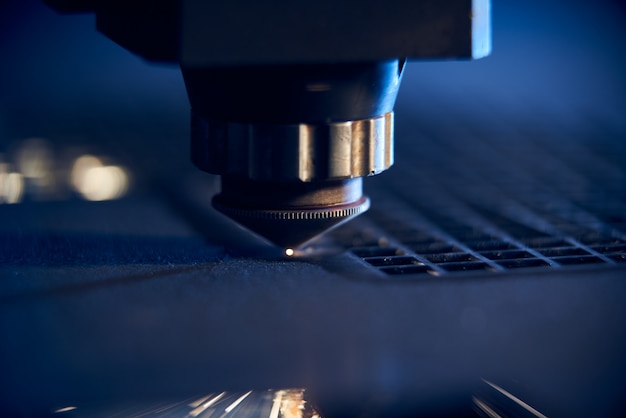
Stamping press ergonomics is a critical aspect of industrial manufacturing that focuses on the safety and well-being of workers operating stamping presses. These machines are vital for shaping metal parts and components, and their proper ergonomic design can significantly impact both productivity and worker safety.
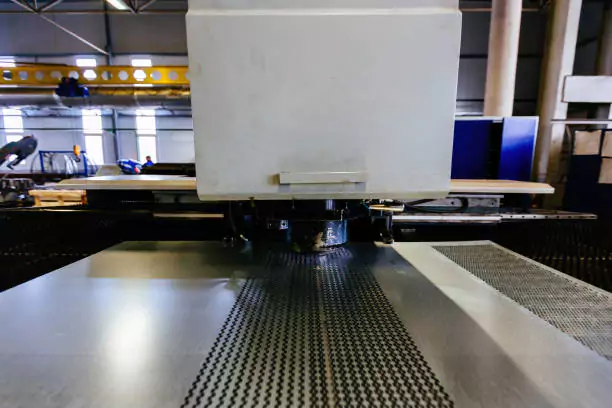
The Importance of Ergonomics in Stamping Presses
Ergonomics in the workplace is essential for reducing the risk of injury and improving efficiency. In the context of stamping presses, poor ergonomic design can lead to repetitive strain injuries, fatigue, and decreased productivity. Therefore, understanding and implementing ergonomic principles is crucial for manufacturers.
Designing Ergonomic Workstations
An ergonomic workstation is designed to fit the worker, rather than forcing the worker to adapt to the machine. This involves adjusting the height of the worktable, ensuring proper seating position, and providing adequate lighting. These adjustments help in minimizing awkward postures and excessive force, which are common causes of musculoskeletal disorders.
Training and Education
Proper training and education are vital in promoting ergonomics. Workers should be trained on the correct use of stamping presses and the importance of maintaining good posture. Regular workshops and refresher courses can help in keeping the workforce informed about the latest ergonomic practices.
Benefits of Ergonomic Improvements
Implementing ergonomic improvements in stamping press operations can lead to numerous benefits. These include reduced absenteeism due to fewer injuries, enhanced worker satisfaction, and increased productivity. Additionally, ergonomic practices can lead to cost savings by minimizing compensation claims and improving product quality.
Case Study: Improved Ergonomics in Metal Stamping
A recent case study demonstrated the impact of improved ergonomics in a metal stamping facility. By redesigning workstations and providing ergonomic training, the company saw a 30% reduction in workplace injuries and a 20% increase in productivity. This case underscores the importance of investing in ergonomic solutions.
Challenges in Implementing Ergonomics
Despite the clear benefits, implementing ergonomic solutions in stamping press operations can be challenging. These challenges include the initial cost of ergonomic equipment, resistance to change from workers, and the need for ongoing training and evaluation.
Overcoming Resistance to Change
Resistance to change is a common barrier to implementing ergonomic solutions. To overcome this, manufacturers can involve workers in the design process, ensuring that their input is considered. Providing clear communication about the benefits of ergonomics can also help in gaining worker buy-in.
Cost Considerations
While the initial cost of ergonomic improvements can be high, the long-term benefits often outweigh these expenses. By reducing injury rates and increasing productivity, companies can see a significant return on investment. Additionally, many ergonomic solutions are scalable, allowing for gradual implementation based on budget constraints.
Future Trends in Stamping Press Ergonomics
The future of stamping press ergonomics looks promising, with advancements in technology playing a pivotal role. Automation and robotics are increasingly being integrated into stamping operations, reducing the physical demands on workers and enhancing safety.
Automation and Robotics
The use of automation and robotics in stamping presses is on the rise. These technologies can perform repetitive tasks with precision, reducing the risk of human error and injury. As technology advances, we can expect to see more collaborative robots, or cobots, that work alongside human operators, further enhancing workplace safety.
Wearable Technology
Wearable technology is another emerging trend in ergonomics. Devices such as smartwatches and fitness trackers can monitor workers’ movements and provide real-time feedback on posture and physical strain. This data can be used to make informed decisions about ergonomic adjustments and interventions.
Conclusion
In conclusion, stamping press ergonomics is a vital component of modern manufacturing. By prioritizing ergonomics, manufacturers can create safer and more efficient workplaces. While challenges exist, the benefits of ergonomic improvements are undeniable, leading to healthier workers and more productive operations.
Further Reading
For more information on the metal stamping process, you can visit ESICT’s guide on metal stamping. Additionally, explore this overview of metal stamping in the consumer electronics industry for industry-specific insights.
FAQs
What is the primary focus of stamping press ergonomics?
The primary focus of stamping press ergonomics is to ensure the safety and well-being of workers by designing workstations and processes that minimize physical strain and prevent injuries.
How can ergonomics improve productivity?
By reducing the risk of injuries and ensuring comfortable working conditions, ergonomics can lead to increased worker satisfaction and productivity.
What are some common challenges in implementing ergonomic solutions?
Common challenges include the initial cost of ergonomic equipment, resistance to change from workers, and the need for ongoing training and evaluation.
This article contains affiliate links. We may earn a commission at no extra cost to you.