
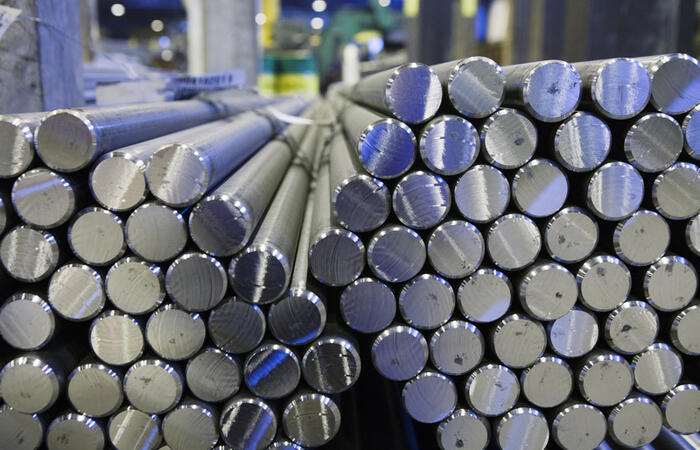
The role of foundries in recycling is fundamental to the efficient and sustainable management of metal resources worldwide. Foundries serve as the critical link between collected scrap and the production of new metal products, enabling industries to reduce waste, conserve energy, and lower their environmental footprint. By transforming discarded metal into valuable raw materials, these facilities help close the loop in the circular economy and support a more sustainable future for manufacturing and construction.
Understanding how foundries operate within the broader recycling ecosystem reveals why their contribution is so vital. From processing scrap to producing high-quality alloys, foundries ensure that metals are reused efficiently, minimizing the need for virgin ore extraction and reducing greenhouse gas emissions. For those interested in the latest advancements, you can explore metal recycling technologies that are shaping the industry today.
How Foundries Support Sustainable Metal Use
Foundries are specialized facilities where scrap metal is melted, refined, and cast into new shapes or products. Their involvement in the recycling process is essential for several reasons:
- Resource Conservation: By reusing scrap, foundries help preserve finite natural resources and reduce the demand for mining.
- Energy Efficiency: Recycling metals typically requires less energy than producing metals from raw ore, resulting in significant energy savings.
- Waste Reduction: Foundries divert millions of tons of metal waste from landfills each year, supporting environmental goals and regulatory compliance.
The role of foundries in recycling extends beyond simple melting and casting. These facilities are also responsible for ensuring that recycled metals meet strict quality standards, making them suitable for use in everything from automotive parts to building materials.
Key Steps in the Foundry Recycling Workflow
The journey of scrap metal through a foundry involves several distinct stages, each critical to producing high-quality recycled materials:
- Collection and Sorting: Scrap metal is collected from various sources, including manufacturing offcuts, end-of-life vehicles, and demolished structures. Sorting is crucial to separate ferrous from non-ferrous metals and to remove contaminants.
- Preparation and Processing: After sorting, the scrap is cleaned, shredded, and sometimes pre-melted to facilitate efficient furnace operations. For more on how scrap is handled after collection, see what happens to scrap metal.
- Melting and Refining: The prepared scrap is loaded into furnaces, where it is melted at high temperatures. Impurities are removed through refining processes, ensuring the resulting metal meets required specifications.
- Casting and Forming: The purified molten metal is poured into molds or cast into bars, ingots, or specific shapes for further manufacturing.
- Distribution: The recycled metal is then supplied to manufacturers, ready to be used in new products.
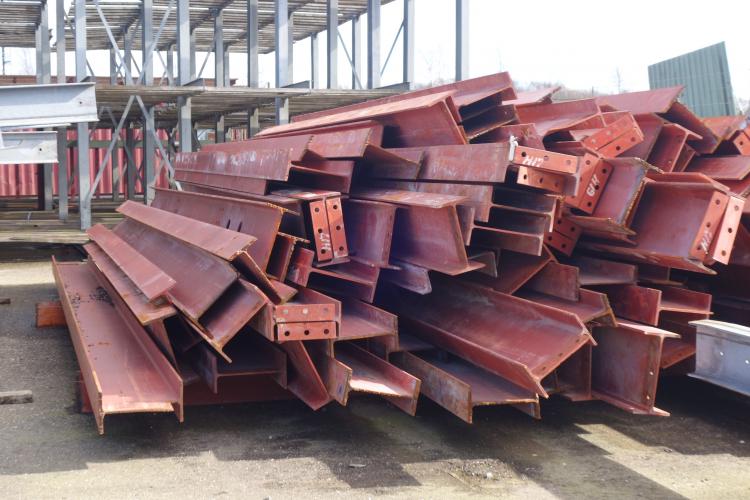
Environmental Benefits of Foundry-Based Recycling
The environmental impact of metal production is significant, especially when relying on virgin materials. Foundries that focus on recycling play a major role in reducing this impact:
- Lower Carbon Emissions: Melting recycled metals emits far less CO2 compared to mining and refining new ore.
- Reduced Landfill Use: By turning scrap into new products, foundries help minimize the volume of waste sent to landfills.
- Water Conservation: Recycling processes generally require less water than traditional ore processing.
These benefits are amplified as more industries adopt recycled materials. For example, the industrial uses of recycled aluminum are expanding rapidly, demonstrating the versatility and sustainability of foundry-processed metals.
Quality Control and Innovation in Metal Reuse
Ensuring the quality of recycled metals is a top priority for foundries. Advanced testing and refining techniques allow these facilities to produce alloys that meet or exceed the standards required for modern manufacturing. Innovations such as improved sorting technologies and cleaner melting processes have further enhanced the efficiency and reliability of recycling operations.
For instance, new methods for improving recycled metal purity are helping foundries deliver materials suitable for even the most demanding applications, such as aerospace or medical devices.

Challenges and Opportunities for Foundries in Recycling
While the role of foundries in recycling is indispensable, these facilities face several challenges:
- Contamination: Mixed or dirty scrap can complicate processing and lower the quality of the final product.
- Market Fluctuations: Prices for scrap and recycled metals can be volatile, affecting profitability and planning.
- Technological Demands: Keeping up with new equipment and environmental regulations requires ongoing investment.
However, these challenges also present opportunities. Advances in how to identify recyclable metals and improved automation are making it easier for foundries to process a wider variety of scrap efficiently. Additionally, as sustainability becomes a higher priority for manufacturers, the demand for recycled metals is expected to grow.
Integrating Recycled Metals into Manufacturing
The metals produced by foundries are used in countless applications, from construction beams to consumer electronics. As industries seek to reduce their environmental impact, integrating recycled materials has become a strategic priority. In many cases, recycled metals can fully replace new materials without compromising quality or performance. For a deeper look at this topic, see can recycled metal replace new metal.
By supplying high-quality recycled metals, foundries enable manufacturers to meet sustainability goals while maintaining competitiveness in the global market.
Frequently Asked Questions
What types of metals can be recycled in foundries?
Most foundries can process a wide range of metals, including steel, iron, aluminum, copper, and brass. The specific metals accepted depend on the facility’s equipment and the intended end products.
How do foundries ensure the quality of recycled metals?
Foundries use advanced sorting, cleaning, and refining techniques to remove impurities from scrap. Rigorous testing ensures that the recycled metal meets industry standards for strength, purity, and composition.
Why is recycling metal through foundries better for the environment?
Recycling metals in foundries uses less energy, reduces greenhouse gas emissions, and conserves natural resources compared to producing metals from raw ore. It also helps keep valuable materials out of landfills.