
In recent years, the integration of robotics in waste management has revolutionized the efficiency and accuracy of sorting processes in recycling facilities. These advanced systems are designed to handle the complexities of sorting various materials, thereby enhancing the recycling rate and reducing human error. This guide delves into the workings of robotic sorting systems, their benefits, and how they are transforming the recycling industry.
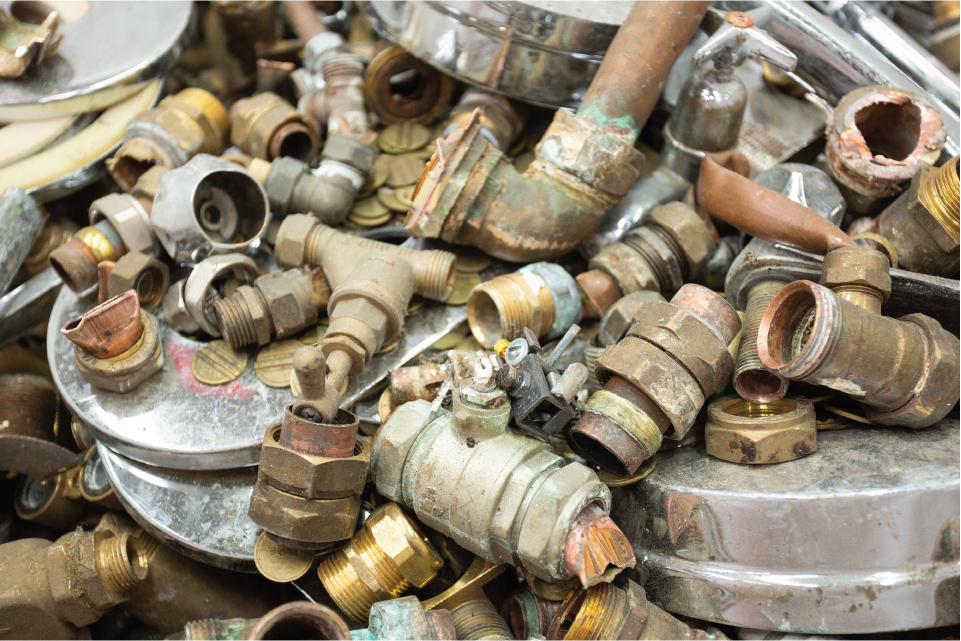
For those interested in the broader context of metal recycling, exploring different types of recyclable metals can provide valuable insights into the materials that robotic systems are designed to sort.
The Role of Robotics in Waste Management
Robotic systems in recycling plants are engineered to identify and separate materials with precision. These systems utilize sensors and artificial intelligence to distinguish between different types of waste, such as plastics, metals, and paper. By automating the sorting process, these robots significantly reduce the need for manual labor, allowing human workers to focus on more complex tasks.
How Robotic Sorting Systems Work
The core technology behind robotic sorting involves a combination of cameras, sensors, and machine learning algorithms. Cameras capture images of the waste stream, while sensors detect material properties such as density and color. The data collected is processed by machine learning algorithms, which have been trained to recognize and categorize various materials accurately.
Advantages of Automated Sorting
The implementation of robotic sorting in recycling facilities offers numerous advantages. Firstly, it increases the speed and efficiency of the sorting process. Robots can work continuously without fatigue, unlike human workers. Secondly, the precision of robotic systems reduces contamination in sorted materials, leading to higher quality recyclables. Lastly, automation can lead to cost savings over time by reducing labor costs and minimizing waste.
Challenges and Future Prospects
Despite the benefits, there are challenges associated with robotic sorting systems. The initial investment cost can be high, and there is a need for ongoing maintenance and updates to the software. However, as technology advances, these systems are expected to become more affordable and efficient. The future of recycling is likely to see even greater integration of robotics, potentially leading to fully automated facilities.
Integrating Robotics with Existing Systems
Integrating robotic systems into existing recycling operations requires careful planning. Facilities must assess their current processes and determine how robotics can be seamlessly incorporated. Training staff to operate and maintain these systems is also crucial for successful integration.
For those interested in optimizing other aspects of metalworking, exploring stamping press vibration control tips can provide valuable insights into improving precision and efficiency in metal stamping processes.
FAQs
What are the main benefits of using robots in recycling plants?
Robots increase sorting speed and accuracy, reduce labor costs, and improve the quality of recycled materials by minimizing contamination.
How do robotic sorting systems identify different materials?
These systems use cameras and sensors to capture data, which is then processed by machine learning algorithms trained to recognize and categorize materials.
Are robotic sorting systems cost-effective?
While the initial investment can be high, the long-term savings in labor costs and increased efficiency make robotic systems a cost-effective solution for many recycling facilities.