
The manufacturing sector faces increasing pressure to address environmental concerns, particularly when it comes to reducing carbon emissions fabrication processes. As global regulations tighten and customers demand greener products, fabricators are seeking innovative ways to minimize their environmental footprint. Embracing smart technologies and sustainable practices is not just a matter of compliance—it’s a strategic move that can drive efficiency, lower costs, and enhance a company’s reputation.
This article explores practical approaches and advanced solutions for lowering emissions in fabrication, highlighting the benefits of digital tools, material choices, and process optimization. For those interested in related process improvements, you may also find value in learning about stamping press vibration control tips to boost precision and efficiency in metalworking environments.
Smart Manufacturing Technologies for Lower Emissions
The integration of smart manufacturing technologies is transforming the way fabrication shops approach sustainability. Digital tools such as IoT sensors, advanced analytics, and automation systems enable real-time monitoring of energy use and emissions, allowing for immediate adjustments and long-term optimization.
- IoT-Enabled Monitoring: Sensors track energy consumption, machine efficiency, and emissions, providing actionable data to reduce waste.
- Predictive Maintenance: Automated alerts help prevent equipment failures that can lead to excessive energy use or unplanned downtime.
- Process Automation: Robotics and automated systems can optimize material handling and welding, minimizing unnecessary energy expenditure.
By leveraging these technologies, fabricators can identify inefficiencies and implement targeted improvements that directly contribute to lowering carbon output across their operations.
Material Selection and Sustainable Sourcing
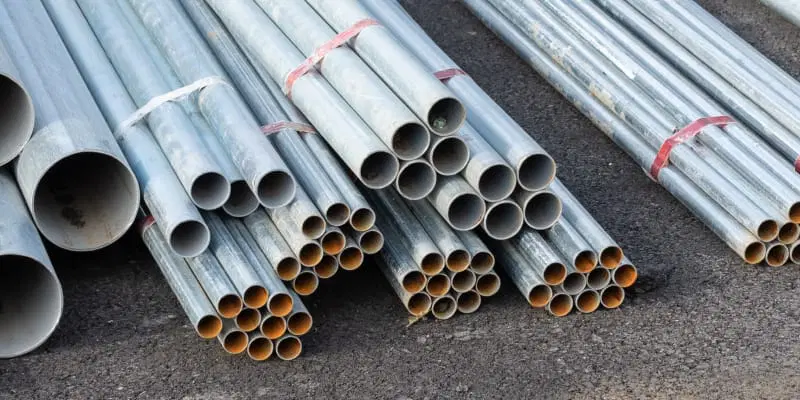
Choosing the right materials is a critical step in reducing carbon emissions fabrication efforts. The environmental impact of a product is significantly influenced by the raw materials used and their sourcing practices.
- Recycled Metals: Utilizing recycled steel or aluminum reduces the need for energy-intensive primary production and cuts down on greenhouse gas emissions.
- Low-Carbon Alloys: Newer alloys are engineered for lower embodied carbon, offering similar performance with a smaller environmental footprint.
- Local Sourcing: Procuring materials from nearby suppliers reduces transportation emissions and supports regional economies.
Sustainable procurement policies can also drive transparency and encourage suppliers to adopt greener practices, amplifying the positive impact throughout the supply chain.
Optimizing Fabrication Processes for Emission Reduction
Process optimization is essential for minimizing waste and emissions in fabrication. By refining workflows and adopting best practices, manufacturers can achieve significant environmental and economic benefits.
- Lean Manufacturing: Implementing lean principles helps eliminate unnecessary steps, reduce scrap, and improve resource efficiency.
- Energy-Efficient Equipment: Upgrading to modern, energy-saving machines can lower electricity consumption and associated emissions.
- Heat Recovery Systems: Capturing and reusing waste heat from furnaces or welding operations can further reduce energy needs.
Even small changes, such as optimizing cutting patterns or scheduling production during off-peak energy hours, can add up to substantial reductions in carbon output over time.

Industry Collaboration and Regulatory Compliance
Collaboration across the industry is vital for accelerating progress in emission reduction. Manufacturers, suppliers, and technology providers can share best practices, develop new standards, and advocate for supportive policies.
Staying ahead of regulatory requirements not only avoids penalties but also positions companies as leaders in sustainability. Many regions now offer incentives for adopting cleaner technologies or achieving specific emission targets, making compliance an opportunity rather than a burden.
For a comprehensive overview of sustainable fabrication strategies, consider reviewing this comprehensive guide to sustainable metal fabrication solutions, which covers a wide range of actionable approaches and industry insights.
Integrating Digital Tools for Continuous Improvement
The journey toward lower emissions is ongoing. Digital platforms and cloud-based systems enable continuous tracking and benchmarking of environmental performance. By setting measurable goals and analyzing real-time data, fabrication shops can drive ongoing improvements and demonstrate progress to stakeholders.
- Environmental Dashboards: Visualize key metrics such as energy use, emissions, and waste in a single interface.
- Automated Reporting: Streamline compliance with environmental regulations and simplify sustainability reporting for customers and investors.
- Benchmarking Tools: Compare performance against industry standards or peer organizations to identify new areas for improvement.
These digital solutions not only help track progress but also foster a culture of accountability and innovation within the organization.
Benefits of Emission Reduction in Fabrication
Adopting smart solutions for emission reduction brings a range of benefits beyond environmental stewardship. Companies can realize cost savings through improved efficiency, attract eco-conscious customers, and enhance their brand reputation. Additionally, proactive sustainability efforts can open doors to new markets and partnerships, especially as global supply chains prioritize low-carbon products.
As the industry evolves, those who invest in sustainable practices today will be better positioned to thrive in a low-carbon economy tomorrow.
Frequently Asked Questions
What are the most effective ways to reduce carbon emissions in fabrication?
The most impactful strategies include adopting smart manufacturing technologies, using recycled or low-carbon materials, optimizing processes for efficiency, and collaborating with suppliers to ensure sustainable sourcing. Regular monitoring and continuous improvement are also key.
How does digital technology help with emission reduction in manufacturing?
Digital tools such as IoT sensors, analytics platforms, and automation systems enable real-time tracking of energy use and emissions. This data-driven approach allows for immediate adjustments, predictive maintenance, and long-term optimization, all contributing to lower carbon output.
Are there industry standards for sustainable fabrication?
Yes, several standards and certifications exist to guide sustainable practices in manufacturing. These include ISO 14001 for environmental management systems and various regional regulations that set emission targets. Many companies also develop internal policies to exceed minimum requirements and demonstrate leadership in sustainability.