
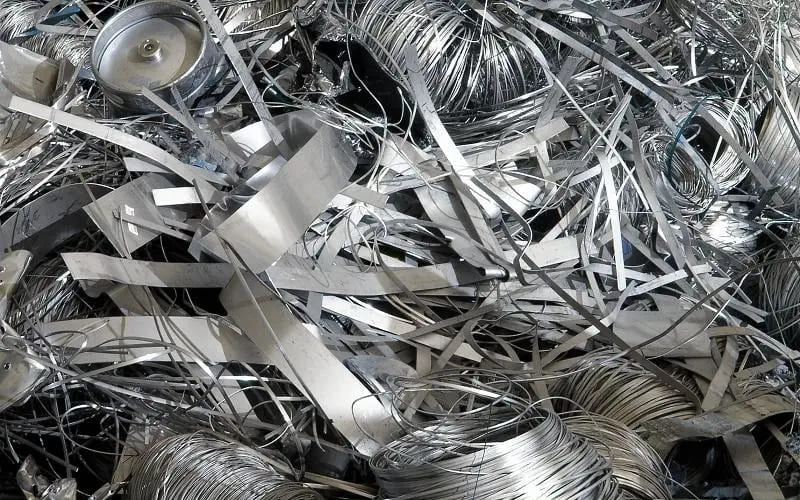
The decision between using recycled metals and newly produced metals is becoming increasingly relevant for manufacturers, builders, and environmentally conscious businesses. Understanding the recycled metal vs new metal cost is essential for anyone looking to optimize budgets, reduce environmental impact, and make informed sourcing choices. This article breaks down the key cost factors, market dynamics, and practical considerations that influence the price differences between these two material sources.
As the demand for sustainable materials grows, many industries are evaluating whether recycled options can meet their needs without compromising on quality or cost-effectiveness. For those interested in the broader implications of this shift, exploring can recycled metal replace new metal in manufacturing provides additional context on the subject.
Understanding the Cost Structure of Recycled and New Metals
The pricing of metals, whether recycled or newly manufactured, is influenced by several factors. For recycled metals, costs are largely determined by collection, sorting, cleaning, and reprocessing. In contrast, new metals require extraction, refining, and significant energy input, all of which contribute to higher base prices.
The cost comparison between recycled and new metals is not always straightforward. While recycled materials often have a lower price tag, market fluctuations, quality requirements, and supply chain logistics can all affect the final cost to the buyer.
Key Factors Affecting Recycled Metal Pricing
Several elements play a role in determining the price of recycled metals:
- Collection and Sorting: Gathering scrap metal from various sources and sorting it by type and quality incurs labor and equipment costs.
- Processing: Cleaning, shredding, and melting scrap to produce usable material requires energy and technology, though typically less than producing new metals.
- Market Demand: As demand for sustainable materials rises, prices for recycled metals can increase, especially for high-quality grades.
- Transportation: Moving scrap and finished recycled products adds to the overall expense, particularly for bulky or heavy metals.
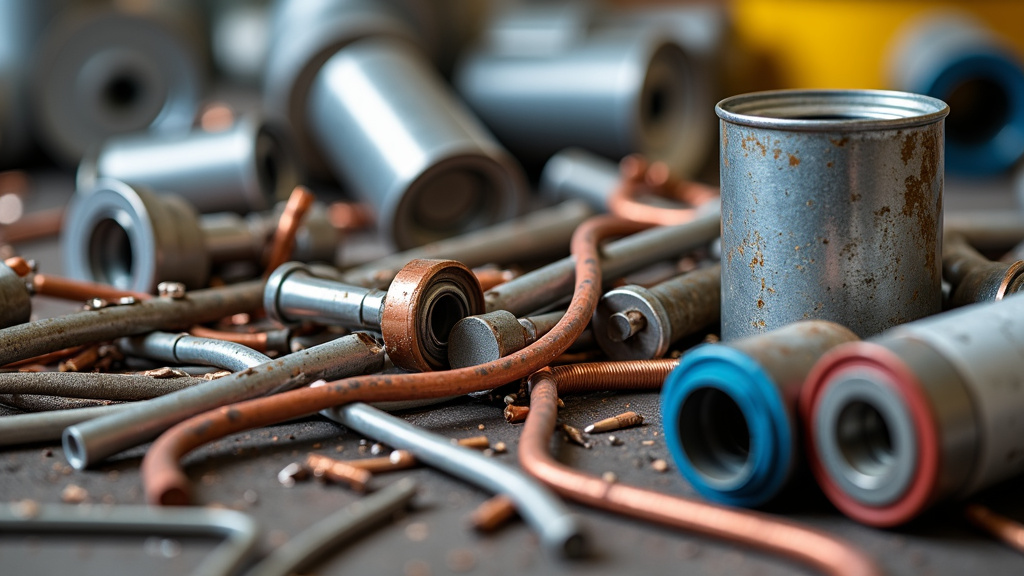
What Drives the Cost of New Metals?
Newly produced metals, often called “virgin” metals, involve a more resource-intensive process. The main cost drivers include:
- Mining and Extraction: Locating and extracting ore from the earth is expensive, requiring heavy machinery and significant labor.
- Refining and Smelting: Converting ore into pure metal is energy-intensive, often relying on fossil fuels or electricity.
- Environmental Compliance: New metal production must adhere to strict environmental regulations, which can add to operational costs.
- Market Volatility: Prices for raw materials like iron ore, copper, and aluminum can fluctuate due to global supply and demand, impacting the final price of new metals.
Comparing Cost Savings: Recycled vs. New Metal
In most cases, using recycled metals results in significant cost savings. For example, producing aluminum from recycled material uses up to 95% less energy than creating it from bauxite ore. This translates to lower production costs, which can be passed on to buyers.
For steel, copper, and other commonly recycled metals, the savings are also substantial, though the exact percentage varies by market conditions and processing efficiency. It’s important to note that while recycled metals are generally less expensive, prices can rise if demand outpaces supply or if high-purity grades are required.
Those interested in the latest developments in recycling processes can learn more about metal recycling technologies and how they impact overall costs and efficiency.
Quality and Application Considerations
While cost is a major factor, it’s also important to consider the intended use of the metal. Some high-tech or structural applications may require the purity and consistency of new metals. However, advances in sorting and processing mean that recycled metals are now suitable for a wide range of uses, including construction, automotive, and electronics.
For those working with aluminum, understanding the industrial uses of recycled aluminum can help determine whether recycled options meet specific project requirements.
Environmental and Regulatory Impact on Metal Pricing
Environmental regulations and sustainability goals are increasingly influencing the price dynamics of both recycled and new metals. Companies are often incentivized to use recycled materials through tax breaks, reduced compliance costs, and improved public perception.
Additionally, as governments tighten emissions standards and promote circular economy practices, the cost of producing new metals may continue to rise. This trend further strengthens the economic case for recycled alternatives.
Market Trends and Future Outlook
The global market for recycled metals is expected to grow as industries seek to lower costs and reduce their carbon footprint. Innovations in recycling technology are making it easier and more cost-effective to process scrap into high-quality materials.
For a deeper dive into what happens after scrap is collected, see the article on what happens to scrap metal after collection.
Additionally, staying informed about different types of recyclable metals can help businesses and individuals make smarter sourcing decisions and maximize cost savings.
How to Identify Cost-Effective Metal Sources
To get the best value, it’s essential to evaluate both the price and the suitability of the metal for your project. Here are some practical steps:
- Request quotes from multiple suppliers for both recycled and new metals.
- Assess the quality and certification standards of recycled materials.
- Consider transportation and logistics costs, especially for bulk orders.
- Stay updated on market trends and regulatory changes that may affect pricing.
- Learn how to quickly distinguish between recyclable and non-recyclable metals by reviewing guides like how to identify recyclable metals.
FAQ
Is recycled metal always cheaper than new metal?
In most cases, recycled metals are less expensive due to lower energy and raw material costs. However, prices can fluctuate based on demand, processing requirements, and market conditions. For highly specialized or pure metals, new production may sometimes be more cost-effective.
Does using recycled metal affect product quality?
Modern recycling processes can produce metals with quality comparable to new materials. For many applications, especially in construction and manufacturing, recycled metals are a reliable and cost-effective choice. Some high-purity or critical applications may still require new metals.
What are the main benefits of choosing recycled metals?
The primary advantages include lower costs, reduced environmental impact, and compliance with sustainability goals. Using recycled metals also supports the circular economy and can help businesses meet regulatory requirements or qualify for green certifications.