

When it comes to construction materials, the choice between recycled concrete and traditional concrete is becoming increasingly relevant. This comparison is crucial for builders, architects, and environmentalists who are keen on balancing performance with sustainability. Understanding the differences in strength, environmental impact, and cost can significantly influence decision-making in construction projects. For those interested in sustainable architecture, exploring the role of recycled glass in architecture might also be enlightening.
Quick Comparison
| Feature | Recycled Concrete | Traditional Concrete |
|---|---|---|
| Strength | Variable, can match traditional with proper processing | Consistent and well-documented |
| Environmental Impact | Reduces waste and conserves resources | Higher carbon footprint |
| Cost | Potentially lower, depending on availability and processing | Generally stable, but can be higher |
| Applications | Non-load-bearing, base layers | Wide range, including structural |
| Durability | Comparable with quality control | Proven durability |
Recycled Concrete
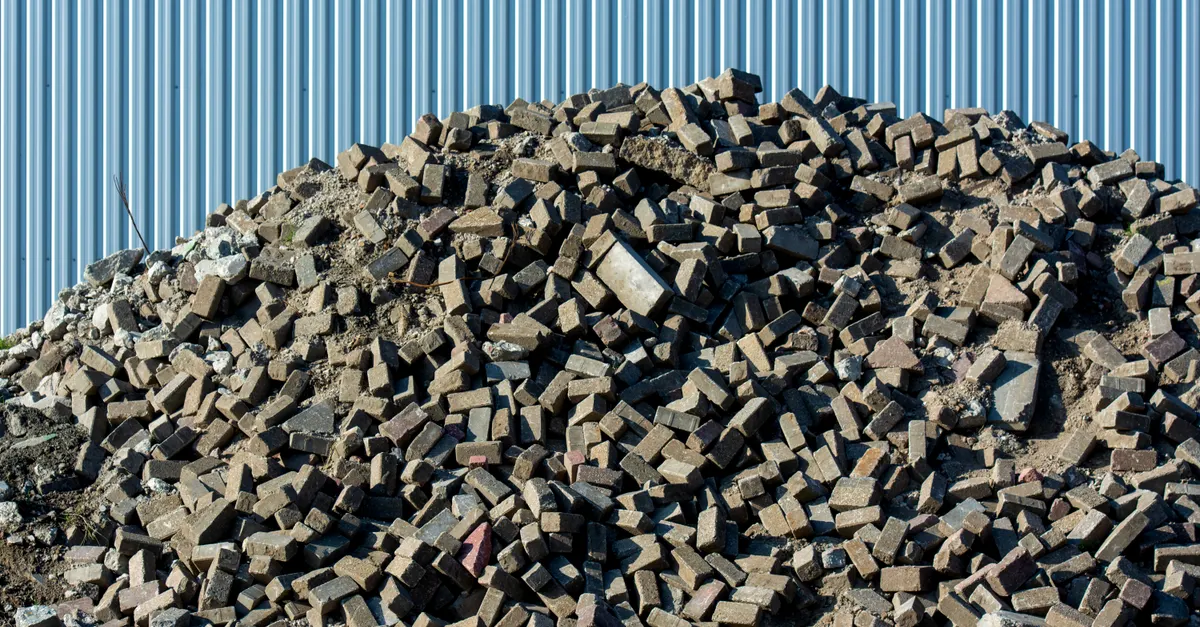
Recycled concrete is made by crushing and reusing concrete debris from demolished structures. This process not only helps in waste management but also conserves natural resources. With advancements in processing techniques, recycled concrete can achieve comparable strength to traditional concrete, provided there is proper quality control.
Pros
- Environmentally friendly by reducing landfill waste
- Conserves natural resources
- Can be cost-effective
- Reduces carbon footprint
Cons
- Strength can be variable
- Limited to non-load-bearing applications
- Requires careful processing and quality control
Traditional Concrete
Traditional concrete is a well-established construction material known for its strength and durability. It is composed of cement, water, and aggregates. While it offers consistent performance, its production is energy-intensive and contributes significantly to carbon emissions.
Pros
- Reliable and consistent strength
- Wide range of applications
- Proven durability over time
Cons
- High environmental impact
- Resource-intensive production
- Higher cost in some regions
Head-to-Head Comparison
When comparing recycled concrete to traditional concrete, several factors come into play. In terms of performance, recycled concrete can be as strong as traditional concrete with proper processing. However, its strength can vary depending on the source material and processing quality. Traditional concrete, on the other hand, offers consistent strength and is suitable for a wide range of applications, including structural uses.
From an environmental perspective, recycled concrete is the clear winner. It helps in reducing waste and conserving resources, whereas traditional concrete has a higher carbon footprint due to its energy-intensive production process. In terms of cost, recycled concrete can be more economical, especially when local sources of recycled aggregates are available. However, the cost can vary based on processing requirements and transportation.
For durability, both types can perform well, but recycled concrete requires stringent quality control to ensure it matches the durability of traditional concrete. Ultimately, the choice between the two depends on the specific needs of the project and the environmental priorities of the stakeholders involved.
Which One Should You Choose?
If your project prioritizes environmental sustainability and cost savings, recycled concrete might be the better option, especially for non-load-bearing applications. It’s ideal for projects where reducing carbon footprint is a key concern. On the other hand, if your project demands consistent strength and durability for structural applications, traditional concrete remains the go-to choice. Consider the availability of materials, the specific requirements of your project, and your environmental goals when making a decision.
In terms of cost analysis, recycled concrete can offer significant savings over traditional concrete, particularly in regions where demolition waste is abundant and transportation costs are minimized. The cost-effectiveness of recycled concrete is largely dependent on the proximity of recycling facilities and the availability of quality recycled aggregates. According to industry experts, using recycled concrete can reduce material costs by up to 20% in some cases, making it an attractive option for budget-conscious projects. However, it’s important to consider that initial processing and quality control measures might incur additional expenses, which could offset some of the savings.
Recycled concrete is commonly used in applications such as road sub-bases, drainage structures, and non-structural elements, where its variable strength is less of a concern. Its use is particularly advantageous in urban areas where construction waste is prevalent, and transportation of traditional aggregates is costly. Additionally, recycled concrete is gaining traction in innovative applications such as eco-friendly pavements and green infrastructure projects, where sustainability is a key priority.
Despite its benefits, recycled concrete does have limitations. Its variable strength means it is not typically used for load-bearing structures without thorough testing and quality assurance. Additionally, the presence of contaminants such as metals or chemicals in the recycled material can pose challenges during processing, requiring advanced sorting and cleaning techniques. These factors necessitate careful planning and execution to ensure that recycled concrete meets the necessary performance standards for its intended use.
Ultimately, the decision to use recycled concrete versus traditional concrete should be guided by the specific requirements of the project, including structural needs, environmental goals, and budget constraints. As the construction industry continues to evolve, the role of recycled concrete is likely to expand, driven by advancements in processing technologies and a growing emphasis on sustainable building practices.
Frequently Asked Questions
What are the strength differences between recycled and traditional concrete?
Recycled concrete can achieve comparable strength to traditional concrete with proper processing and quality control, although its strength can be variable.
How does the environmental impact of recycled concrete compare to traditional concrete?
Recycled concrete is more environmentally friendly as it reduces landfill waste and conserves natural resources, whereas traditional concrete has a higher carbon footprint.
What are the cost implications of using recycled concrete?
Recycled concrete can be more cost-effective, particularly when local sources are available, but costs can vary based on processing and transportation needs.
What are the common applications for recycled concrete?
Recycled concrete is often used in non-load-bearing applications, such as base layers or roadbeds, due to its variable strength.
What are the limitations or disadvantages of using recycled concrete?
Limitations include variable strength, limited application in load-bearing structures, and the need for careful processing and quality control.