
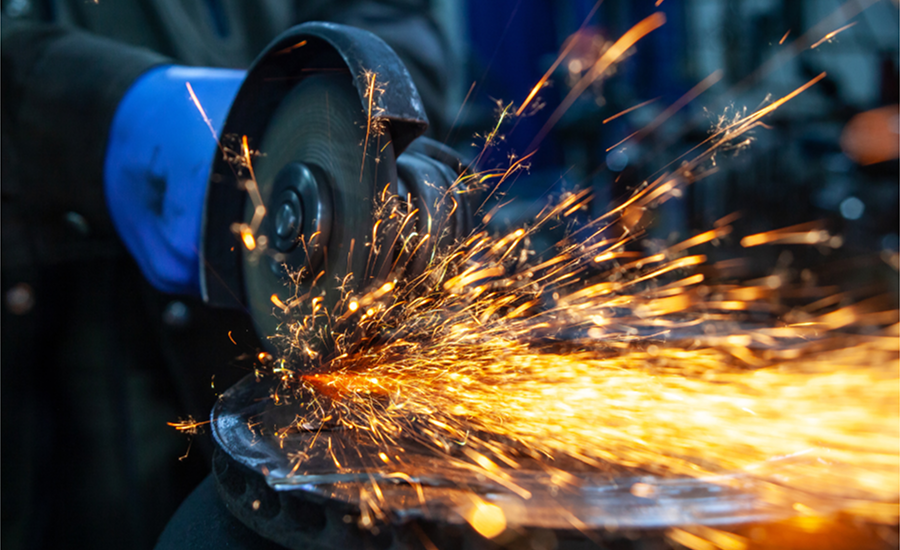
As the demand for sustainable manufacturing grows, fabricators and metalworkers are seeking ways to reduce environmental impact without compromising quality. One of the most effective strategies is the adoption of non toxic welding materials. These alternatives help minimize hazardous emissions, protect worker health, and support eco-friendly production processes. Whether you operate a large fabrication facility or manage a small workshop, understanding the options and benefits of safer welding consumables is essential for responsible and forward-thinking fabrication.
Alongside material selection, considering process improvements and related best practices—such as those discussed in stamping press vibration control tips—can further enhance both workplace safety and product precision.
Why Choose Safer Welding Consumables?
Traditional welding often involves materials and processes that emit toxic fumes, heavy metals, and other pollutants. These substances can pose risks to both workers and the environment. By switching to non toxic welding materials, fabricators can:
- Reduce exposure to hazardous chemicals and fumes
- Lower the risk of respiratory and skin-related health issues
- Comply with stricter environmental and occupational safety regulations
- Enhance the sustainability profile of their operations
- Improve air quality within the workshop and surrounding areas
Types of Eco-Conscious Welding Materials
There are several categories of safer welding consumables available today. Each offers unique advantages for specific applications while supporting a greener approach to fabrication.
Low-Emission Welding Rods and Wires
Many manufacturers now produce welding rods and wires that are free from hazardous coatings and contain minimal levels of heavy metals like lead, cadmium, and chromium. These products are designed to generate fewer fumes and particulates during welding, making them a top choice for those prioritizing air quality and worker safety.
Lead-Free Solders and Fluxes
In applications like electronics, plumbing, and fine metalwork, lead-free solders are now the standard. These alternatives use tin, silver, copper, or bismuth alloys, which significantly reduce the release of toxic substances. Similarly, modern fluxes are formulated without rosin or other chemicals that can emit harmful vapors when heated.
Water-Based and Organic Welding Fluxes
Traditional fluxes often contain petroleum-based solvents and synthetic resins. Water-based and organic fluxes, on the other hand, rely on natural or biodegradable ingredients. These options help minimize volatile organic compound (VOC) emissions and reduce the risk of chemical burns or allergic reactions.
Green Shielding Gases and Alternatives
Shielding gases play a vital role in many welding processes, but some can contribute to greenhouse gas emissions or contain impurities that pose health risks. Eco-friendly alternatives include:
- Argon and Argon-CO2 Mixes: These are inert and produce minimal environmental impact when sourced and handled responsibly.
- Hydrogen-Enriched Gases: Used in controlled amounts, hydrogen can improve weld quality and reduce the need for other additives.
- Recycled or Purified Gases: Sourcing gases from suppliers that prioritize purification and recycling can further reduce the carbon footprint of welding operations.
Material Selection for Sustainable Fabrication
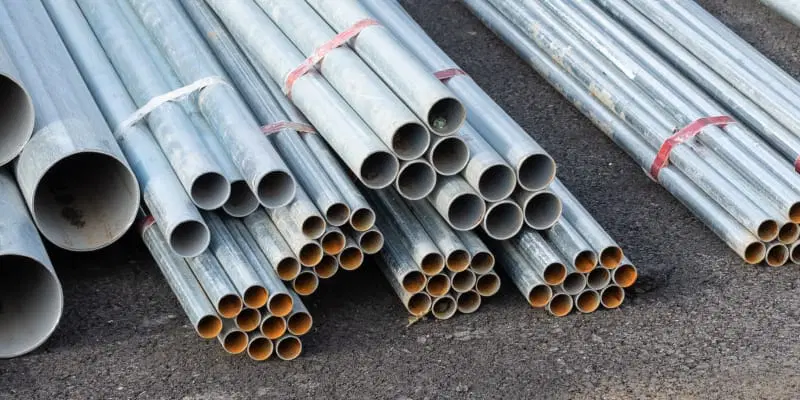
Choosing base metals and alloys that are recyclable, low in toxins, and responsibly sourced is another key aspect of sustainable fabrication. Stainless steel, aluminum, and certain grades of galvanized iron are popular choices due to their durability and recyclability.

When selecting materials, it is also important to consider surface finish requirements and standards, which can influence both the longevity and environmental impact of the finished product. For more insights, see the discussion on steel stamping surface finish requirements.
Best Practices for Implementing Safer Welding Solutions
Transitioning to non toxic welding materials is most effective when combined with a broader commitment to workplace safety and sustainability. Here are some practical steps to maximize the benefits:
- Regularly train staff on safe handling and disposal of welding consumables
- Invest in high-efficiency fume extraction and ventilation systems
- Monitor air quality and exposure levels in the workshop
- Source materials from reputable suppliers with transparent environmental policies
- Stay updated on evolving regulations and certifications for green manufacturing
For a deeper dive into sustainable metalworking, explore this comprehensive guide to sustainable metal fabrication solutions.
Challenges and Considerations in Adopting Eco-Friendly Welding
While the benefits of using safer welding materials are clear, there are practical challenges to consider. Some non-toxic consumables may have higher upfront costs or require adjustments to existing processes. Compatibility with legacy equipment, availability of specific alloys, and the need for additional training can also affect the transition.
However, many organizations find that the long-term advantages—such as improved worker health, reduced regulatory risk, and enhanced brand reputation—far outweigh the initial investment.
Frequently Asked Questions
What are the most common non-toxic alternatives for welding rods?
The most widely used alternatives include rods made without hazardous coatings and those that avoid heavy metals like lead and cadmium. Stainless steel and aluminum rods, as well as those designed for low-fume emission, are popular choices for safer welding.
Can eco-friendly welding materials impact weld quality?
When selected and applied correctly, safer consumables can deliver welds that meet or exceed traditional quality standards. It is important to match the material to the application and ensure proper technique to achieve optimal results.
Are there regulations requiring the use of non-toxic welding supplies?
Regulations vary by region and industry, but there is a growing trend toward stricter controls on hazardous substances in manufacturing. Many organizations adopt safer materials proactively to stay ahead of compliance requirements and demonstrate environmental responsibility.
How can I verify if a welding material is truly non-toxic?
Look for certifications such as RoHS (Restriction of Hazardous Substances) or documentation from suppliers detailing the absence of specific toxins. Reputable manufacturers are transparent about the composition and safety of their products.
Embracing non toxic welding materials is a practical step toward a safer, more sustainable future in metal fabrication. By making informed choices and staying current with best practices, fabricators can protect both their teams and the environment while maintaining high standards of quality and performance.