
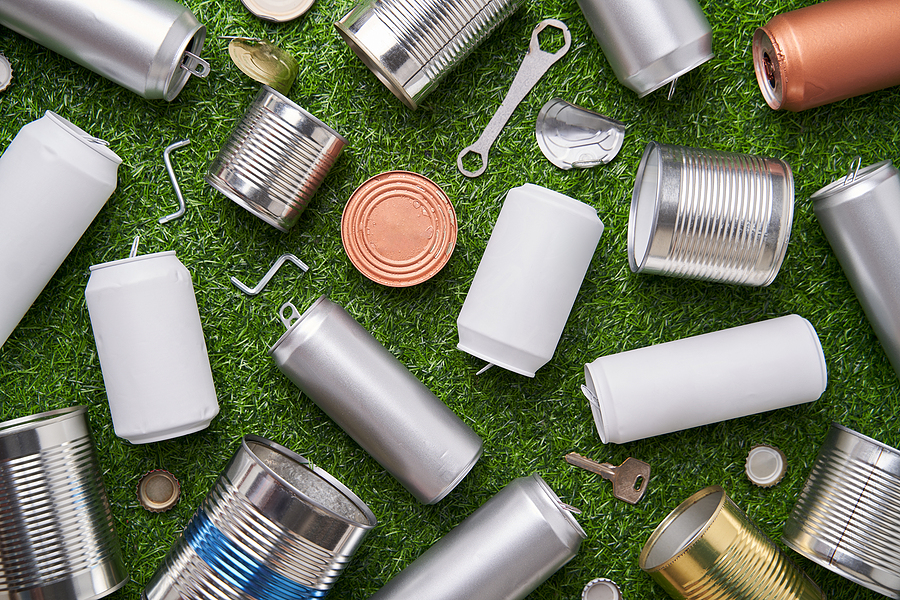
The world’s demand for metals continues to grow, but so does the importance of sustainable resource management. Recycling metals is one of the most effective ways to conserve natural resources, reduce energy consumption, and minimize environmental impact. Some materials are especially notable for their exceptional rates of reuse and recovery. Understanding which metals are most frequently recycled, and why, can help businesses, policymakers, and individuals make informed decisions that support a circular economy.
In this guide, we’ll explore the metals with highest recycling rates around the world, examine the factors that make them so recyclable, and highlight the environmental and economic benefits of prioritizing their recovery. For those interested in the broader impact, learning about how metal recycling reduces landfill waste offers valuable context on why these efforts matter.
Why Some Metals Lead in Global Recycling
Not all metals are recycled at the same rate. Several factors influence the likelihood of a metal being recovered and reused, including its economic value, ease of collection and processing, and the infrastructure available for recycling. The most commonly recycled metals tend to be those that are widely used in industry and consumer products, have a high residual value, and can be processed efficiently.
The environmental benefits of recycling these materials are significant. Reprocessing scrap metal typically uses far less energy than extracting and refining virgin ore. This reduction in energy consumption leads to lower greenhouse gas emissions and less strain on natural resources.
Steel: The Most Recycled Metal Worldwide
Among all materials, steel stands out as the most recycled metal globally. Its widespread use in construction, transportation, packaging, and appliances means that vast quantities enter the recycling stream each year. According to industry estimates, more than 80% of all steel produced is recycled at the end of its life cycle.
The reasons for steel’s high recycling rate are clear:
- It is magnetic, making it easy to separate from mixed waste streams.
- Steel can be recycled repeatedly without losing its properties.
- The infrastructure for collecting and processing steel scrap is well established in most countries.
Recycled steel is used in everything from new cars to bridges and household products, demonstrating the material’s versatility and sustainability.
Aluminum: Lightweight and Exceptionally Recyclable
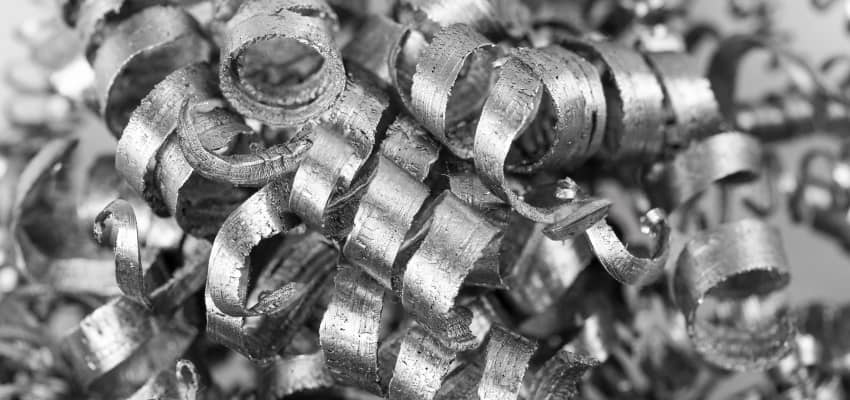
Aluminum is another leader among metals with highest recycling rates. Its unique properties—lightweight, corrosion-resistant, and infinitely recyclable—make it a favorite in packaging, automotive, and construction industries. Globally, it’s estimated that over 75% of all aluminum ever produced is still in use today, thanks to extensive recycling.
Recycling aluminum saves up to 95% of the energy required to produce new aluminum from raw ore. This dramatic energy savings, combined with the metal’s high value, ensures that aluminum scrap is rarely wasted. Beverage cans, window frames, and car parts are among the most commonly recycled aluminum products.
Copper: High Value Drives Strong Recovery
Copper is prized for its electrical conductivity and is widely used in wiring, plumbing, and electronics. Its relatively high market price makes it economically attractive to recover and recycle. As a result, copper boasts one of the highest recycling rates among non-ferrous metals, with some estimates suggesting that more than 60% of copper used today comes from recycled sources.
The recycling process for copper is straightforward, and the metal retains its quality through multiple cycles. This makes it a cornerstone of sustainable manufacturing, especially in sectors where electrical efficiency is critical.
Other Notable Metals with High Reuse Rates
While steel, aluminum, and copper are the most prominent, several other metals also achieve impressive recycling rates:
- Lead: Used primarily in batteries, lead is recycled at rates exceeding 85% in many regions. Strict regulations and the hazardous nature of lead drive robust collection and recovery systems.
- Zinc: Often recovered from galvanized steel and used in construction, zinc recycling helps conserve resources and reduce emissions.
- Nickel: Commonly found in stainless steel and batteries, nickel is increasingly recycled as demand for electric vehicles and renewable energy storage grows.
How Metal Recycling Supports a Circular Economy
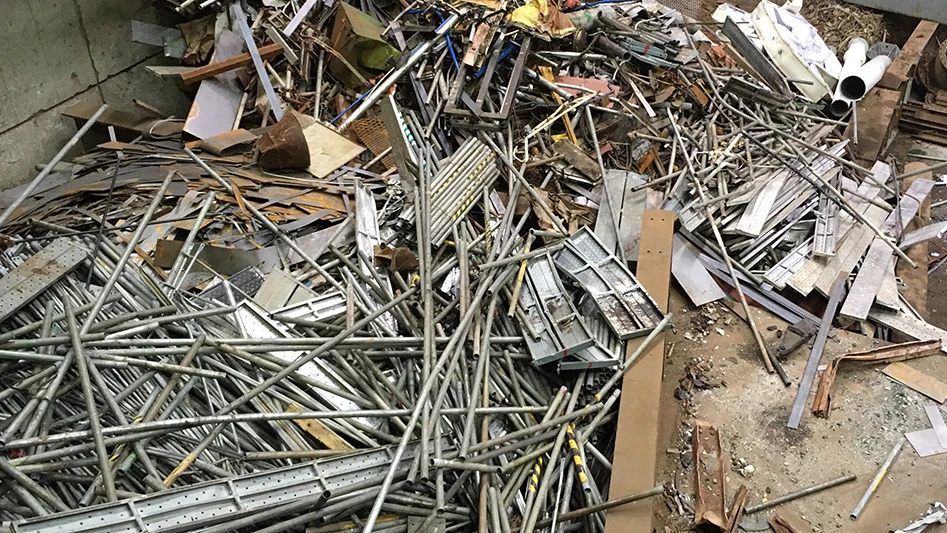
The high recovery rates of certain metals are a testament to the effectiveness of modern recycling systems. By keeping valuable materials in use and out of landfills, recycling supports a more sustainable, circular economy. This approach not only conserves finite resources but also reduces the environmental impact of mining and manufacturing.
For industries like construction, the benefits of using recycled metals are substantial. To learn more about the specific advantages in this sector, see the article on metal recycling in construction industry.
Challenges and Opportunities in Metal Recovery
Despite the impressive rates for some materials, not all metals are recycled as efficiently. Factors such as product design, collection systems, and economic incentives play a role in determining whether a metal is recovered or lost to waste. For example, metals embedded in complex electronics or mixed materials can be difficult to extract.
Advances in technology and policy are helping to address these challenges. Improved sorting, better product labeling, and stronger regulations are making it easier to recover valuable metals from a wider range of products. For a deeper look at how metals are recovered from electronic waste, see the guide on how electronic waste metals are recovered.
Environmental and Economic Benefits of Metal Recycling
The positive impact of recycling extends beyond resource conservation. By reducing the need for raw material extraction, recycling helps lower greenhouse gas emissions, decrease water and air pollution, and minimize habitat disruption. Economically, the recycling industry creates jobs and supports local economies.
According to a comprehensive analysis of global metal recycling trends, the continued growth of recycling infrastructure is essential for meeting future resource needs and environmental goals.
Frequently Asked Questions
Which metal is recycled the most worldwide?
Steel holds the top spot as the most recycled metal globally, thanks to its widespread use, magnetic properties, and well-developed recycling infrastructure.
Why is aluminum recycling so important?
Aluminum recycling saves up to 95% of the energy required to produce new aluminum, significantly reducing environmental impact and ensuring that the majority of aluminum produced remains in circulation.
Can all metals be recycled indefinitely?
Most metals, including steel, aluminum, and copper, can be recycled multiple times without losing their essential properties. However, some metals may degrade slightly with each cycle, depending on the recycling process and end use.
What role do foundries play in metal recycling?
Foundries are crucial in the recycling process, as they melt down scrap metal and purify it for reuse in new products. For more details, see the article on the role of foundries in recycling.