
The field of metal recycling technologies has seen rapid advancements in recent years, driven by the need for greater efficiency, sustainability, and resource conservation. As industries and governments prioritize environmental responsibility, new methods and tools are emerging to make the process of reclaiming metals more effective and less wasteful. Understanding these innovations is essential for businesses, municipalities, and anyone interested in the future of sustainable manufacturing.
This article explores the most significant breakthroughs in metal recovery, from advanced sorting systems to eco-friendly processing techniques. Along the way, you’ll find practical insights into how these developments are shaping the industry and what they mean for both producers and consumers. For those interested in the broader impacts, you may also want to learn about the impact of recycled metals on quality in manufacturing.
Emerging Trends in Metal Recovery Methods
The evolution of metal recycling technologies is marked by a shift towards automation, precision, and environmental stewardship. Traditional processes often relied on manual sorting and basic shredding, but today’s facilities are adopting high-tech solutions that improve both yield and purity.
- Automated Sorting Systems: Modern recycling centers use sophisticated sensors, such as X-ray fluorescence (XRF) and near-infrared (NIR) technology, to identify and separate different types of metals quickly and accurately. This reduces contamination and increases the value of recovered materials.
- Magnetic and Eddy Current Separators: These machines efficiently extract ferrous and non-ferrous metals from mixed waste streams, minimizing manual labor and maximizing throughput.
- Robotic Dismantling: Robotics are increasingly used to safely disassemble complex products like electronics and vehicles, recovering valuable metals with minimal human intervention.
These innovations not only enhance efficiency but also reduce the environmental footprint of recycling operations. For a deeper understanding of the environmental benefits, see how recycled metals reduce emissions and contribute to cleaner production cycles.
Green Processing Solutions in Metal Recycling
Environmental considerations are at the forefront of recent advancements. New processing techniques are designed to minimize energy use, reduce emissions, and limit the generation of hazardous byproducts.
- Low-Emission Smelting: Innovative furnaces now use advanced filtration and heat recovery systems, significantly cutting down on air pollution and energy consumption.
- Hydrometallurgical Extraction: This method uses aqueous solutions to extract metals from ores and scrap, offering a cleaner alternative to traditional pyrometallurgical processes. It is especially effective for recovering precious and rare metals from electronic waste.
- Closed-Loop Water Systems: Many facilities are adopting water recycling systems that capture, treat, and reuse process water, reducing both consumption and wastewater discharge.
These eco-friendly practices are not only good for the planet but also help companies comply with increasingly strict environmental regulations. They also support the principles of the circular economy, where resources are kept in use for as long as possible.
Digitalization and Data-Driven Recycling Operations
The integration of digital technologies is transforming how recycling operations are managed and optimized. Data analytics, IoT sensors, and cloud-based platforms are now central to modern metal recovery facilities.
- Real-Time Monitoring: Sensors track equipment performance, material flow, and environmental metrics, enabling operators to make informed decisions and quickly address issues.
- Predictive Maintenance: By analyzing data from machinery, facilities can anticipate maintenance needs, reducing downtime and extending equipment life.
- Supply Chain Transparency: Digital records help track the origin, composition, and movement of recycled metals, building trust with customers and regulators.
These digital tools not only improve operational efficiency but also support compliance and reporting requirements. They are especially valuable for companies aiming to demonstrate their commitment to sustainability and responsible sourcing.
Innovative Equipment and Machinery for Metal Recycling
Advances in machinery are making it easier to process a wider range of scrap materials, including complex alloys and composites. New equipment is designed for flexibility, safety, and high throughput.
- Multi-Material Shredders: Modern shredders can handle everything from aluminum cans to large appliances, breaking them down into uniform pieces for further processing.
- Mobile Recycling Units: Portable machines allow for on-site processing at construction sites, demolition projects, or remote locations, reducing transportation costs and emissions.
- Precision Shears and Balers: These tools cut and compact scrap efficiently, preparing it for smelting or export.
For those interested in upgrading their operations, investing in the latest shredding equipment can significantly boost productivity. To explore options, consider the Buy Metal Shredding Machine button provided after the images above.
Types of Metals and Their Recyclability
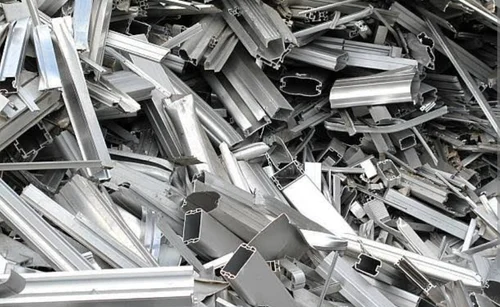
Not all metals are created equal when it comes to recycling. Some, like aluminum and copper, are highly valuable and can be recycled indefinitely without losing quality. Others, such as certain alloys, require specialized processes to reclaim.
To learn more about which metals are most suitable for recycling and the specific processes involved, visit this comprehensive guide to recyclable metals.
The ability to efficiently process a wide variety of metals is a testament to the progress made in this sector. These improvements also contribute to significant energy savings from metal recycling, further enhancing the environmental and economic benefits.
Benefits for Manufacturers and the Environment
The adoption of advanced metal recycling technologies delivers clear advantages for both industry and the planet. Manufacturers benefit from a reliable supply of high-quality recycled materials, often at a lower cost than virgin metals. This helps reduce dependence on mining and lowers production expenses.
Environmentally, these innovations cut greenhouse gas emissions, conserve natural resources, and reduce landfill waste. Companies that embrace modern recycling practices also enhance their reputation and meet the expectations of eco-conscious consumers.
For more on why manufacturers are increasingly turning to recycled metals, see the article on why manufacturers use recycled metals in their production processes.
Frequently Asked Questions
What Are the Most Important Recent Advances in Metal Recycling?
Key developments include automated sorting systems, robotic dismantling, and the use of advanced sensors for precise material identification. These tools increase efficiency, reduce contamination, and enable the recovery of a broader range of metals.
How Do Modern Recycling Methods Benefit the Environment?
New processing techniques minimize energy use, reduce emissions, and limit waste. Closed-loop water systems and low-emission smelting are just a few examples of how the industry is becoming more sustainable.
Can All Types of Metal Be Recycled with New Technologies?
While most metals can be recycled, some require specialized equipment or processes. Advances in machinery and sorting technology have made it possible to reclaim even complex alloys and electronic components more efficiently than ever before.