
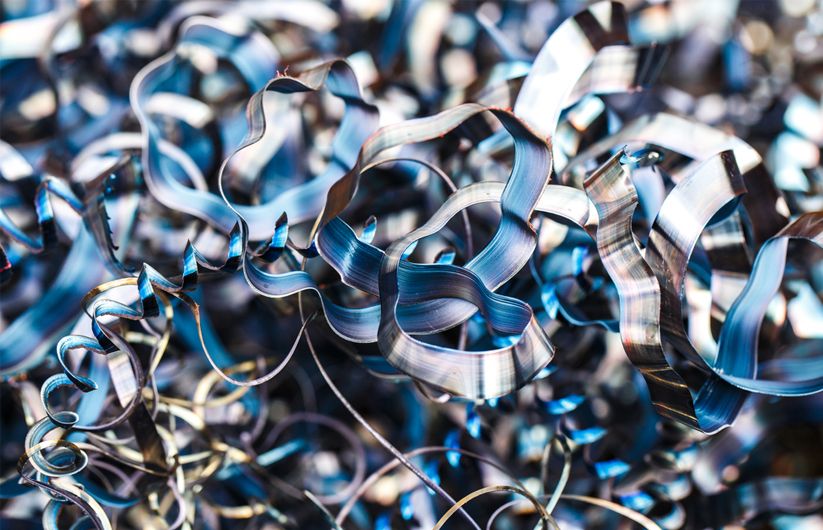
Understanding how metals are recycled is essential for anyone interested in sustainability, manufacturing, or waste management. The metal recycling process explained in detail reveals how valuable resources are recovered and reused, reducing environmental impact and supporting the circular economy. This guide walks through each stage, from collection to the creation of new products, highlighting the importance of proper sorting and modern technology in achieving efficient results.
For those curious about the broader context, learning what is recycled metal and its role in modern industry can provide valuable background before diving into the step-by-step process.
Why Metal Recycling Matters
Recycling metals conserves natural resources, saves energy, and reduces greenhouse gas emissions. Unlike many materials, metals can be recycled repeatedly without losing their properties. This makes them ideal candidates for sustainable manufacturing. The process not only diverts waste from landfills but also supports industries by providing a steady supply of raw materials.
The benefits of recycled metal extend beyond environmental gains, influencing economic and industrial growth as well.
Step-by-Step Overview of the Metal Recycling Process
To fully grasp how metals are transformed from discarded items to valuable resources, it’s helpful to break down the process into clear stages. Each step is crucial for ensuring quality and efficiency.
1. Collection and Transportation
The journey begins with the collection of scrap metal from various sources such as households, businesses, construction sites, and industrial facilities. Metals are gathered through curbside recycling programs, drop-off centers, or directly from manufacturers. Once collected, the materials are transported to recycling centers for further processing.
2. Sorting and Separation
At the recycling facility, metals are sorted by type and quality. This step is vital because different metals require different handling and processing techniques. Sorting can be done manually or with advanced machinery that uses magnets, sensors, and air classification systems to separate ferrous (iron-based) from non-ferrous metals like aluminum, copper, and brass.
For a deeper look at the various materials involved, see this overview of types of recyclable metals.
3. Processing and Shredding
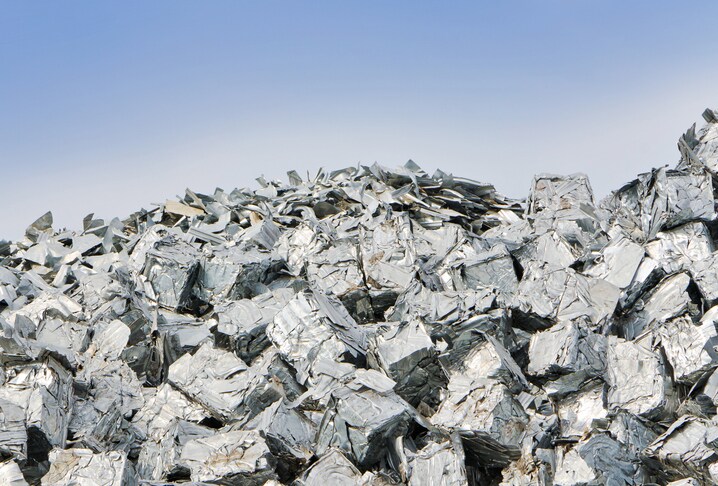
After sorting, metals are cleaned to remove impurities such as paint, plastics, or other contaminants. The cleaned metal is then fed into shredders or crushers to break it down into smaller, manageable pieces. Shredding increases the surface area, making the next steps more efficient and reducing energy consumption during melting.
4. Melting and Purification
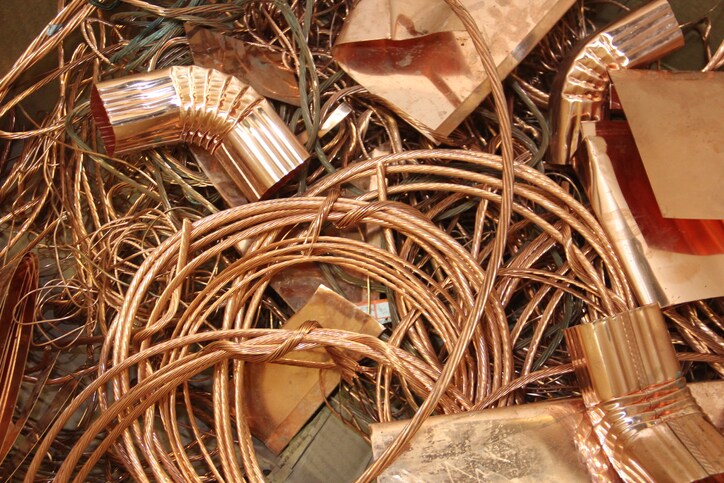
The shredded metal is loaded into a large furnace and melted at high temperatures. Different metals have specific melting points, so furnaces are adjusted accordingly. During this stage, impurities are removed through various purification techniques, such as electrolysis or the use of chemicals, ensuring the final product meets quality standards.
5. Solidification and Forming
Once purified, the molten metal is poured into molds or cast into specific shapes such as bars, sheets, or ingots. This solidification process prepares the metal for use in manufacturing new products. The resulting forms are easy to transport and handle, making them suitable for a wide range of applications.
6. Distribution and Manufacturing
The recycled metal is then shipped to manufacturers, where it is used to create new items—from car parts and appliances to construction materials and packaging. This final step closes the recycling loop, demonstrating how scrap can be transformed into valuable goods.
Key Techniques and Technologies in Modern Metal Recycling
Advances in technology have made the metal recycling process explained here more efficient and environmentally friendly. Automated sorting systems, high-capacity shredders, and energy-efficient furnaces all contribute to higher recovery rates and lower emissions. For a more technical breakdown of these innovations, see how metal recycling works.
Additionally, the use of sensors and AI-driven equipment helps facilities identify and separate metals with greater accuracy, reducing contamination and improving the quality of recycled materials.
Environmental and Economic Impact
Recycling metals significantly reduces the need for mining and raw material extraction, which are energy-intensive and often harmful to ecosystems. By reusing existing resources, the industry conserves water, reduces air pollution, and limits greenhouse gas emissions. Economically, recycling creates jobs and supports local economies, while providing manufacturers with cost-effective materials.
For more on the environmental and industrial advantages, explore the benefits of recycled metal in manufacturing and sustainability.
Commonly Recycled Metals and Their Uses
The most frequently recycled metals include steel, aluminum, copper, brass, and lead. Each has unique properties and applications:
- Steel: Used in construction, vehicles, and appliances.
- Aluminum: Found in cans, window frames, and aircraft parts.
- Copper: Essential for electrical wiring and plumbing.
- Brass: Common in fixtures, musical instruments, and decorative items.
- Lead: Recycled mainly from batteries and used in new battery production.
To learn more about the specific characteristics and recycling methods for each type, refer to this comprehensive guide to metal types and their recycling process.
Frequently Asked Questions
What metals can be recycled?
Most metals are recyclable, including steel, aluminum, copper, brass, and lead. Some specialty metals like titanium and nickel can also be processed, though they may require specialized facilities.
How does recycling metal help the environment?
Recycling metals conserves natural resources, reduces energy consumption, and minimizes pollution. It also lowers greenhouse gas emissions compared to producing new metals from ore.
Is recycled metal as strong as new metal?
Yes, recycled metals retain their original properties and strength. This makes them suitable for use in demanding applications, including construction and manufacturing.
How can I recycle metal at home?
Many communities offer curbside pickup or drop-off centers for metal items. Check local guidelines to ensure proper sorting and disposal, and consider separating ferrous and non-ferrous metals for easier processing.
Conclusion
The journey from scrap to new product involves several well-defined steps, each contributing to a more sustainable and resource-efficient world. By understanding the metal recycling process explained here, individuals and businesses can make informed decisions that support both the environment and the economy. Whether you’re looking to recycle at home or improve industrial practices, every effort helps close the loop and build a greener future.